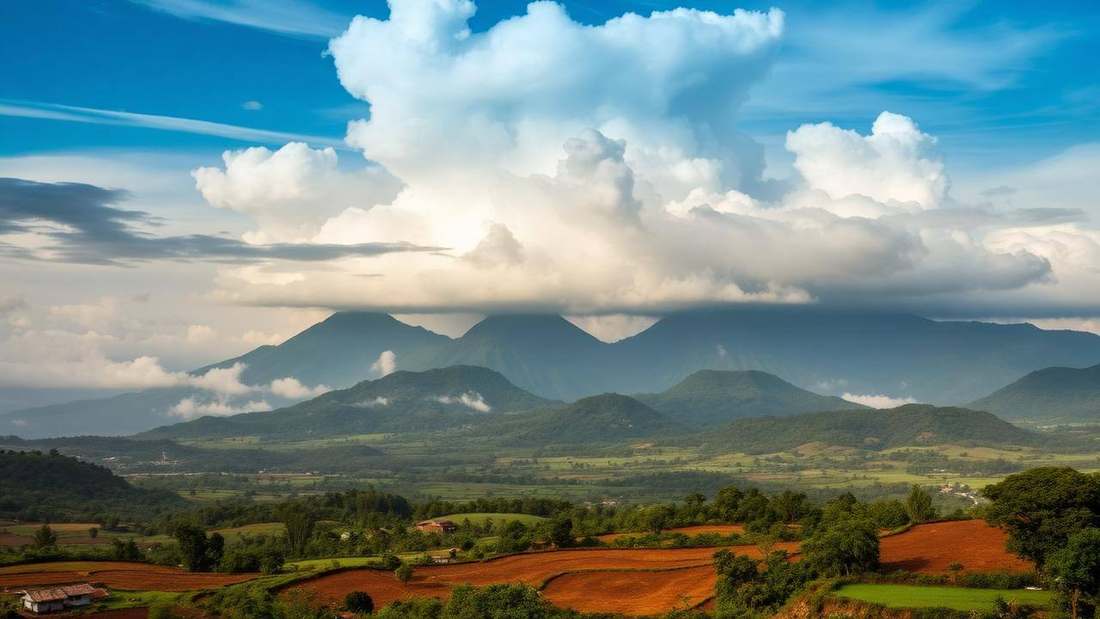
Musanze & the volcanoes
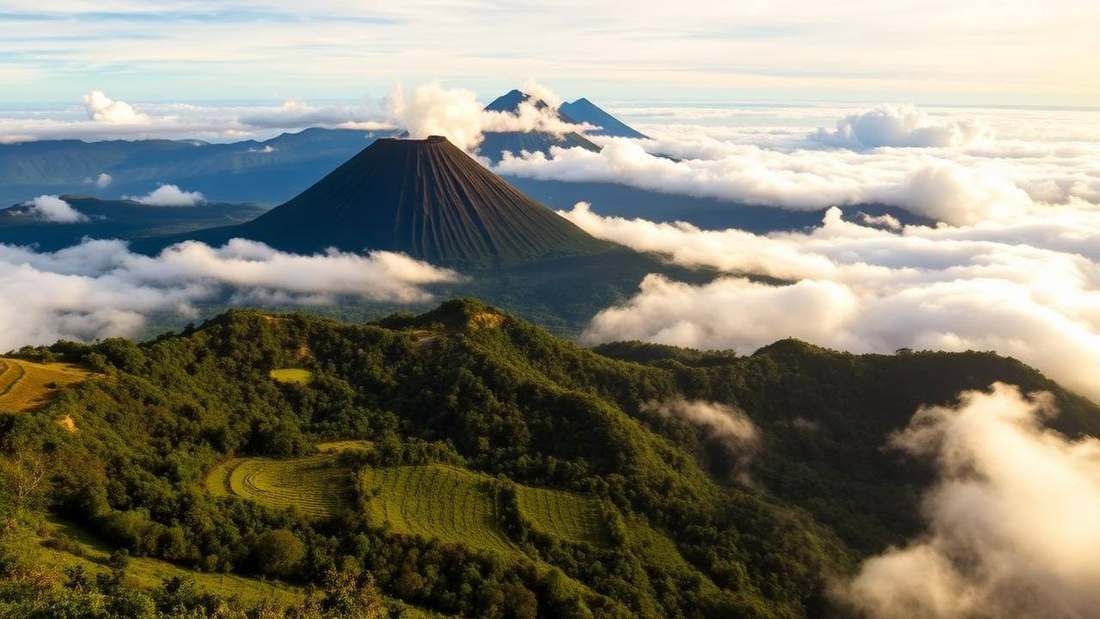
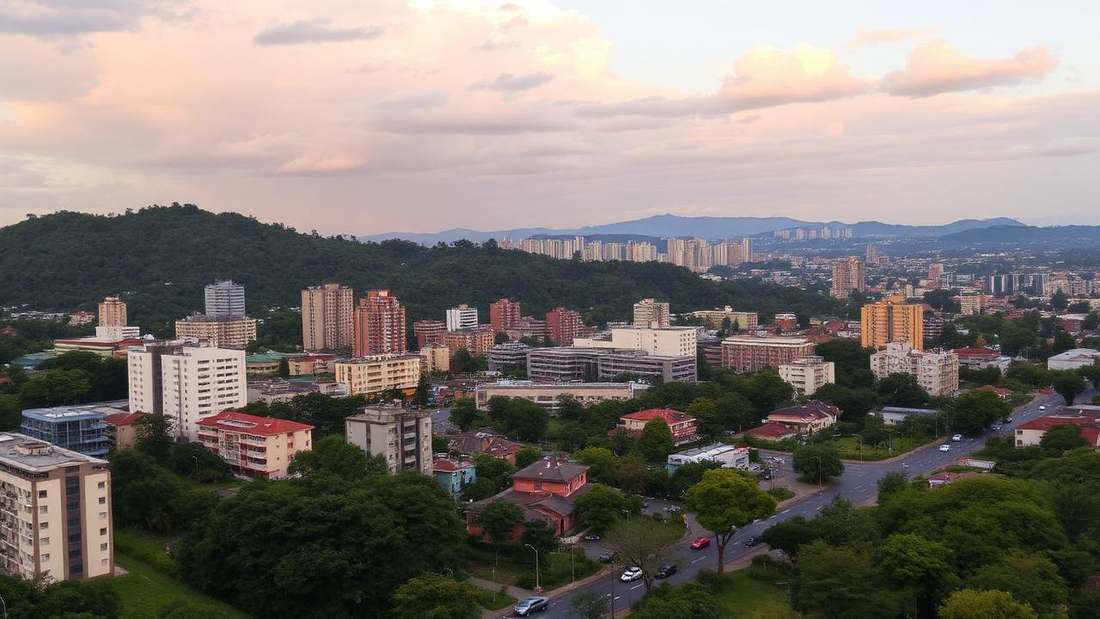
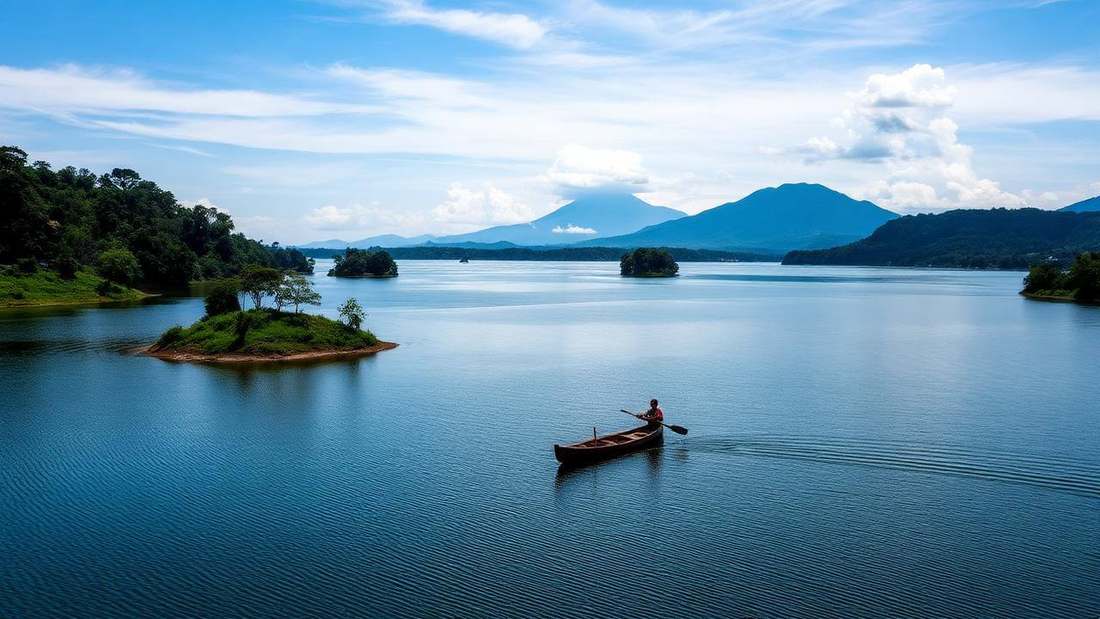
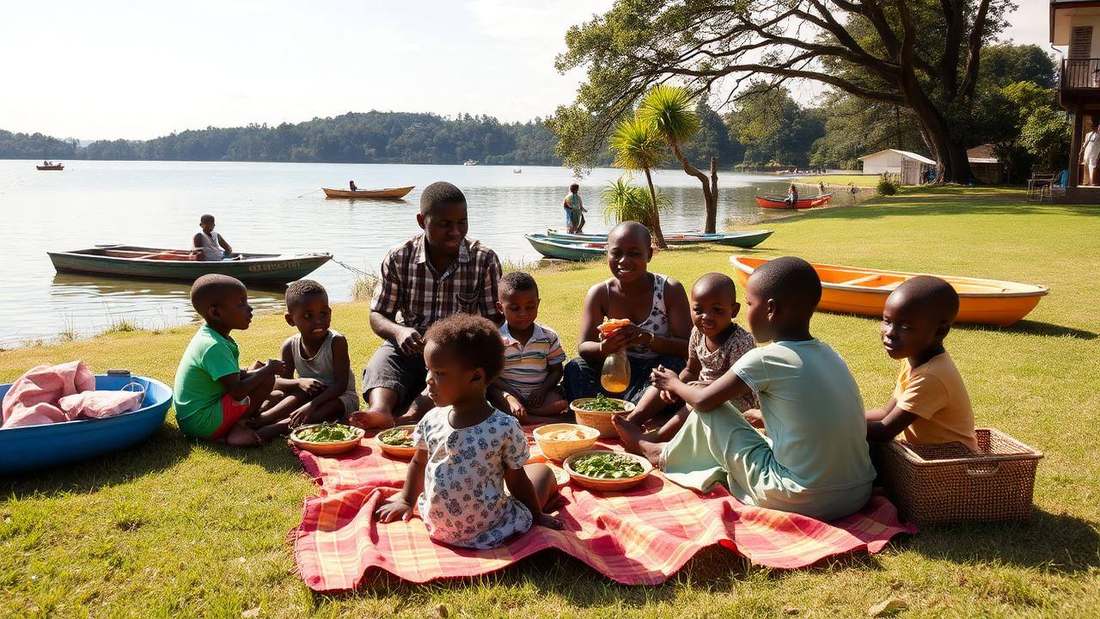
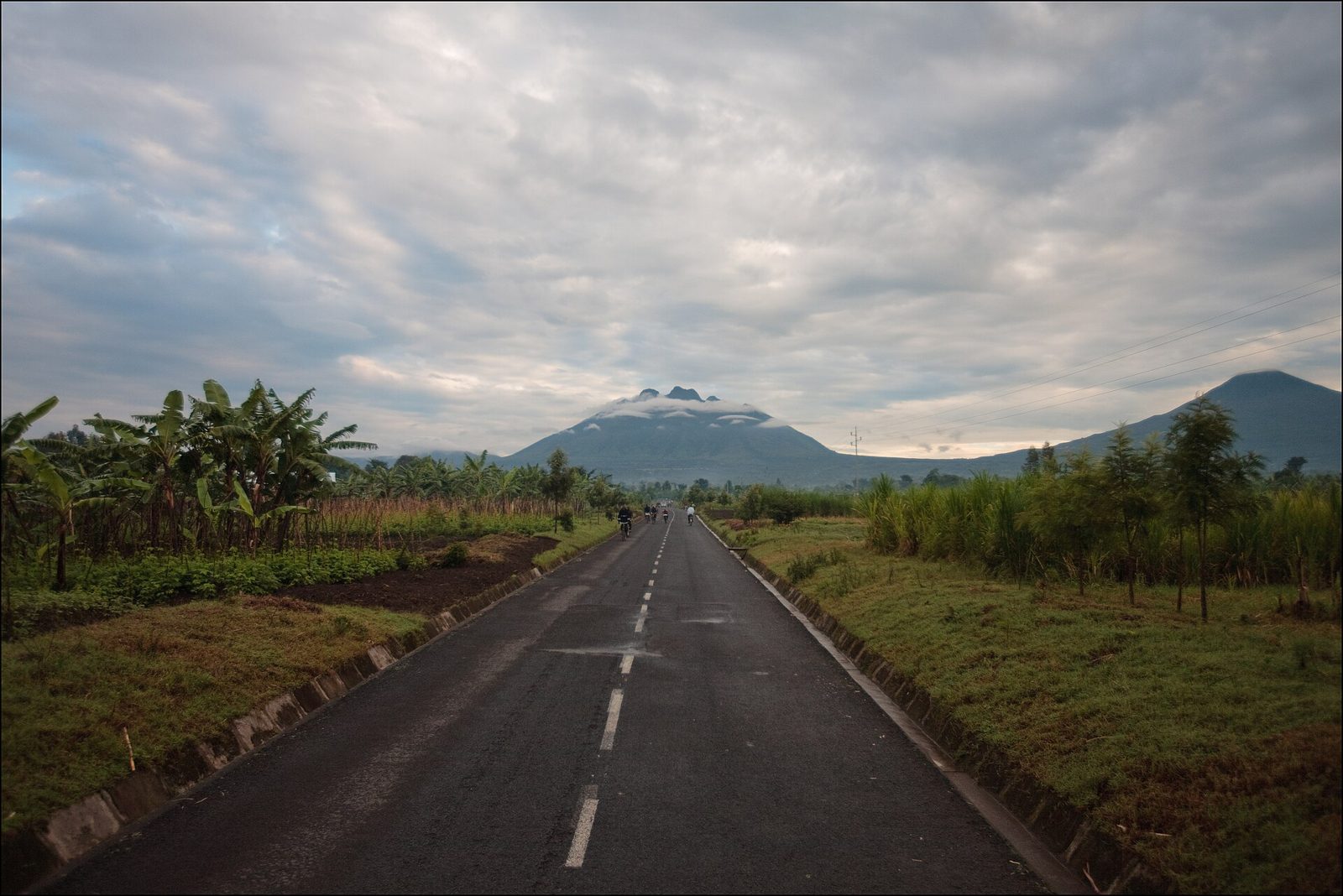
Base yourself in Musanze for Volcanoes National Park, gorilla trekking and the Twin Lakes. Explore the town guide for places to stay, local stops and onward travel.
Suggested stay: 2–4 days
Open full guideExplore Rwanda
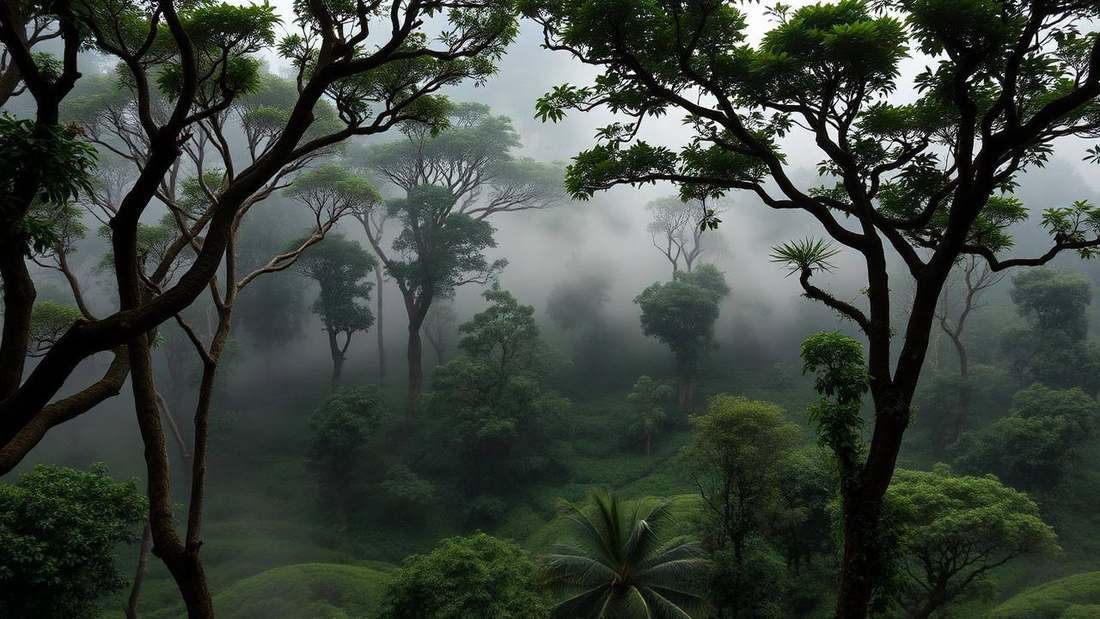
Rwanda is 26,000 km² — smaller than Belgium. Every region below is within half a day of Kigali, which is why a one-week trip can include volcanoes, savannah and a lake without feeling rushed.

Base yourself in Musanze for Volcanoes National Park, gorilla trekking and the Twin Lakes. Explore the town guide for places to stay, local stops and onward travel.
Suggested stay: 2–4 days
Open full guide
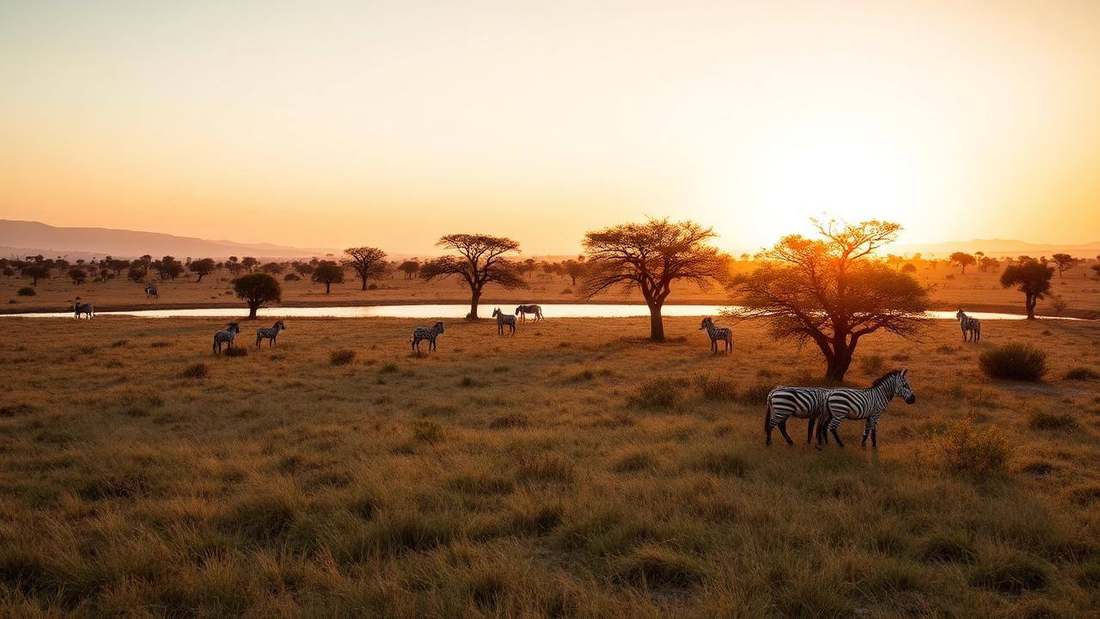
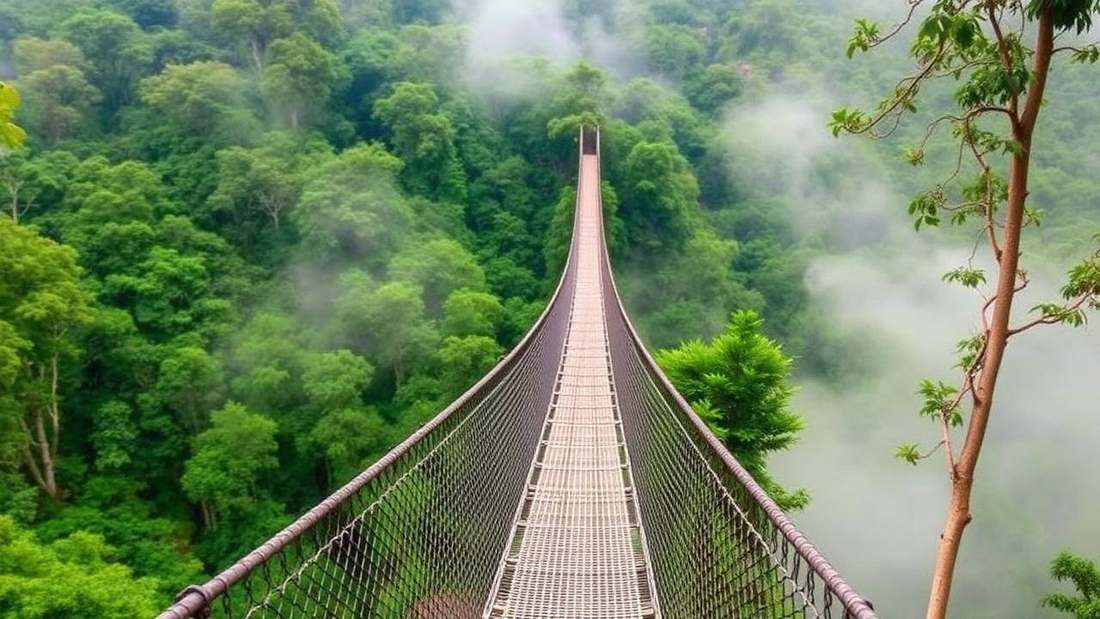
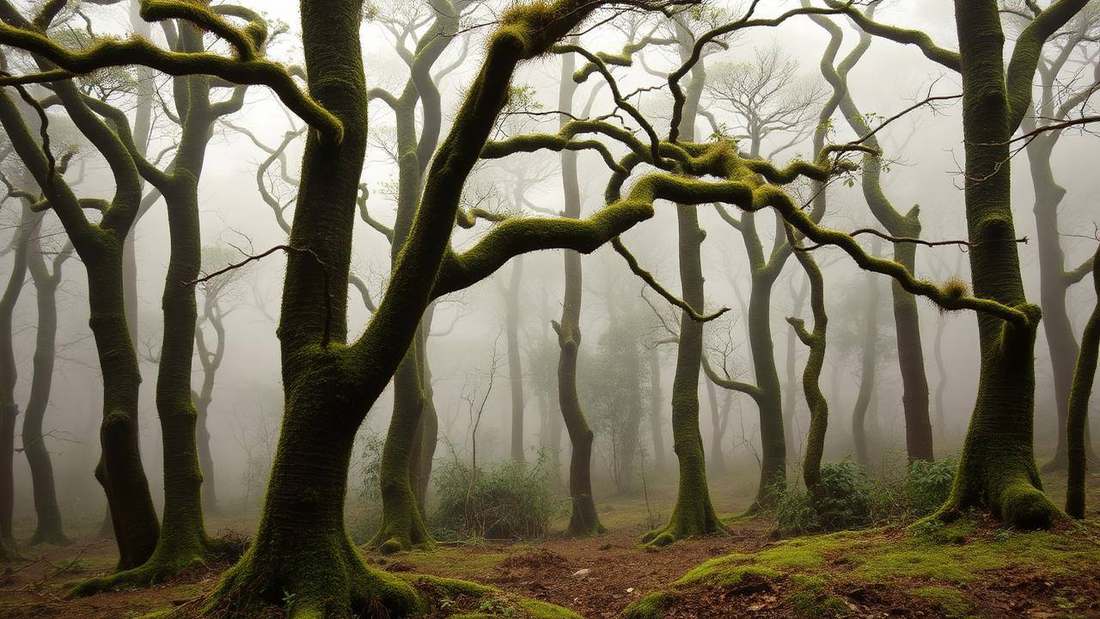
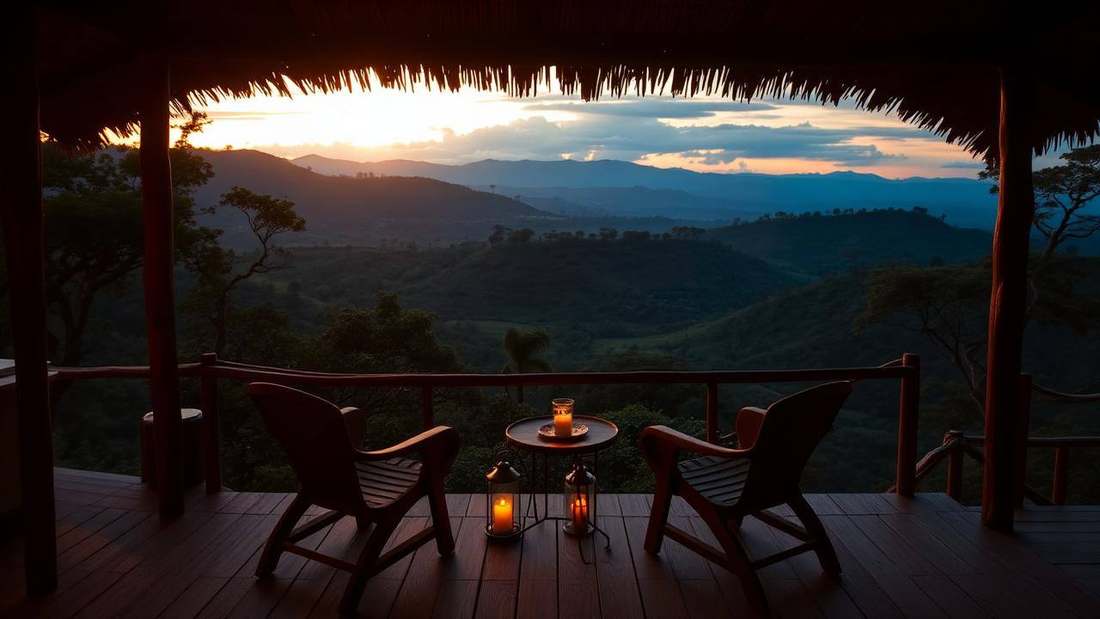
Plan chimpanzee tracking, the canopy walkway and forest trails around Nyungwe. Read the park guide for access, permits and practical advice before adding tea estates or Huye to your route.
Suggested stay: 2–3 days
Open full guide
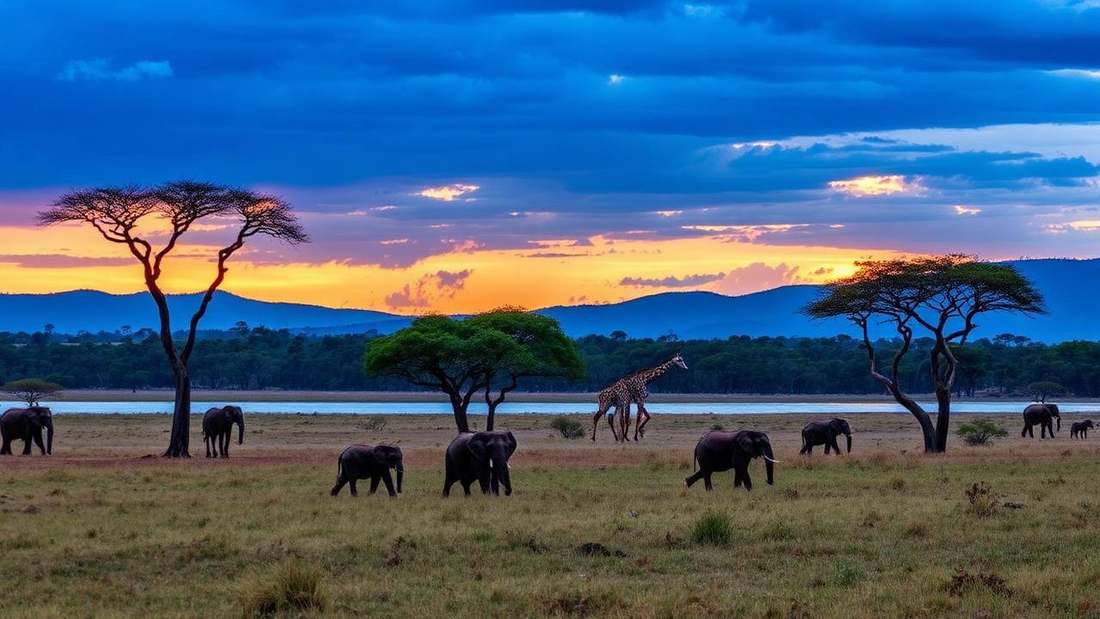
Build a savannah safari around Akagera’s game drives and lakes. Compare park activities, plan your journey from Kigali and check the guide’s practical advice before choosing your stay.
Suggested stay: 2 days
Open full guide
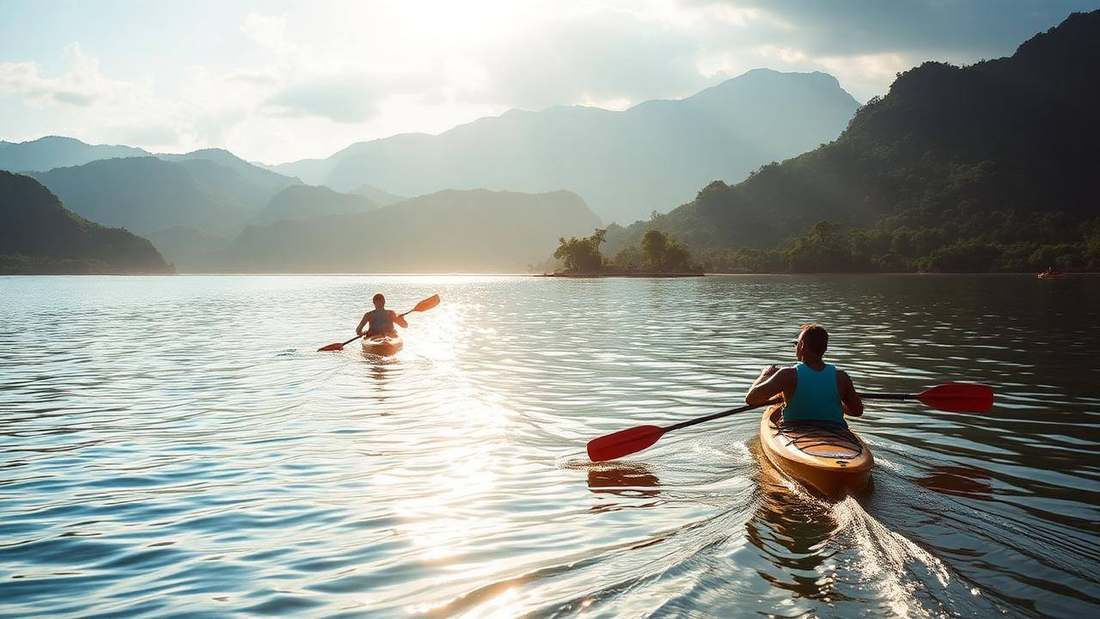
Start in Rubavu for lakeside relaxation, kayaking and the northern Congo Nile Trail. Explore places to stay, town highlights and travel connections in the destination guide.
Suggested stay: 2–3 days
Open full guideSmart trip planner
Tell us how long you have, what you care about and who you're travelling with. We'll shortlist the experiences that fit and suggest an itinerary to hang them on.
How long?
What interests you?
Who is travelling?
Gorilla trekking
Volcanoes National Park
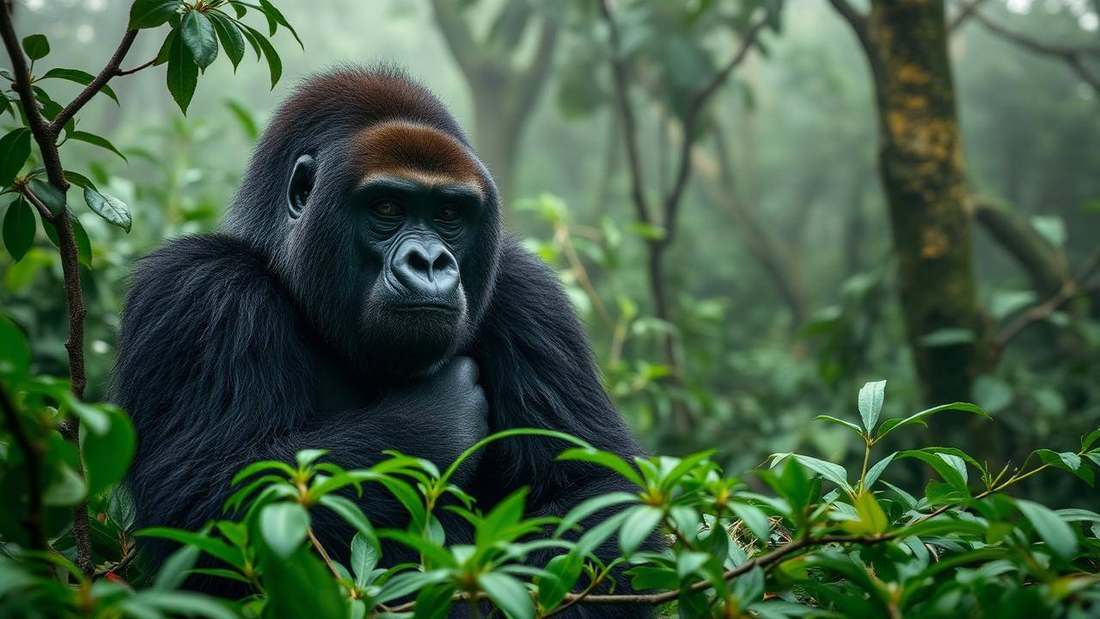
One permit-controlled hour with a habituated mountain gorilla family, after a hike of one to five hours.
Permit required
Big Five game drive
Akagera National Park
Lion, leopard, rhino, elephant and buffalo across savannah and papyrus lakes, three hours from Kigali.
Park fee + vehicle
Suggested shape
The classic week · 7 days
First-time visitors who want gorillas, city and lake
Send this to a local operatorEditor's picks
Three experiences that earn their place on almost every Rwanda itinerary, and why.

01
Nothing else in Rwandan tourism comes close. Groups are tiny, the encounter is close, and the permit money is the reason the population keeps growing. Most visitors describe the hour as the single most memorable of their trip — and the muddy climb up to it as part of the point.
Book the permit first, then build everything else around its date.

02
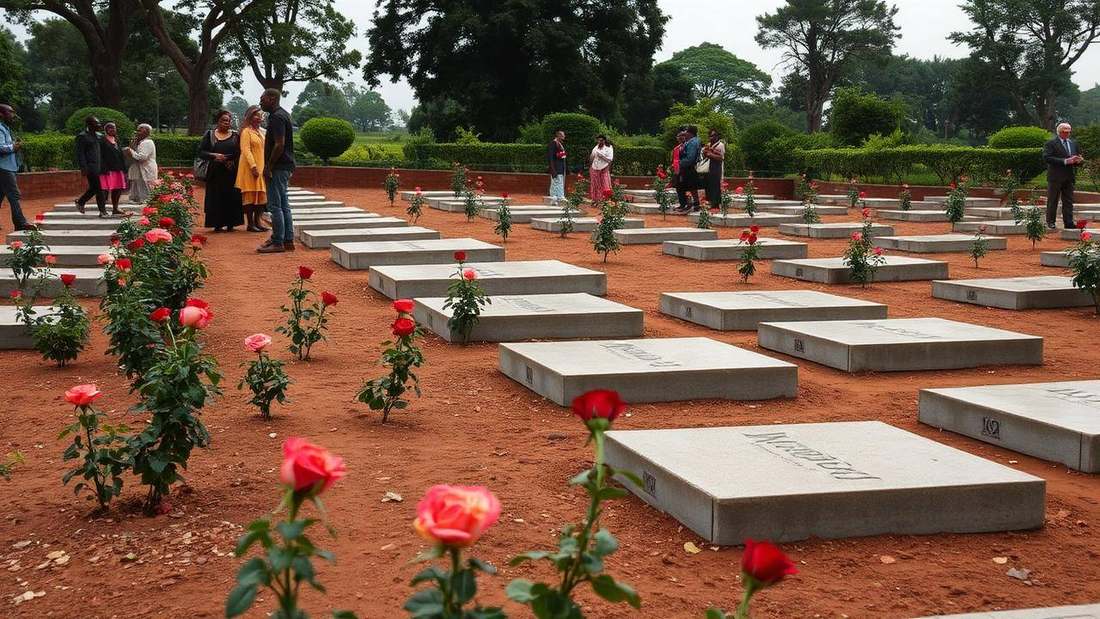
Rwanda does not hide its history, and no visit makes sense without it. The permanent exhibition is calm, rigorous and unsparing; the gardens outside give you the space to sit with it. Go early in your trip — everything you see afterwards reads differently.
Free entry, donations welcome. Allow three hours and nothing scheduled after.

03
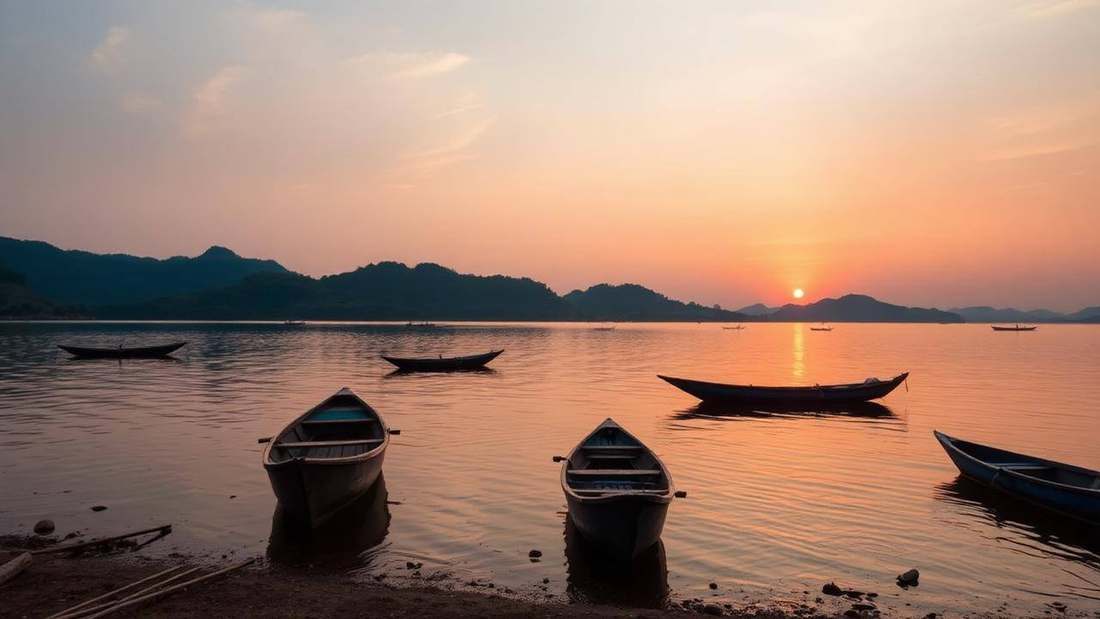
After the parks, Kivu is where a Rwanda trip exhales. Swim safely, take a boat out to meet the singing fishermen heading to their nets, eat grilled tilapia on a terrace, and watch the Congolese hills turn purple across the water.
Rubavu for buzz, Karongi for quiet, Kinunu for coffee farms.
Experiences
Four national parks, four completely different landscapes — rainforest, savannah, bamboo volcano slopes and a restored mountain forest.


01 — The capital
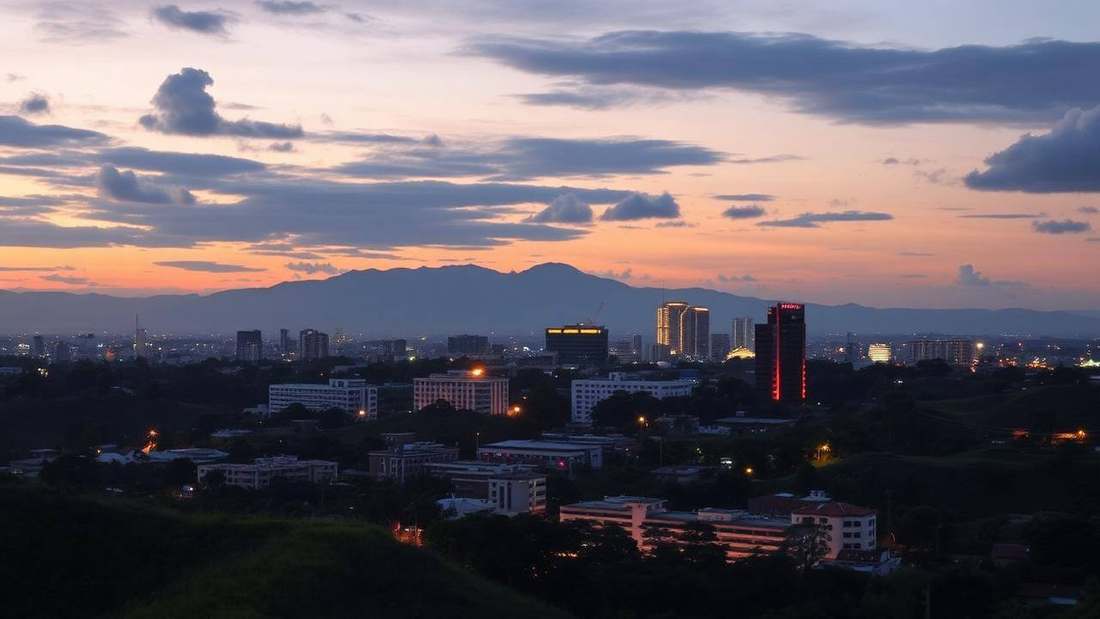
Most trips start and end here, and it deserves more than an airport transfer. Kigali spreads over several hills, each with its own character: Kimihurura for galleries and restaurants, Nyamirambo for the oldest and liveliest streets, Kacyiru for institutions, Kimironko for the market everyone sends you to.
The city is unusually safe to walk at night, motos are cheap and metered by app, and Sunday mornings are quiet because of umuganda, the monthly community work morning when traffic stops until midday.

02 — Get out on it
Rwanda's terrain does the work for you. Nothing here is flat, so even a half-day walk delivers a view worth the effort, and the adventure operators are small, licensed and used to mixed-ability groups.
Altitude matters more than distance: Bisoke tops out above 3,700 m and Karisimbi is an overnight climb. Build in an acclimatisation day if you are heading straight from the airport to a volcano.

03 — People and history
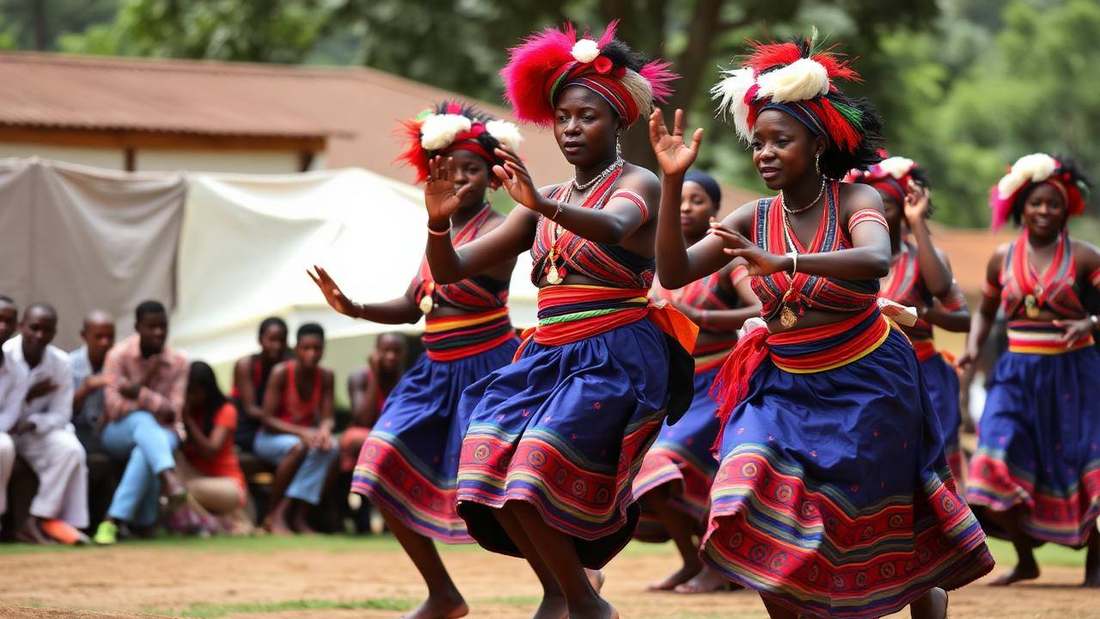
Rwandan culture is best met through cooperatives rather than staged shows. Associations of weavers, painters, potters and dancers host visitors directly, and the fee lands in the group's account rather than an intermediary's.
Heritage sites are compact and mostly in the south: the reconstructed King's Palace at Nyanza with its long-horned Inyambo cattle, the Ethnographic Museum in Huye, and the memorial sites at Nyamata and Murambi, which are demanding visits and best made with a guide.

04 — Eat and drink
Everyday Rwandan food is generous and starch-heavy: the lunchtime buffet, brochettes with grilled plantain, isombe of cassava leaves, and tilapia straight out of Kivu. Kigali adds Ethiopian, Indian, Chinese and a growing set of chefs cooking modern Rwandan menus.
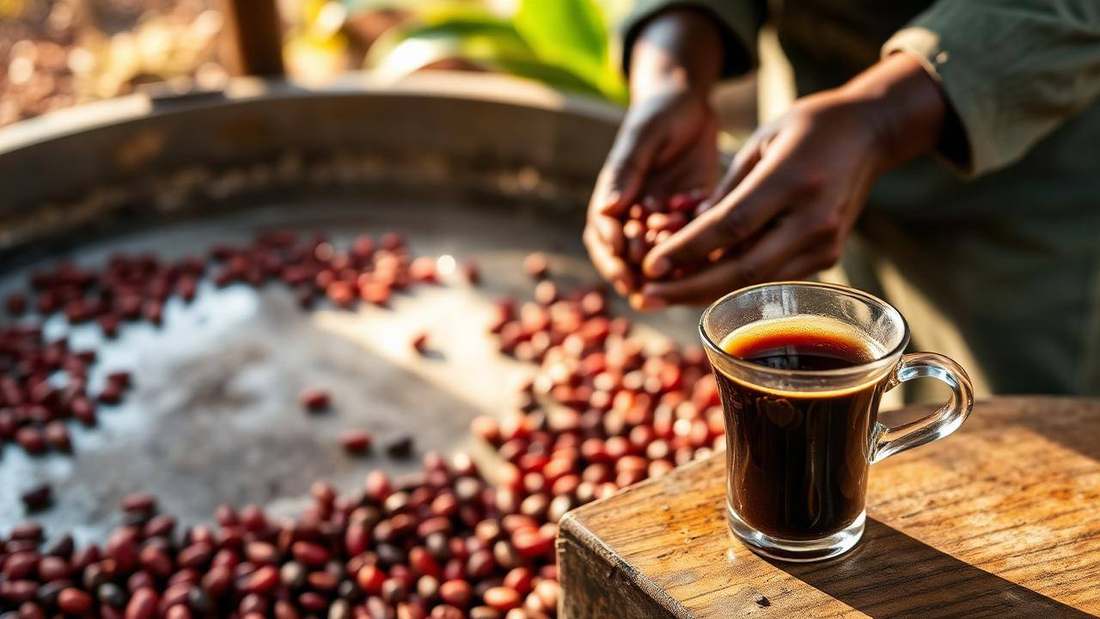
Coffee and tea are the real culinary story. Washing stations around Kivu and Huye run cupping sessions, and the tea estates near Nyungwe will walk you through the plucking line in an hour.

05 — Slow Rwanda
Beyond the parks, Rwanda's water and wetlands are where the pace drops. Lake Kivu is the headline, but Burera, Ruhondo, Muhazi and Mugesera all have quiet lodges, and the Rugezi and Akanyaru wetlands are serious birding country.
Birders come for the Albertine Rift endemics in Nyungwe, the shoebill in Akagera's papyrus and the grey crowned crane, Rwanda's national bird, which has recovered strongly from the pet trade.

06 — Travelling with children
Gorilla trekking has a minimum age of 15, so families usually build around Akagera, Kivu and Kigali instead. Distances are short, roads are good, and most lodges will arrange a car seat if you ask when booking.
For residents and diaspora visiting relatives, the weekend map is simple: Akagera or Muhazi to the east, Kivu to the west, Musanze to the north — all doable Friday evening to Sunday night.

07 — Two of you
Rwanda has quietly become a honeymoon destination, largely because the best lodges are small. A classic pairing is two nights of high-end forest lodge near Volcanoes, then three slow nights on Kivu or in Nyungwe's tea country.
Ask operators for private vehicle transfers rather than group shuttles; the price difference on a short Rwandan drive is smaller than you would expect and the days feel entirely different.

Suggested itineraries
Copy one wholesale or use it as a skeleton. Every version assumes you land and leave from Kigali.
3 days
Short business trips, layovers and regional visitors
Day 1
Kigali: memorial in the morning, Kimironko market and a Nyamirambo walking tour after lunch.
Day 2
Early transfer east to Akagera for an afternoon game drive and a boat safari on Lake Ihema.
Day 3
Dawn drive in the park, back to Kigali for coffee, art and a rooftop dinner before flying out.
7 days
First-time visitors who want gorillas, city and lake
Day 1
Arrive Kigali. Memorial and an easy first evening in Kimihurura.
Day 2
Drive north to Musanze. Afternoon at a weaving cooperative or the caves.
Day 3
Gorilla trek at dawn, recover in the afternoon.
Day 4
Golden monkeys or the Twin Lakes by canoe, then transfer to Lake Kivu.
Day 5
Kivu: boat trip, coffee washing station, swimming.
Day 6
A section of the Congo Nile Trail, or a slow day on the water.
Day 7
Return to Kigali via Nyandungu eco-park; late flight.
10–12 days
Travellers who want every landscape Rwanda has
Days 1–2
Kigali: memorial, markets, galleries and food.
Days 3–4
Akagera in the east — two nights, game drives and a boat safari.
Days 5–6
South to Huye and Nyanza for heritage, then into Nyungwe.
Days 7–8
Nyungwe: chimp tracking, canopy walkway and a tea estate.
Days 9–10
North along Lake Kivu, stopping at Karongi and Kinunu.
Days 11–12
Volcanoes National Park: gorilla trek, then back to Kigali.
Book it
The practical layer of a Rwanda trip. We don't sell any of it — we point you at licensed Rwandan providers in the directory.
Accommodation splits into three tiers, and the gap between them is wider in Rwanda than the price alone suggests.
Almost everything here can be arranged independently, but a licensed operator saves you the permit paperwork and the park-gate timings.
Rwanda is one of the easier African countries to drive: sealed main roads, clear signage and disciplined policing.
Standard policies are enough for a city trip, but the activities most people come for need checking line by line.
Tell us the dates, the party and what you want to see. We pass the enquiry to Rwandan operators in the directory.
Travel essentials
Visas, money, power, safety and the plastic-bag rule that catches out first-time visitors at the airport.
Mountain gorilla trekking in Volcanoes National Park, the Kigali Genocide Memorial, Big Five safaris in Akagera National Park, Nyungwe's rainforest and canopy walkway, and one of the safest, cleanest capital cities in Africa.
Three days covers Kigali plus one park. Seven days comfortably combines Volcanoes National Park, Kigali and Lake Kivu. Ten to twelve days allows a full loop including Nyungwe and Akagera without rushed drives.
Rwanda is a year-round destination. The long dry season from June to September and the short dry season from December to February make trekking easiest, while the wetter months bring lower prices and better chimpanzee tracking.
Yes. Rwanda consistently ranks among the safest countries in Africa for visitors, with low crime, visible policing and safe night-time streets in Kigali. Normal precautions with valuables still apply.
Most travellers can obtain a visa on arrival, and citizens of all African countries enter visa-free for 30 days. Confirm your category with the Directorate General of Immigration and Emigration before travelling.
Travel stories
ItinerariesEvery ready-made Rwanda route in one place — classic road trips, trips by length and trips by interest, filterable by region.
CitiesTwo and three-day plans for the capital, with memorials, markets, food and day trips.
Parks & wildlifePermits, costs, fitness, timing and what actually happens on trekking day.
Menya's assistant answers from this library and names its sources, so you can check the answer.
Occasional updates when permits, entry rules, park fees or routes change — no marketing filler.
We only email when something material changes.