Gorilla Trekking in Rwanda

MENYA TRAVEL GUIDE · LAST VERIFIED AUGUST 202618 min read
01At a glance

Where

Volcanoes NP, Kinigi (northern Rwanda)

Base town

Musanze — about 2 hours from Kigali

Trek length

1 hour to a full day, each way

Altitude

Roughly 2,500–3,000 m on most treks

Group size

A small capped group per family, per day

Time with gorillas

Strictly limited — normally one hour

Minimum age

15 years for gorilla trekking

Book ahead

6–12 months in peak season

A gorilla trek is not a game drive. There is no vehicle, no guaranteed sighting from a comfortable seat, and no second attempt in the afternoon. You walk — often uphill, usually through wet vegetation — until trackers who have been in the forest since first light radio through the position of the family you were allocated at the briefing.

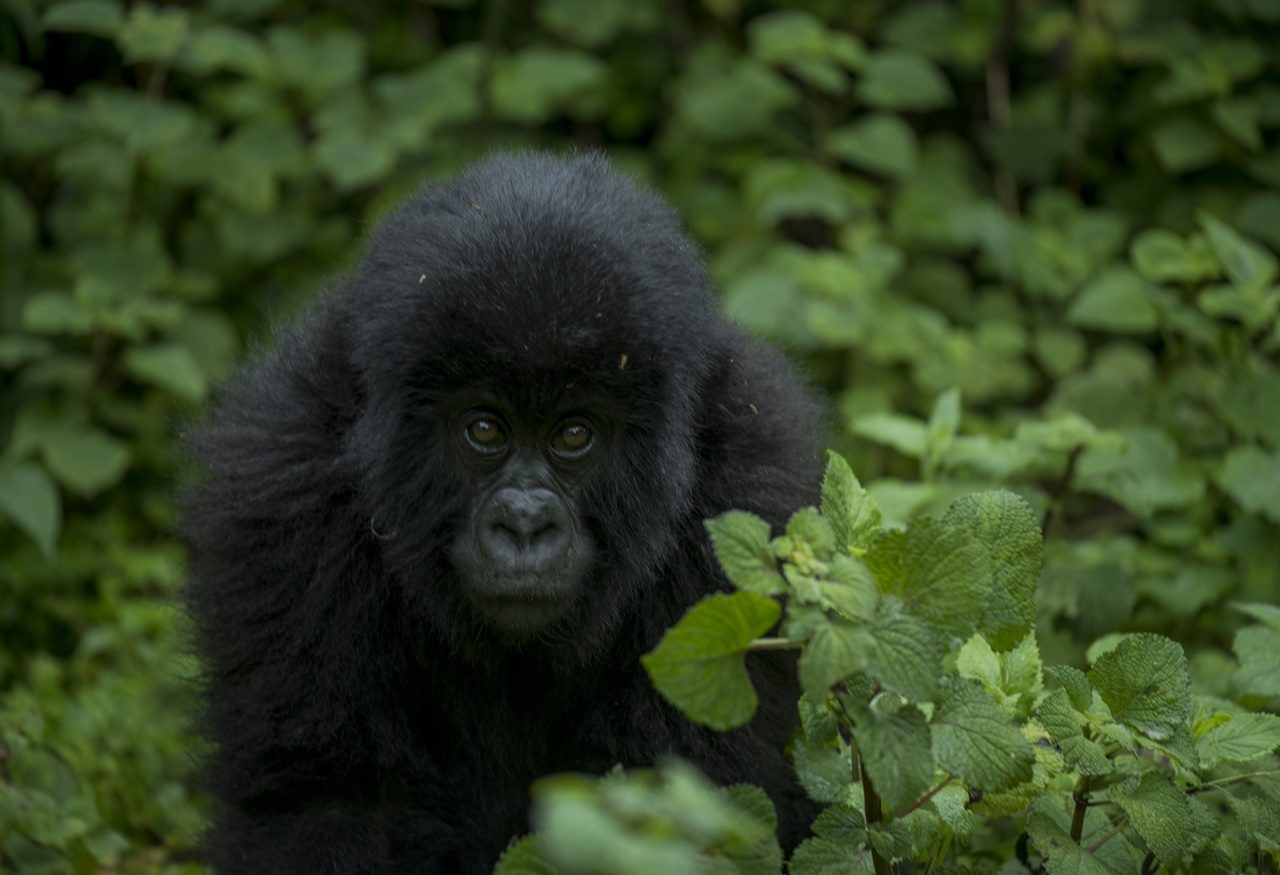
The families you visit are habituated: over years, researchers and trackers taught them that a small group of quiet humans at a distance is not a threat. That habituation is the whole product, and it is fragile. It is why visitor numbers are capped, why the hour is enforced, and why a cold can keep you out of the forest.

The trade is straightforward. You pay a lot for a single morning; that money funds ranger salaries, veterinary care and a revenue share for the communities living against the park boundary. Mountain gorilla numbers have risen while almost every other great ape population has fallen. Very few tourism transactions are this direct.

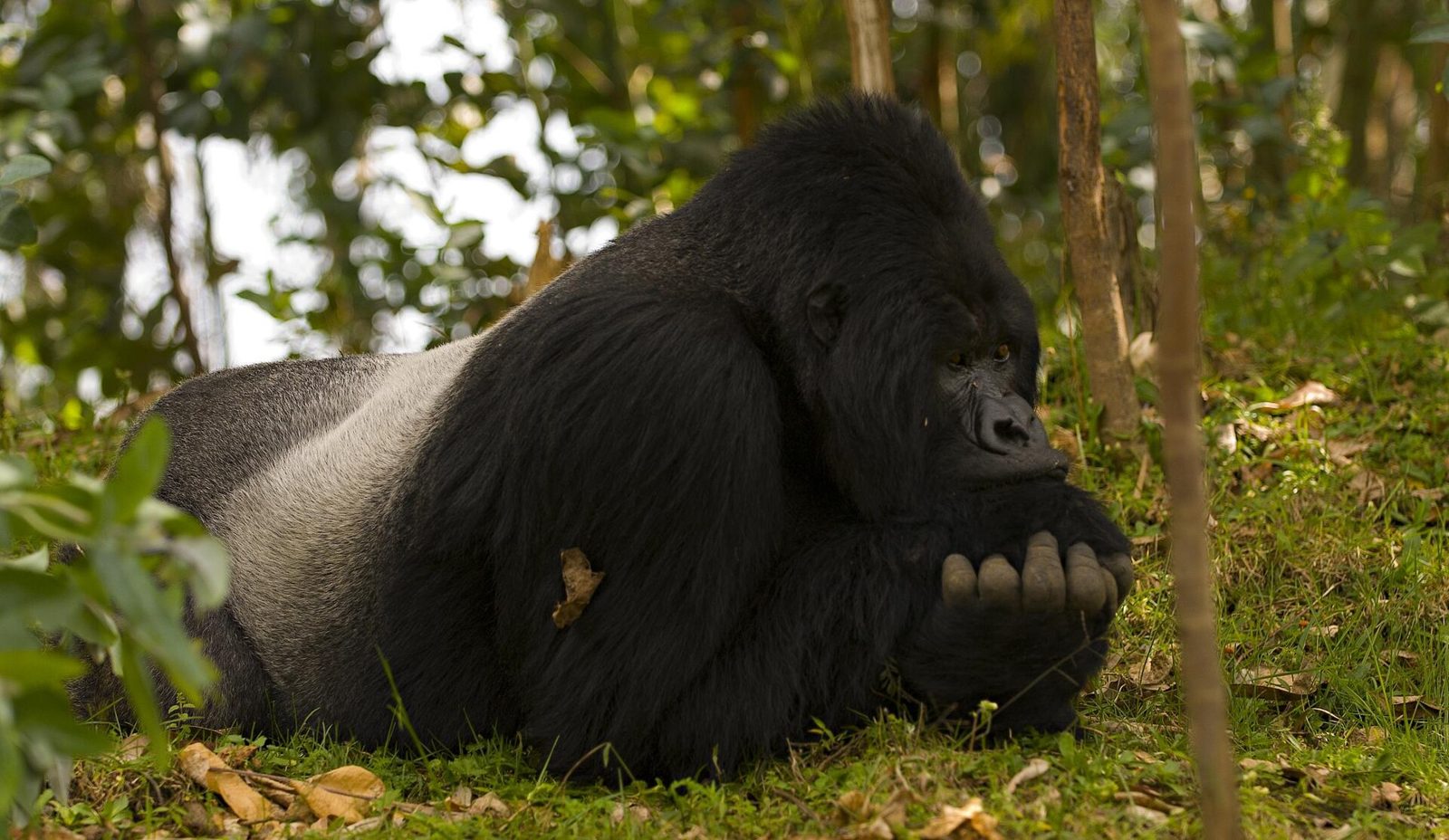
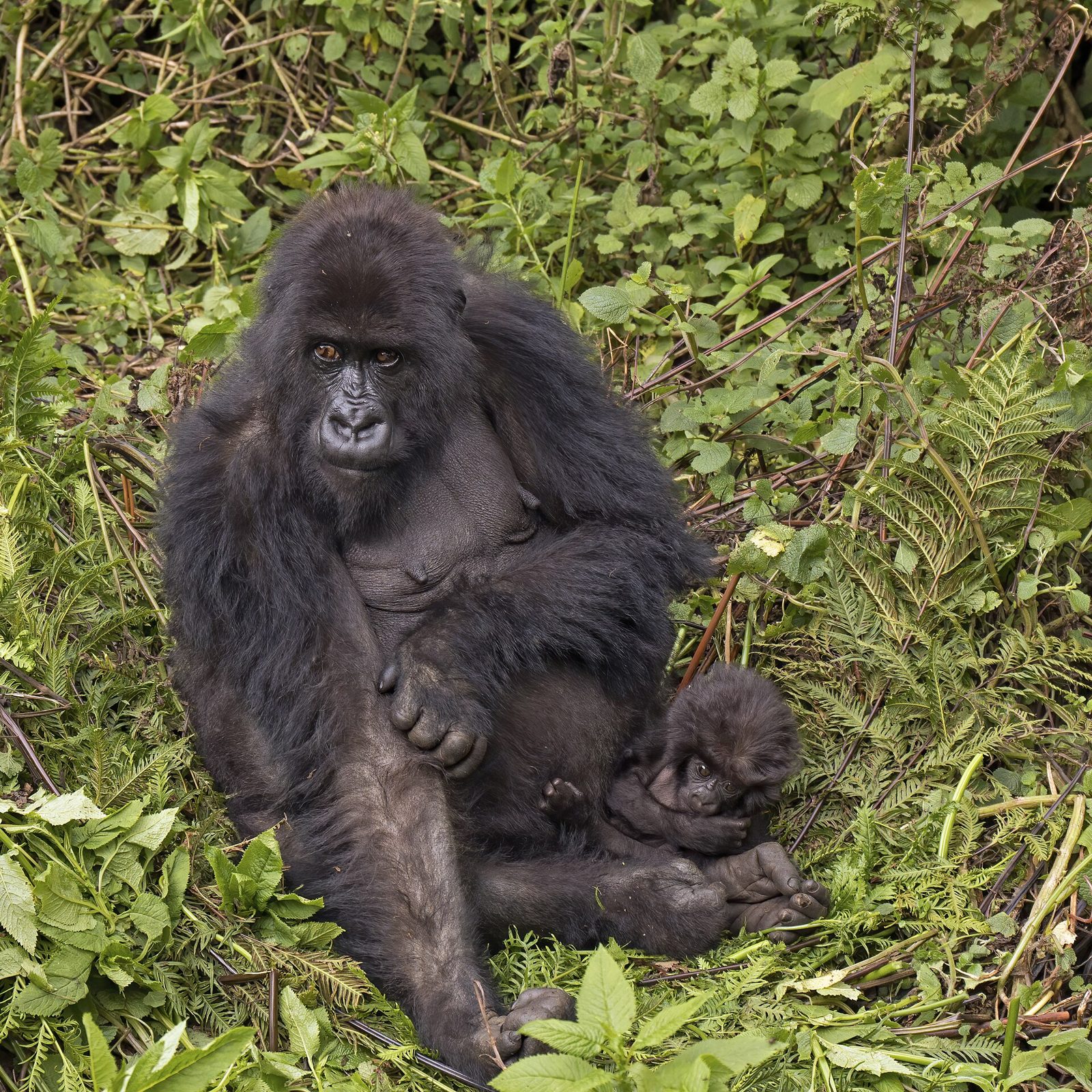
A silverback mountain gorilla resting in dense forest vegetation
A habituated silverback. Habituation takes years and is the reason visitor numbers stay capped.
WhatsApp X Facebook
02Permits

How the permit actually works

Permits are issued by the Rwanda Development Board (RDB) and are the single non-negotiable item in your budget. A limited number are released per day, one per visitor, tied to a date — not to a specific gorilla family, which is allocated on the morning itself.

What the permit includes

  • Park entry for the day and your allocated trek
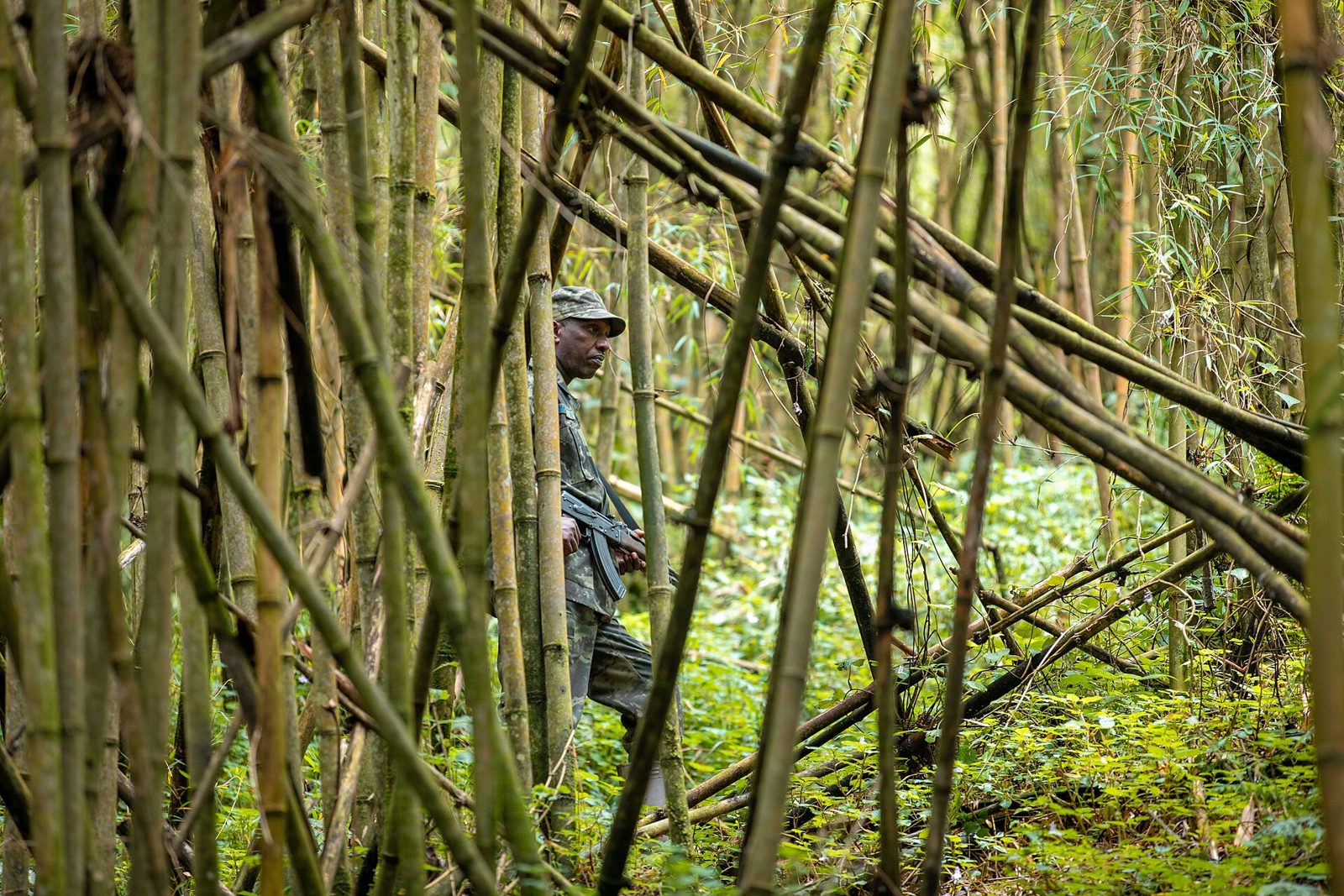
  • Ranger guides and armed escort
  • Trackers who locate the family before you set out
  • The conservation and community revenue share

What it does not

  • Transport to Kinigi and back
  • Accommodation and meals
  • Porter fees and tips (cash, on the day)
  • Travel insurance and any extra activities

Permit categories

  • International visitors (non-resident foreign nationals)
  • African Union / East African Community citizens
  • Rwandan citizens and foreign residents holding a valid permit

Through a licensed operator

The usual route. The operator holds the permit, arranges transport, lodging and the pre-dawn transfer, and absorbs the admin if a date has to move. Most travellers pay a small premium for this and never regret it.

Direct with RDB

Possible, and cheaper on paper. You handle payment, confirmation, your own vehicle to Kinigi for a 07:00 briefing, and everything that goes wrong on the day. Sensible if you are already living in the region.

Permit prices, category rules and refund conditions change. Confirm the current rate for your nationality with RDB or a licensed operator before you budget, and never pay an individual who cannot show an operator licence. Last checked: August 2026

03Booking

A booking countdown

Permits are the bottleneck. Work backwards from the day you hold one.

  1. 12–6 months out

    Fix your dates and buy the permit first. Everything else — flights, lodges, the rest of the country — bends around the day you have a permit for.

  2. 6–3 months out

    Book a lodge near Kinigi or in Musanze, and confirm how you will reach the 07:00 briefing. Add a second activity day (golden monkeys, Bisoke) while you are in the north.

  3. 3 months out

    Buy travel insurance that explicitly covers trekking at altitude and any medical evacuation. Start walking hills at home if you do not already.

  4. 1 month out

    Break in your boots. Buy or borrow waterproofs and gardening-weight gloves. Check your visa and yellow fever documentation.

  5. 1 week out

    Reconfirm pick-up time with your operator, withdraw cash in small notes for porters and tips, and download offline maps.

  6. The night before

    Sleep near the park, lay out layers, charge everything, and eat properly. Departure is usually between 05:00 and 05:30.

04Trek day

The trek, hour by hour

From a 05:00 alarm to a signed certificate — what the day looks like on the ground.

Lodge cottages on a green hillside below volcanoes at first light

Trek day · 05:00

Wake, layer up, eat something

45 min

Most lodges near Kinigi serve an early breakfast and pack a lunch box. Dress in layers you can shed: it is cold at the briefing and hot inside the forest.

Planning note

Two pairs of socks and dry clothes waiting in the vehicle change the whole afternoon.

Trekkers in rain jackets listening to a ranger guide at a hillside shelter at dawn

Trek day · 06:30

Briefing at park headquarters

1 hour

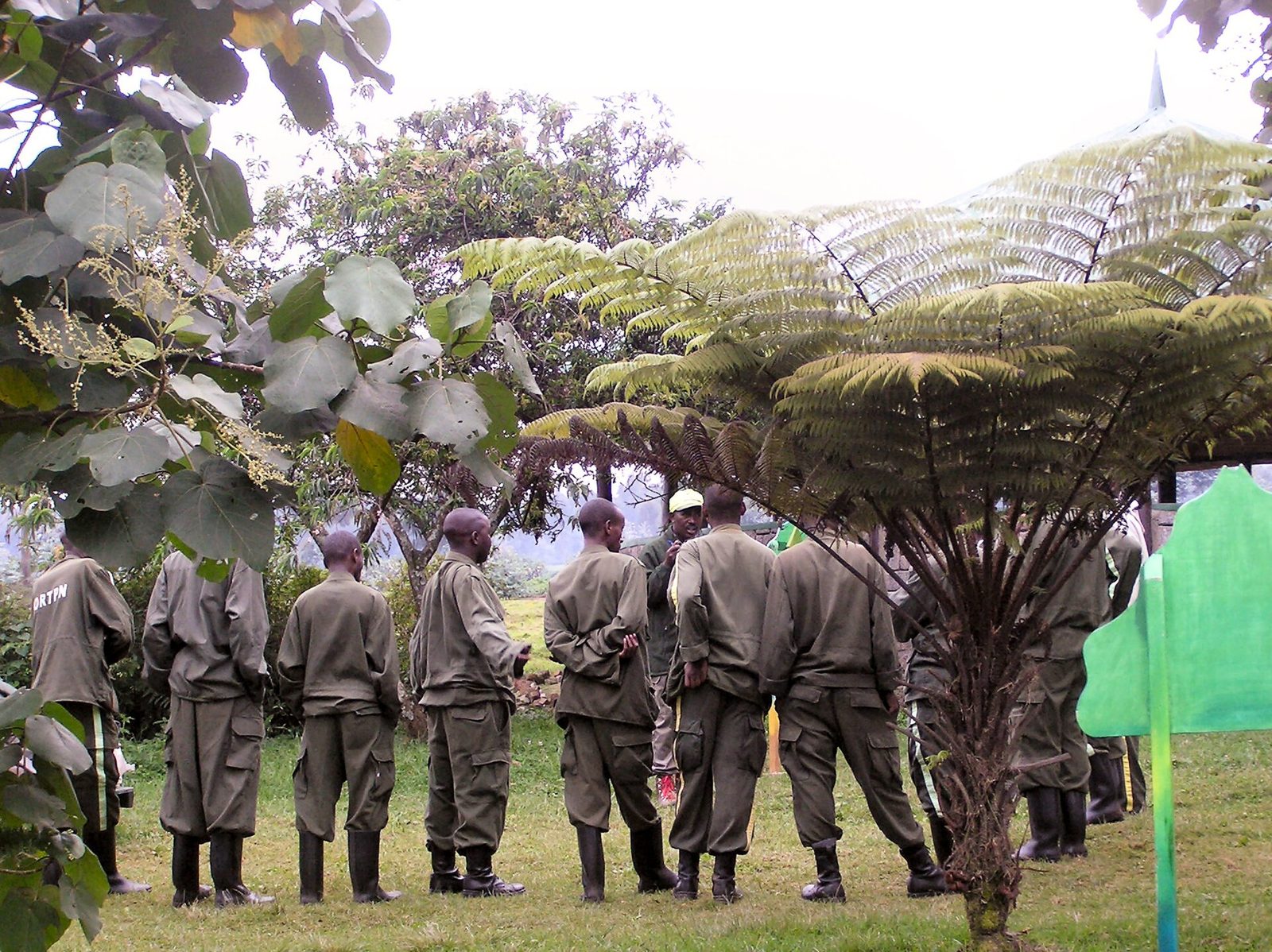
Coffee, dancers, and then the part that matters: rangers split arrivals into small groups and assign each to a habituated family based on your fitness, age and the family's position that morning.

Planning note

Be honest about your fitness here. Guides use it — this is the one moment you can influence the walk you get.

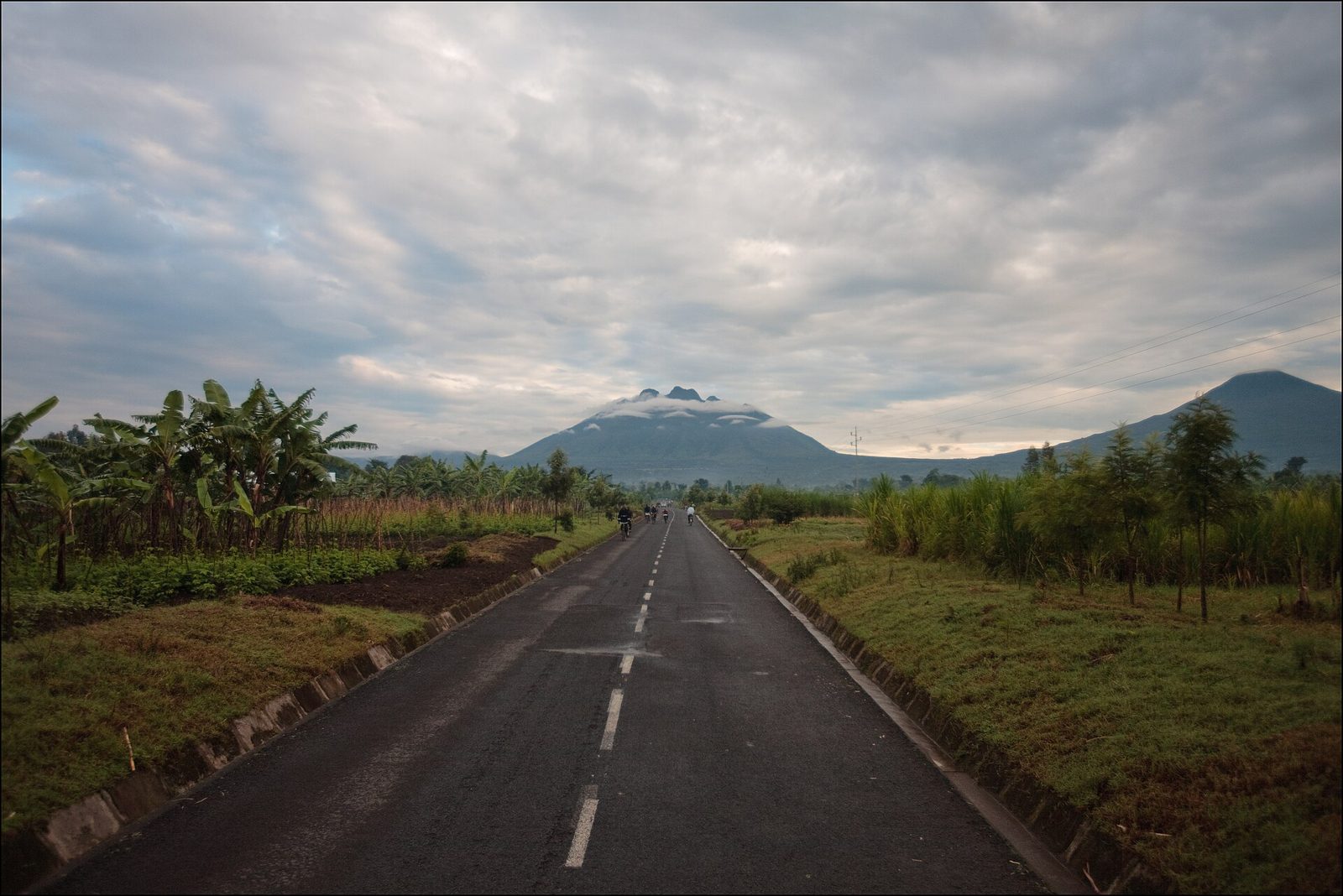
Winding road through terraced hills towards the volcanoes

Trek day · 07:30

Drive to the trailhead

20–60 min

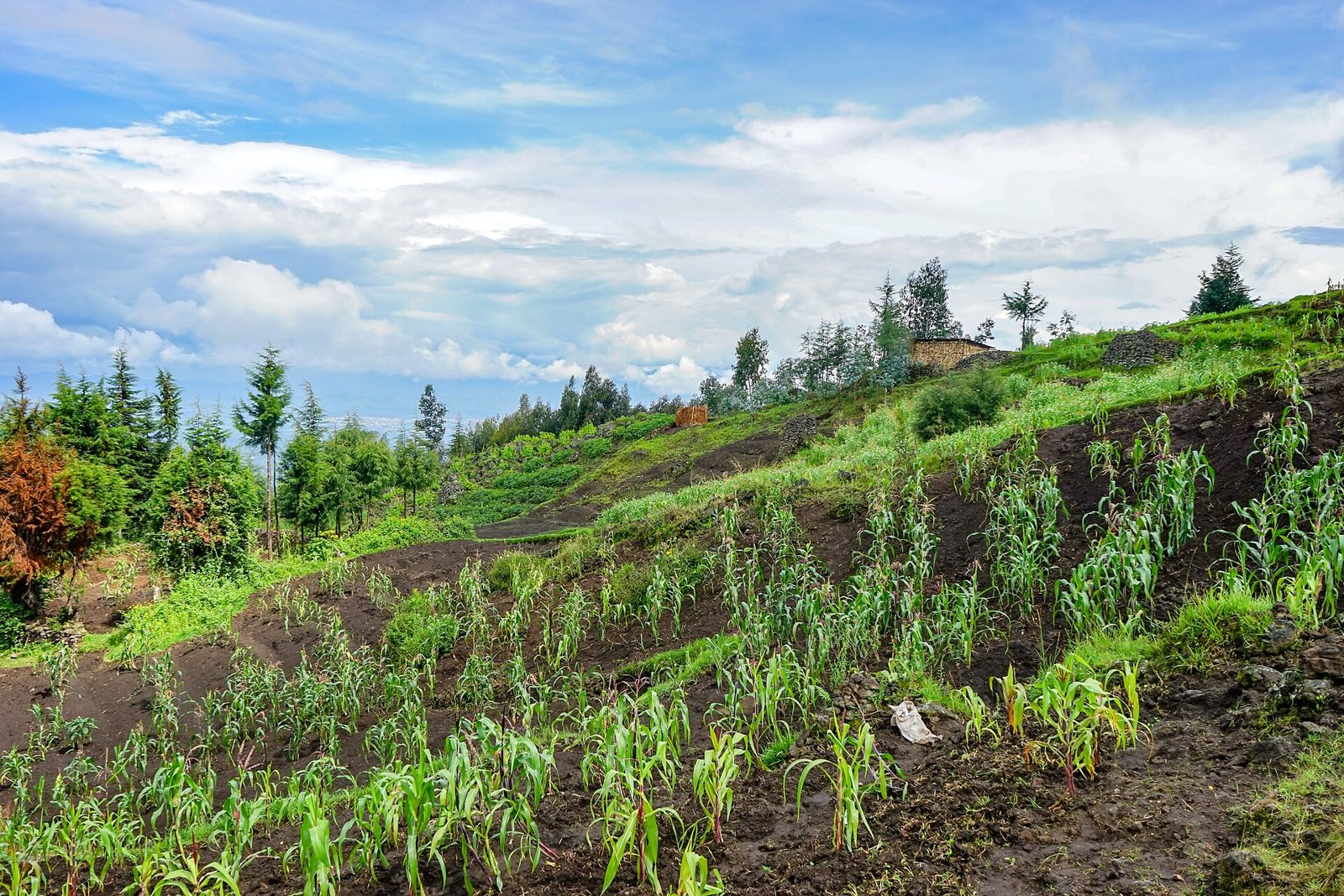
You leave the tarmac for rough farm tracks between potato and pyrethrum fields. Some trailheads need a 4x4; your operator should already know which.

Planning note

This is where you hire a porter — arrange it at the trailhead, in cash.

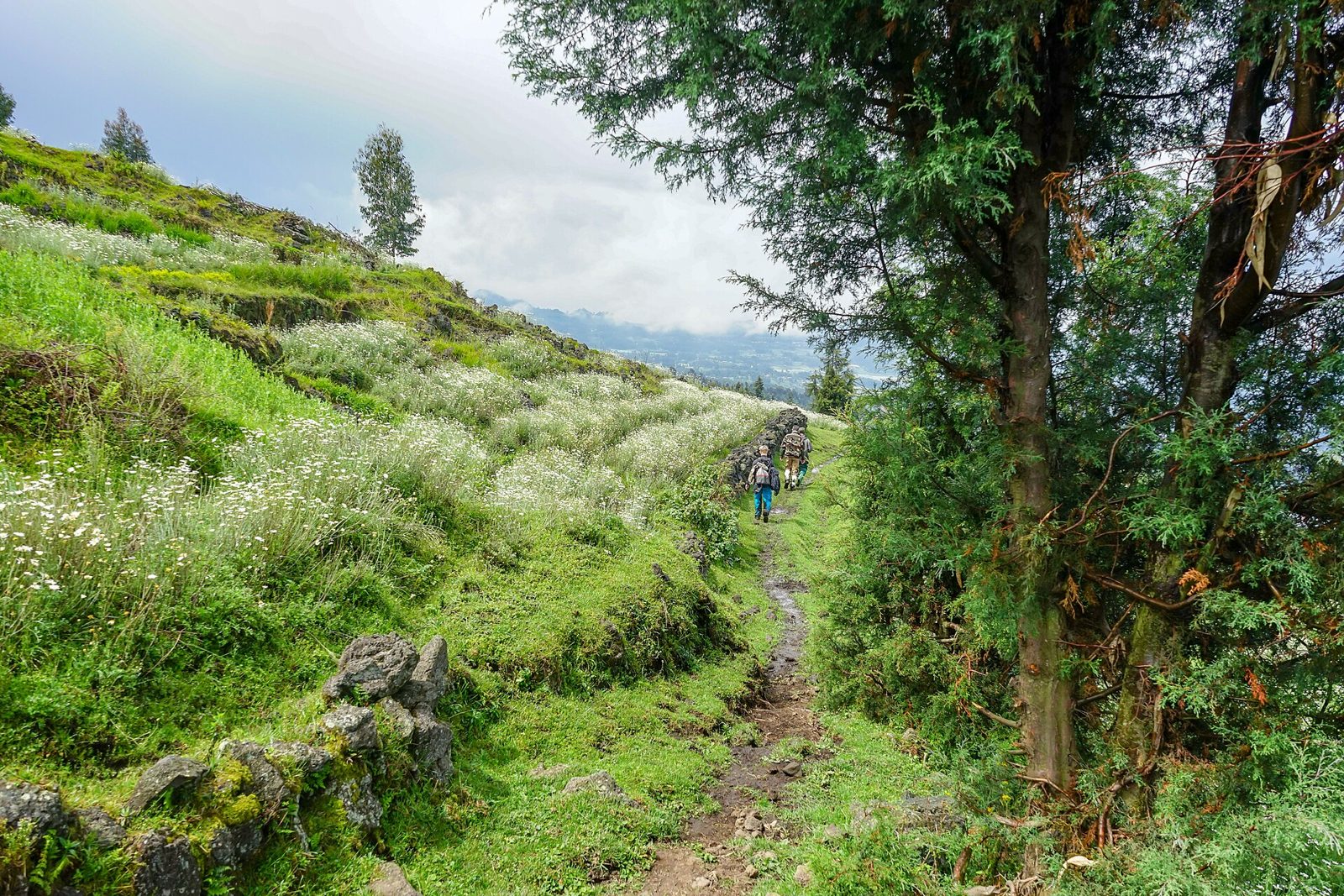
Trekkers and porters walking up a green hillside path towards the forest

Trek day · 08:15

Through the farmland and over the wall

30–60 min

The first stretch crosses cultivated slopes with children waving from the terraces. A dry-stone buffalo wall marks the park boundary; the vegetation changes the moment you step over it.

Planning note

Set your pace here. Guides walk slowly on purpose — 'pole pole' is not a joke at 2,800 m.

Hikers on a muddy bamboo forest trail in mist with walking sticks

Trek day · 09:00

Into the bamboo and nettles

1–4 hours

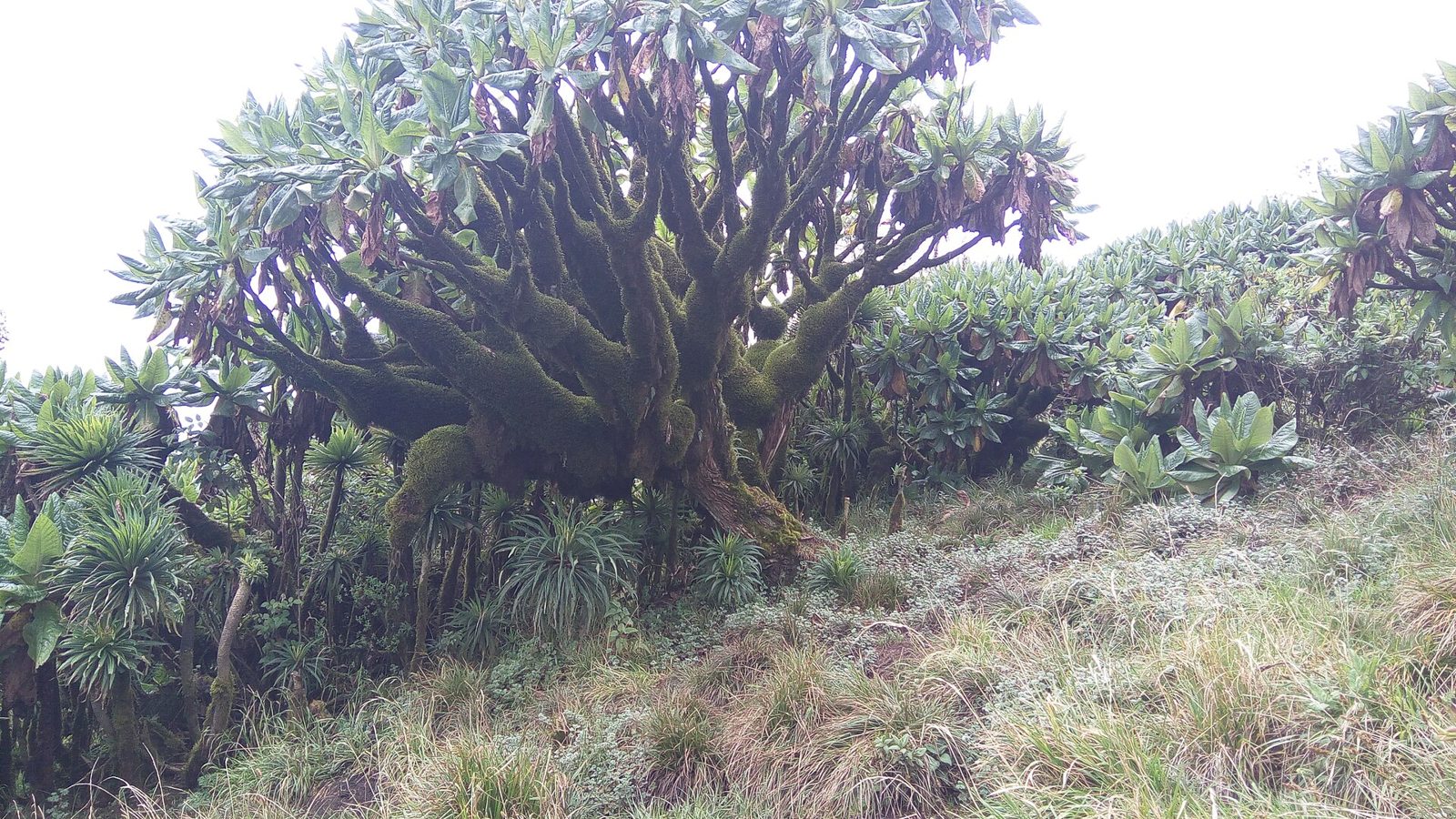
There is rarely a path. Guides cut a line through bamboo, nettles and hagenia while trackers relay the family's position by radio. Mud is the constant; gradient is the variable.

Planning note

Gloves are for nettles and for grabbing vegetation, not for warmth. Gardening weight, not fleece.

Mountain gorilla mother resting with an infant in dense forest

Trek day · 11:00

The hour

Normally 60 minutes

Packs and sticks go down. You approach quietly, keep the required distance, and then the clock starts. Infants tumble, a silverback ignores you magnificently, and the hour disappears faster than any hour you have spent.

Planning note

Spend ten minutes with the camera down. You will remember that part longest.

Group of trekkers walking down a farmland path with a volcano behind

Trek day · 12:30

Descent and certificate

1–3 hours

The way down is faster and, in mud, more comedic. Back at headquarters or the trailhead, guides hand out signed certificates and everyone finally sits down.

Planning note

Tip your guide, trackers and porter separately, in cash, at the end.

05Gorilla families

Who you might be allocated

Families are allocated at the briefing, on the morning, by rangers who know where each group slept. You cannot pre-book a specific family — but you can and should state your fitness honestly, and any medical or mobility constraint, before allocation.

Sabyinyo

Easier

Often 1–2 hours

Lives on the lower slopes between Sabyinyo and Gahinga; frequently allocated to visitors who ask for a gentler walk.

Agashya (Group 13)

Moderate

2–4 hours

Known for moving high and fast when it wants to. A large group with a protective dominant male.

Amahoro

Moderate

2–4 hours

'Peaceful' in Kinyarwanda, and generally calm — but the climb up Bisoke's flank is steady and long.

Kwitonda

Moderate

2–4 hours

Ranges near the Muhabura slopes after crossing from the DRC side years ago; often a longer approach drive.

Hirwa

Moderate

2–4 hours

A composite family formed from members of other groups — its range has shifted over the years.

Susa

Demanding

Often 4–7 hours

The Karisimbi group studied by Dian Fossey. High, far and the most physically serious allocation in the park.

Igisha

Demanding

4–6 hours

A large high-altitude family; expect real climbing and a very early finish to the day's descent.

Muhoza

Easier

1–3 hours

Usually within reasonable reach of the boundary, which makes it a common allocation for older trekkers.

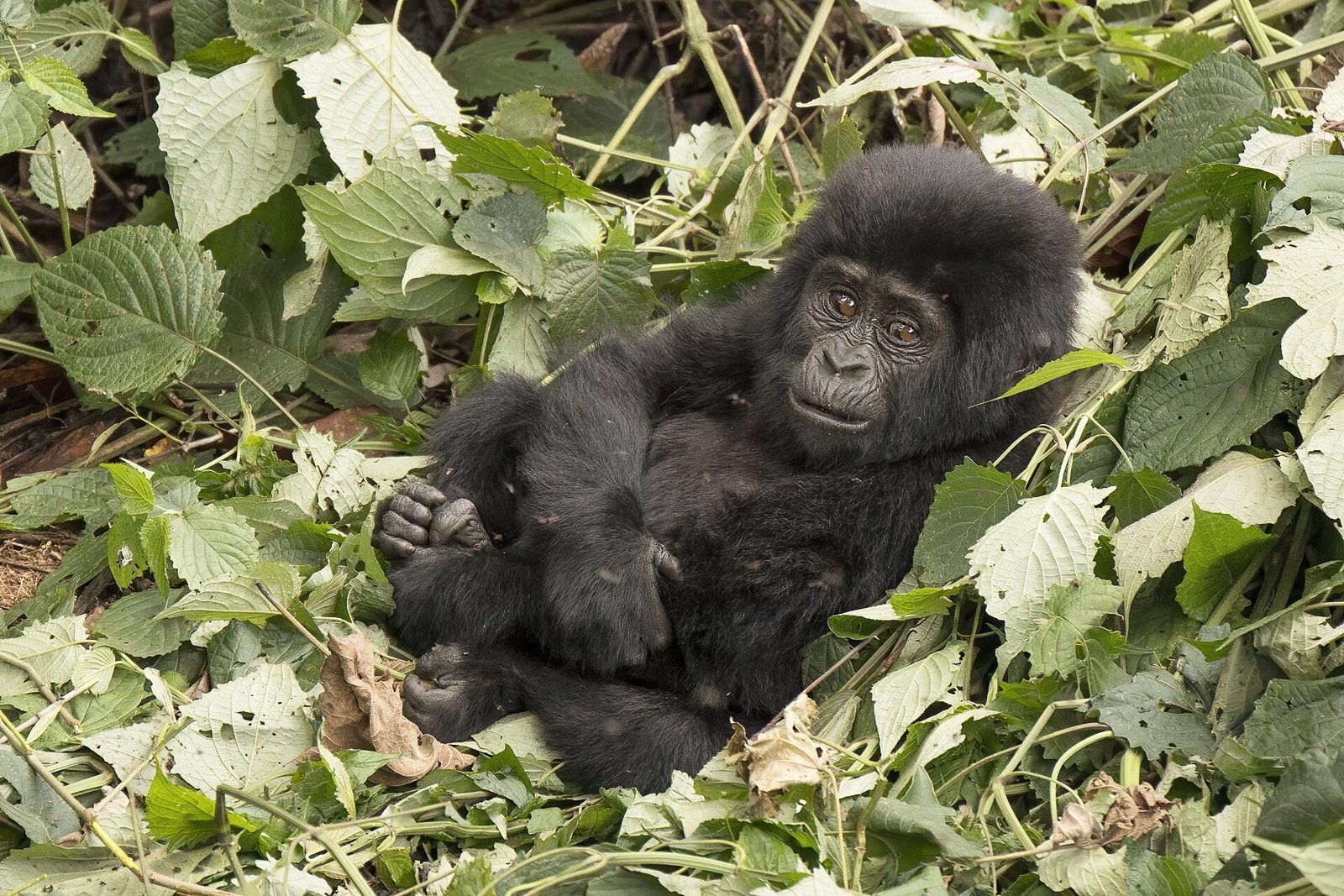
A young mountain gorilla climbing a slender tree in rainforest
Juveniles do most of the moving. Silverbacks mostly ignore you, which is its own kind of privilege.
06Fitness

How hard is it, really?

Rangers match families to people. The only way that works is if you are honest at the briefing.

Comfortable

You walk hills regularly and can manage 3–4 hours on uneven ground.

Any allocation is fine. Ask for a longer trek if you want the forest to yourself for longer.

Moderate

You are reasonably active but not a hiker, or you are travelling with teenagers.

Say so at the briefing. A lower-slope family keeps the walk in the 1–3 hour range each way.

Limited

Knees, lungs, altitude or age make steep muddy ground genuinely hard.

Request an easier family and consider a sedan chair, arranged in advance through your operator with a team of porters.

  • Altitude, not distance, is what surprises people. Most treks sit between 2,500 m and 3,000 m; arrive a day early if you have flown in from sea level.
  • Hiring a porter costs a modest fixed fee plus a tip and is the single best thing you can do for your day — and for a household living beside the park.
  • Walking sticks are provided or hired at the trailhead. Take one even if you never use them at home; the descent is where they earn their keep.
Porters carrying daypacks up a green hillside towards the forest
Hiring a porter costs little, makes the day manageable, and puts money straight into a household beside the park.
07What to pack

The kit that matters

Mud, nettles, altitude and rain — in that order of likelihood.

Trekking gear laid out on wooden boards: jacket, gloves, boots, water bottle and camera

Non-negotiable

  • Waterproof jacket

    The forest makes its own weather. Assume rain even in the dry season.

  • Boots with ankle support

    Mud is deep and the ground is uneven and root-laced.

  • Gardening-weight gloves

    You will grab nettles and thorns to steady yourself.

  • Cash in small notes

    Porters and tips are cash-only at the trailhead.

Clothing

  • Long trousers, tucked into socks

    Stinging nettles and safari ants find every gap.

  • Long-sleeved base layer

    Cold at 06:30, humid by 10:00 — layer rather than bulk.

  • Gaiters

    Optional but they keep mud out of your boots on wet-season treks.

  • Dry change in the vehicle

    You will finish soaked, one way or another.

Camera and kit

  • Rain cover and dry bag

    Humidity and rain end more trips than mud does.

  • One body, one zoom

    There is no room and no time to change lenses in the hour.

  • Spare battery

    Cold and continuous shooting drain batteries fast.

  • 2 litres of water and a snack

    You may be out longer than anyone predicted at the briefing.

Leave behind

  • Flash and drones

    Both are prohibited around the gorillas.

  • Single-use plastic bags

    Banned nationwide in Rwanda; they will be removed at the airport.

  • Food you plan to eat near the family

    Eating within sight of gorillas is not permitted.

  • A cold or flu

    Gorillas share our respiratory viruses and have no immunity to them.

08Rules

The rules, and why they exist

Every rule exists because habituated gorillas are unusually vulnerable to us.

Keep the required distance

The set minimum — commonly cited as 7 metres, sometimes more — limits disease transmission. Gorillas may close it; you may not.

One hour, then leave

The limit caps stress on the family and keeps habituation sustainable.

Do not visit while ill

A human cold can be fatal to a gorilla. Declare symptoms; permit-holders who are turned away are usually offered a remedy.

Wear a mask if asked

Mask requirements have applied at various times. Follow the current ranger instruction without arguing.

No flash photography

Sudden light startles animals and can provoke a charge.

No eating, drinking or smoking near the family

Both a disease risk and an attractant.

Stay in a tight group and stay low

A dispersed line of standing humans reads as a threat; crouching reads as deference.

If a silverback charges, do not run

Charges are almost always bluff. Crouch, look down, and let your guide handle it.

09Photography
Photographer crouched in wet rainforest undergrowth with a rain-covered camera

Shooting in a dark, wet forest

  • Forest light is dim and green. Push ISO higher than feels comfortable — 1600–6400 is normal — and accept grain over blur.
  • A 24–105mm equivalent covers almost everything. At the permitted distance a long telephoto is often too long.
  • Shoot at 1/250s or faster: gorillas move more than you expect, and so do you.
  • Meter for the black fur, not the leaves, or you will lose every face to shadow.
  • Ethics first: no flash, no stepping closer for a frame, no asking your guide to move the group. The animal's day matters more than your photograph.
10When to go

Season by season

There is no closed season. There is only a trade between mud, crowds and permit availability.

MonthsTrailsCrowdsPermitsNotes
January–FebruaryShort dry season — firmerBusyBook earlyWarm, bright mornings; a good compromise window.
March–MayLong rains — deep mudQuietestMost availableHardest walking, greenest forest, best photographs of mist.
June–SeptemberLong dry season — firmestBusiestSell out firstThe classic window. Book 6–12 months ahead.
October–NovemberShort rains — variableModerateUsually availableAfternoon showers, comfortable mornings, fewer people.
DecemberDrying outBusy at holidaysBook earlyFestive-period lodges fill before permits do.
Rain clouds gathering over green volcano slopes and farmland
The long rains, March to May: the hardest walking and the emptiest trails.
11Costs

What a trek costs around the permit

These are planning ranges for everything except the permit. The permit is set by RDB, differs by nationality category and changes over time — confirm the current figure and add it on top.

Comfortable hotel near Kinigi, private car with driver.

  • Two nights' accommodation$200–500
  • Private vehicle and driver, two days$200–340
  • Porter fee and tip$20–40
  • Meals and drinks, two days$60–140
  • Second activity (golden monkeys or a hike)$60–120
Two days, excluding the permit$540–1,140
12Where to stay

Sleeping near the park

Everything is judged by one number: how long it takes to reach a 07:00 briefing in Kinigi.

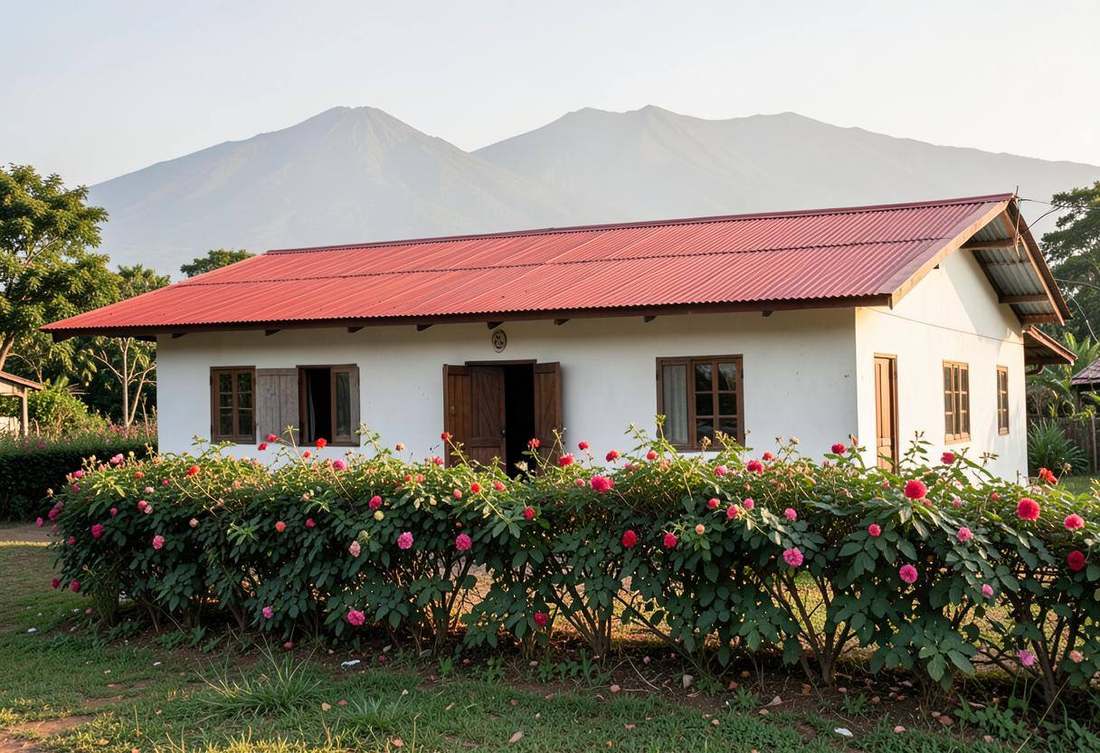
Illustrative lodge cottages facing the volcanoes at dusk

Where to stay · Premium · Early starts

Park-edge lodges in Kinigi

10–25 min to the briefing

Choose the park edge for a shorter morning transfer and a quiet evening after trekking. Cottages and fireside comfort come at a higher price; confirm breakfast arrangements and transport to the briefing when you book.

Illustrative stay setting · confirm property photos before booking.

Musanze town setting for a northern Rwanda stay

Where to stay · Mid-range · Town base

Musanze town hotels

30–45 min to the briefing

Town suits travellers who want mid-range rooms, walkable restaurants and onward transport to Kigali or Lake Kivu. Factor the drive to Kinigi into your early start and arrange your pickup before going to bed.

Illustrative stay setting · confirm property photos before booking.

Illustrative guesthouse setting in northern Rwanda

Where to stay · Budget · Local connection

Community guesthouses

30–50 min to the briefing

Simple cooperative-run rooms put more of your stay directly into the surrounding community. Ask about meals, hot water and morning transport before booking, and leave time for the longer transfer to the briefing.

Illustrative stay setting · confirm property photos before booking.

Private transfer

About 2 to 2.5 hours from Kigali on good tarmac. The standard arrangement, usually bundled with the permit by operators.

Self-drive

Straightforward to Musanze; a 4x4 is what matters for the farm tracks to the trailheads. Drive on the right, and expect pedestrians and bicycles.

Scheduled bus

Frequent daily services from Nyabugogo in Kigali to Musanze. Cheap and reliable, but you still need transport to Kinigi at 05:30.

Helicopter

Charter flights from Kigali reduce the journey to roughly 20 minutes. A cost-for-time trade some travellers make on short trips.

13Around the park

What else is up here

A permit buys one morning. Give the north two or three days and it repays you.

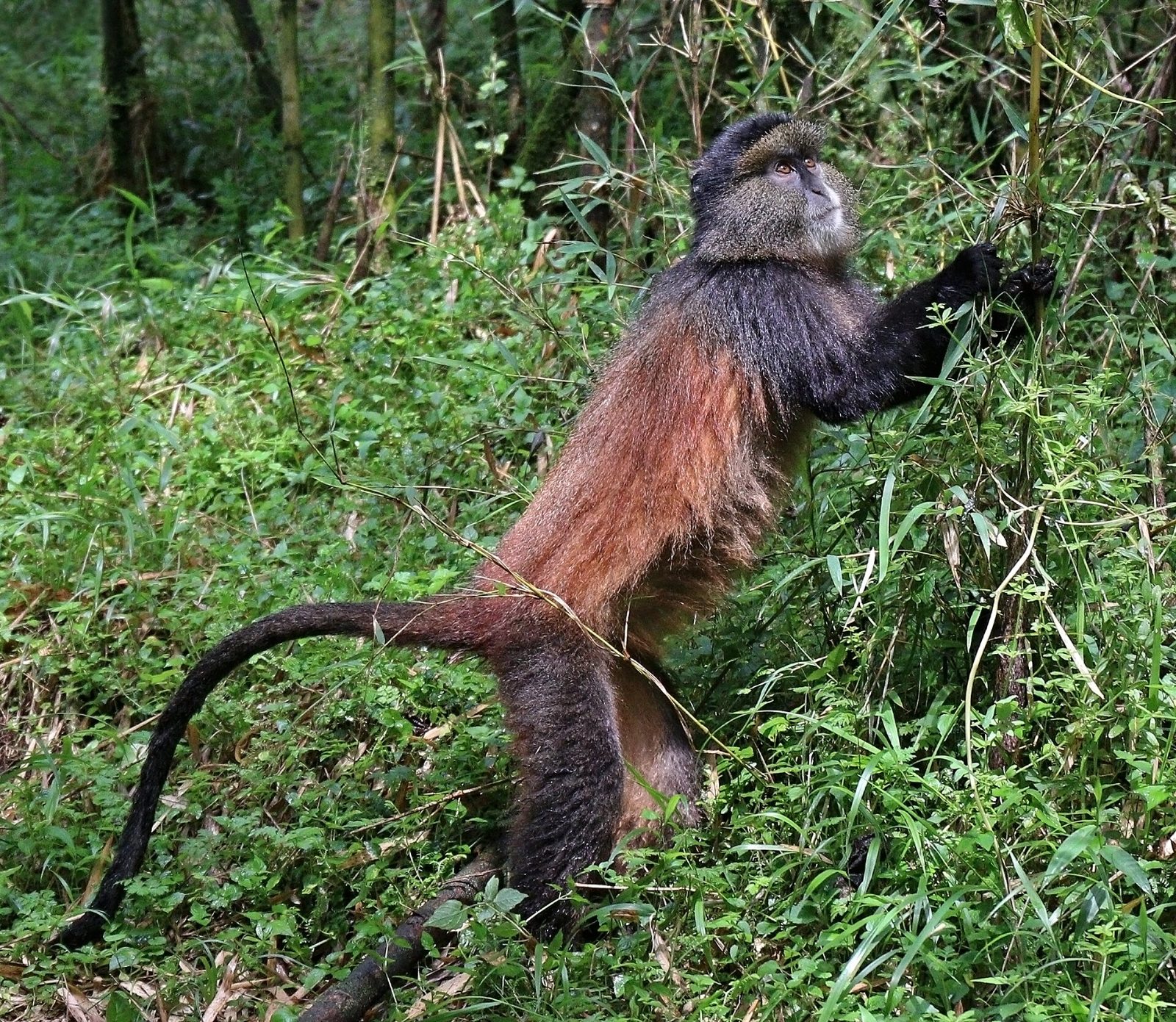
Golden monkey in bamboo forest

Around the park · Easy to moderate

Golden monkey tracking

Half day

Bamboo-zone troops, far cheaper than a gorilla permit, and an excellent second morning in the same park.

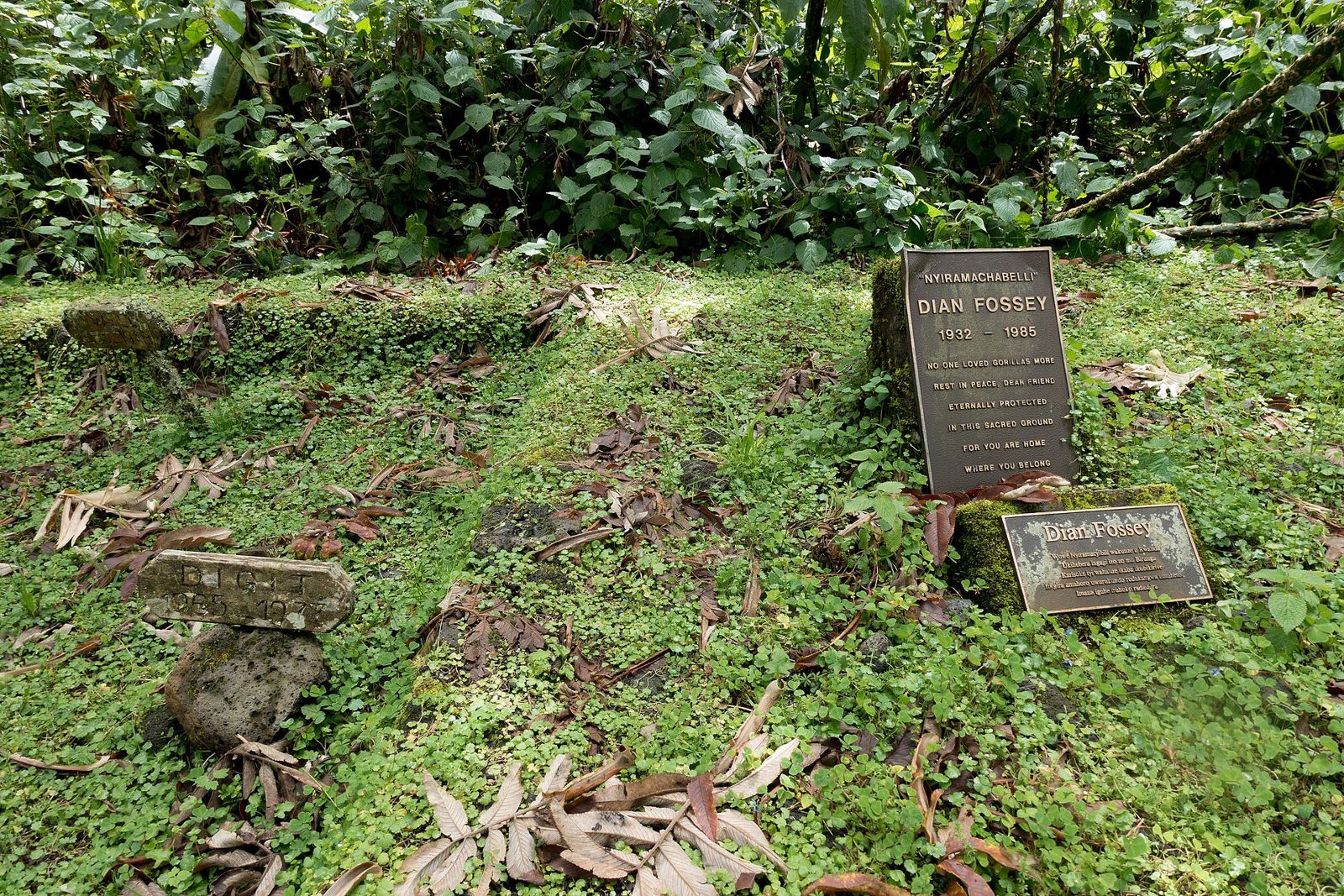
Dian Fossey memorial setting in mountain forest

Around the park · Moderate

Dian Fossey tomb hike

4–6 hours

Walk through hagenia forest to the former Karisoke research site and the graves of Fossey and Digit. This is a mountain hike with conservation history at its heart; wear trail shoes and allow time for your guide’s interpretation.

Crater lake on a volcano summit

Around the park · Demanding

Mount Bisoke crater lake

6–8 hours

A steep, muddy climb to a crater lake at roughly 3,700 m. Do it the day after your trek, not before.

Entrance to a lava tube cave surrounded by vegetation

Around the park · Easy

Musanze caves

2 hours

Lava tubes running under the town, with helmets, torches and a guided walkway. Good for a rainy afternoon.

Illustrative Rwandan lakeside landscape

Around the park · Easy

Twin Lakes Burera & Ruhondo

Half day

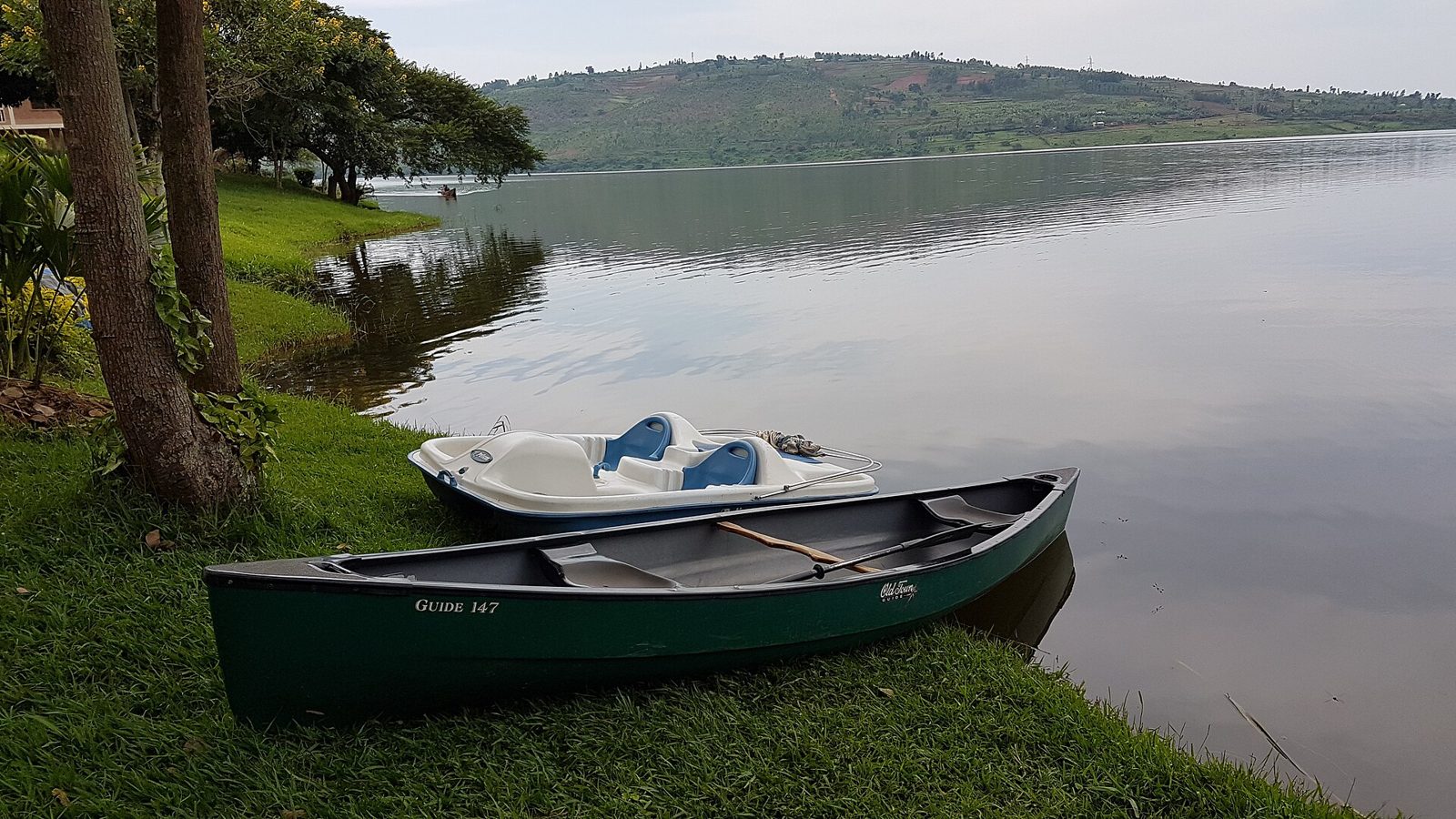
Swap steep trails for terraced shores, canoes and wide volcano views. A lakeside afternoon gives tired legs a gentler pace after trekking; ask your local guide about the shoreline stops and boat arrangements that fit your day.

Women weaving baskets at a cooperative

Around the park · Easy

Community and craft visits

2–3 hours

Cooperatives around Kinigi run weaving, cooking and beekeeping visits that put money into the same households the park does.

14Health & safety

Before you fly

Altitude

Treks run at 2,500–3,000 m and Bisoke higher still. Arrive a day early, hydrate, and tell your guide if you feel unwell.

Illness rules

Visitors with respiratory symptoms are not permitted near the gorillas. Declare it — do not gamble with a family's health.

Vaccinations

Yellow fever proof is required if you arrive from a country with risk of transmission. Check current requirements before you fly.

InsurancePartner link

Choose a policy that names trekking at altitude and medical evacuation. Standard city-break cover often excludes both.

Malaria

Lower risk at altitude in the north than at Akagera or Lake Kivu, but prophylaxis is still commonly advised for a multi-region trip.

Money and safety

Rwanda is a notably safe place to travel. Carry cash for porters and tips; cards are widely accepted in Kigali and lodges, less so at trailheads.

15Conservation

Where the money goes

  • A share of every permit is paid into a revenue-sharing scheme that funds schools, clinics, water projects and cash compensation for crop damage in the districts around the park.
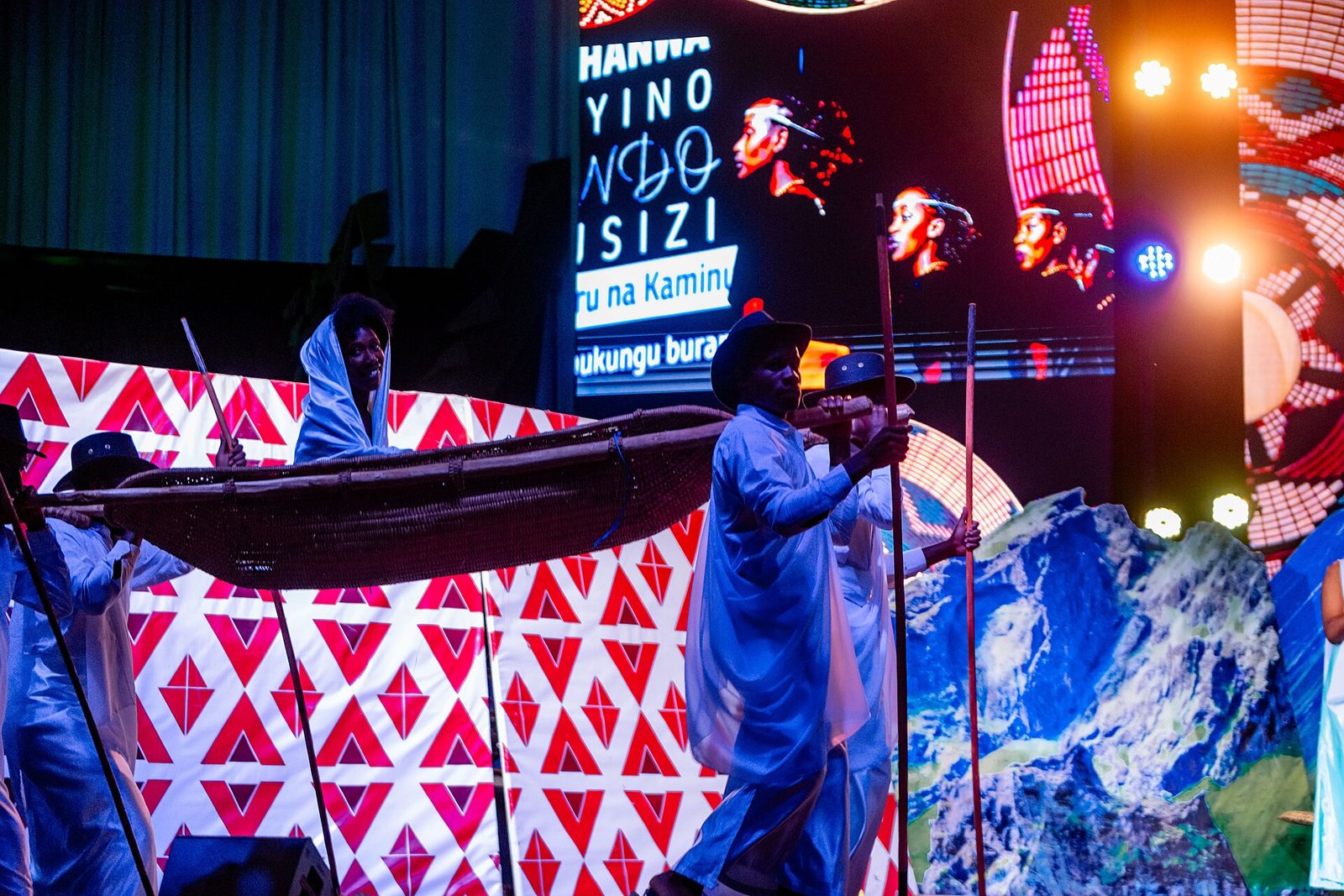
  • Kwita Izina, the annual gorilla naming ceremony, is Rwanda's public conservation moment: each infant born that year is named, usually with international guests present.
  • Porters, trackers, guides, cooks and drivers are almost entirely local hires. Hiring a porter you do not strictly need is the most efficient tip you will make all trip.
  • Buy from cooperatives rather than roadside resellers, ask before photographing people, and never buy wildlife products of any kind.
Women weaving baskets at a craft cooperative near the park
16Fit it into a trip
17FAQ

Questions people actually ask

No. The minimum age for gorilla trekking in Rwanda is 15. Younger children can do golden monkey tracking, the Musanze caves and community visits while the rest of the family treks.

18Plan it

Ask a licensed Rwandan operator

Tell us your dates and group size and we will pass your enquiry to a licensed tour operator who can check permit availability.

We share enquiries only with providers relevant to your request.

Prefer to price the whole trip first?

Pick dates, travellers and a route with the permit included, then send it to an operator.

Book a gorilla trip
19Sources

How this guide is verified

  • Rwanda Development Board — Permit issuance, visitor categories, park rules and minimum age
  • Volcanoes National Park visitor regulations — Distance, group size, health rules and hour limit
  • Dian Fossey Gorilla Fund — Habituated family research and population trends
  • Rwanda Ministry of Health — Vaccination and entry health requirements

Last checked: August 2026. Permit rates, health rules and park regulations change; always confirm with the Rwanda Development Board or a licensed operator before you travel.