
Investment readiness check
0/5 foundations mapped.
Use the unchecked items as the agenda for your next diligence call.

A practical route from first market questions to registration, tax, people and trade — built around official sources and the decisions operators actually face.
Kigali business district · Independent editorial guide
Read in order for a complete market-entry path, or go directly to the decision on your desk. Every guide names the institution responsible for the next step.

Registration, licensing, tax setup and bank accounts — the full sequence, in order.
Leave with: A sequenced route from entity choice to licences, banking and first hires.
Read the 9 min guide
Corporate tax, VAT, PAYE, social security and the filing calendar businesses must keep.
Leave with: The core filing rhythm, records and questions to confirm with a local adviser.
Read the 7 min guide
Permit classes for investors, employees and consultants, and what each requires.
Leave with: The documents and lead times to map before relocating a founder or employee.
Read the 6 min guide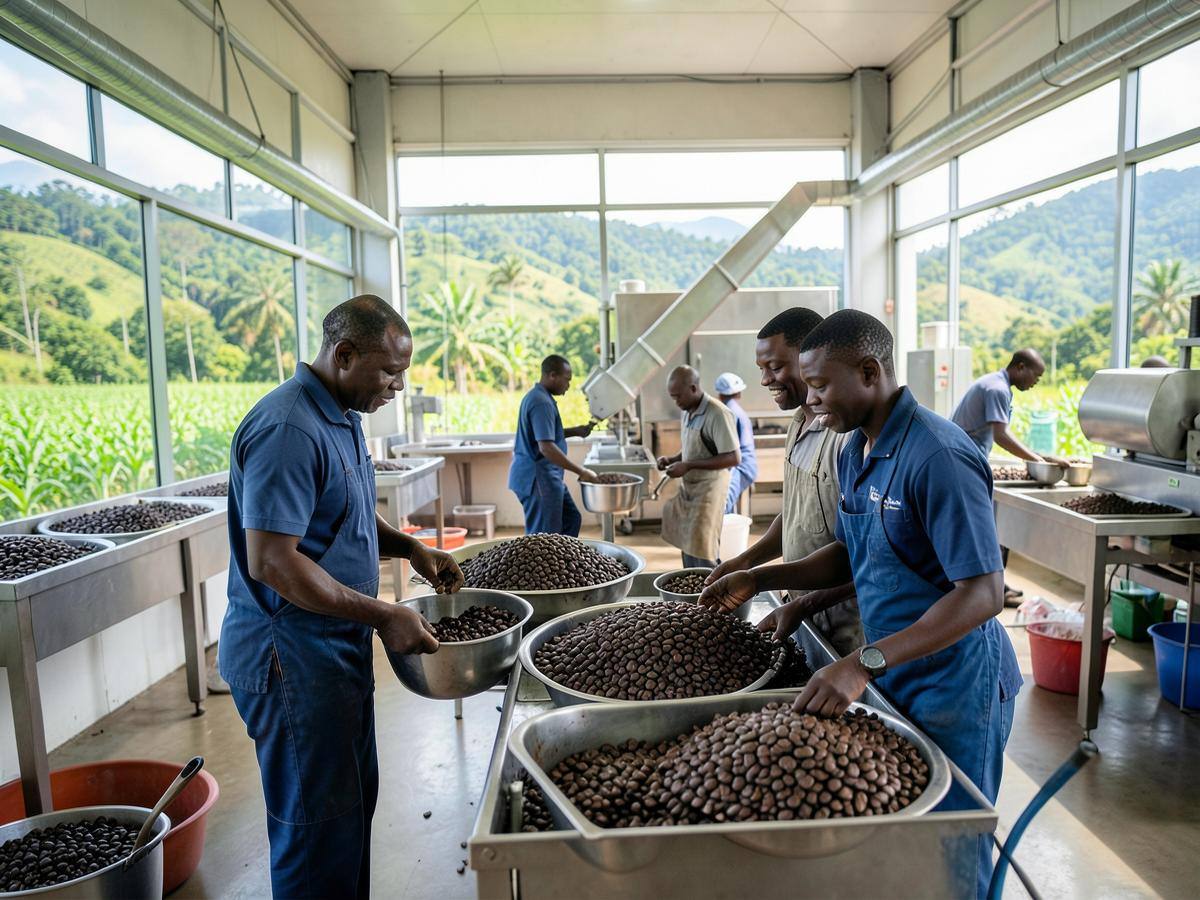
Where Rwanda is directing investment, and the incentives attached.
Leave with: A diligence-first view of sectors, incentives and the assumptions worth testing.
Read the 7 min guide
Contracts, the labour code, social security and the realities of the talent market.
Leave with: Contracts, payroll obligations and a practical approach to local capability.
Read the 6 min guide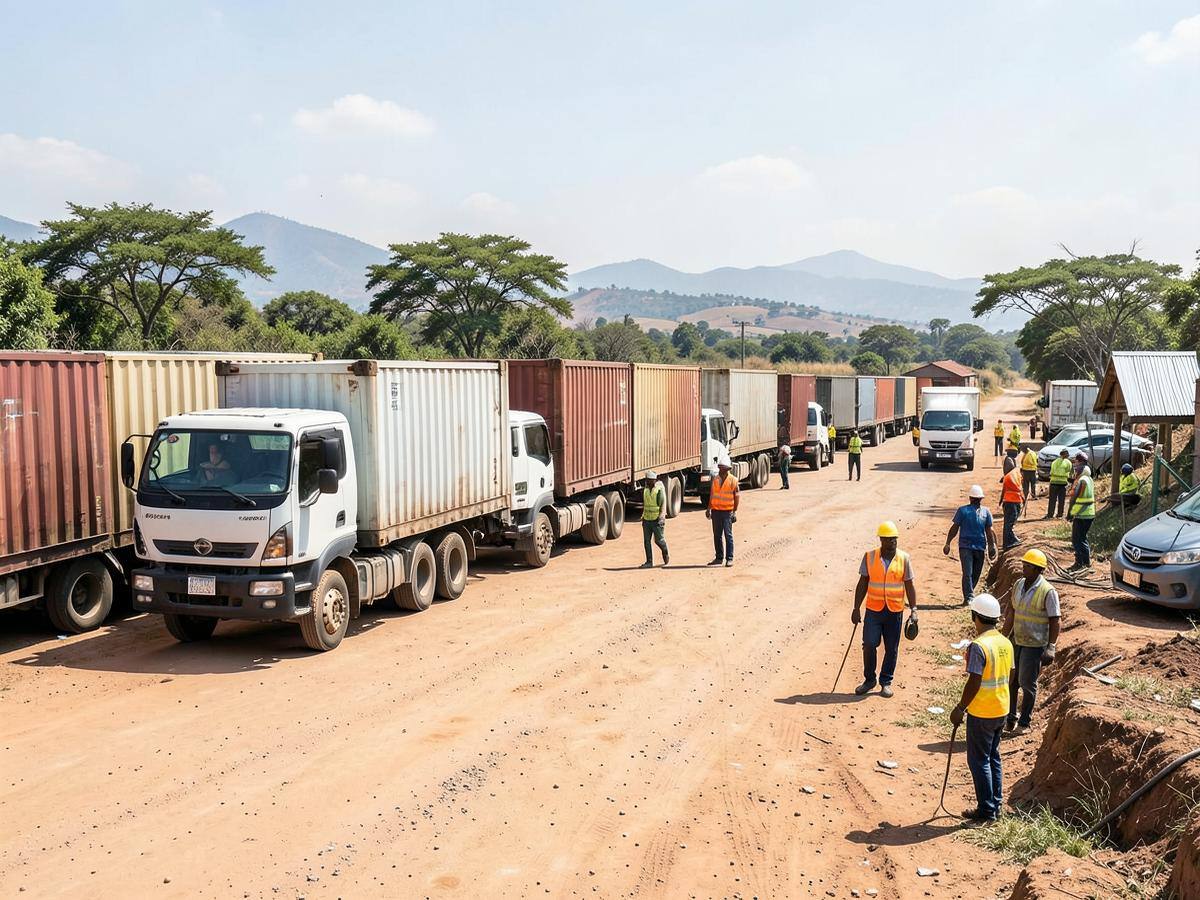
Trade corridors, customs procedures and what landlocked logistics really cost.
Leave with: Corridors, customs and standards questions for a realistic landed-cost model.
Read the 6 min guide
How international and national non-profits register, report and operate.
Leave with: Registration, annual reporting and the district relationships that matter.
Read the 6 min guideRwanda highlights manufacturing, agro-processing, tourism, technology, finance, energy, logistics, health and construction. A viable project still begins with customers, inputs and execution—not a tax promise.
Define the paying customer in Rwanda or the region before sizing premises and headcount.
Test distribution, procurement and payment terms with people already operating locally.
Price power, transport, imported components and specialist skills before relying on an incentive.
Confirm the sector regulator, licence sequence and environmental or standards approvals.
These tools organise your assumptions. They do not determine legal eligibility, tax treatment or approval.
Use the unchecked items as the agenda for your next diligence call.
USD 16,300
Planning estimate only; enter your own quoted amounts.
Export-oriented operation
Start with corridor costs, rules of origin and standards before modelling incentives.
Open the relevant guideConfirm statutory dates and obligations with the responsible authority.
Confirm current fees, thresholds and licence rules directly with the responsible institution.
Speak to customers and suppliers before signing premises or importing equipment.
Model corridor delays, foreign-exchange movement and a realistic working-capital buffer.
Put local hiring, knowledge transfer and decision authority into the operating plan.
Rules and thresholds change. Use these institutions to confirm the version that applies to your project.
Describe the project, sector and home market. We route serious enquiries to relevant Rwandan advisers and service providers; we do not promise approvals or incentives.
Research, reports and partnershipsShare enough context for us to identify the right type of support.