


Apartment blocks and houses spread across the green hills of Kigali at golden hour
Back to business advice
Real estate · Rwanda

Buying, renting and building in Rwanda

Eight chapters on land titles, leases, rent contracts, purchases, self-building, commercial space, mortgages and property tax — with four calculators to turn all of it into your own numbers.

Independent editorial guide · Sources named throughout

Land title firstEverything is titled

Rwanda has a national land register. Every serious transaction starts with checking the title at the Rwanda Land Management and Use Authority.

Leasehold, not freeholdLand tenure

Land is held under long leases from the state rather than owned outright. Check the remaining term and its conditions before you pay.

Often paid in advanceRents

Landlords commonly ask for several months, sometimes a year, up front. It is negotiable, and it belongs in a written contract.

District permissionBefore you build

Building permits, land use and zoning are handled by the district and the city authority. Approval comes before the first block is laid.

01 · The market

How property in Rwanda actually works

Rwanda's property market is small, formal and unusually well documented for the region. Almost all land is registered, transfers are recorded, and the paperwork trail is real — which protects you if you use it, and exposes you if you skip it.

Most demand sits in Kigali, where employers, schools, embassies and companies concentrate. Prices thin out quickly outside the city, and secondary towns like Musanze, Rubavu, Huye and Rwamagana have their own small markets driven by tourism, trade or a university.

Housing splits into three broad worlds. There are family compounds — a walled plot with a house, sometimes with an annexe rented separately. There are apartments, mostly newer, mostly in Kigali, aimed at professionals and expatriates. And there is land: serviced plots on the edge of towns bought to build on later, which is how a large share of Rwandan families actually acquire a home.

Deals are still relationship-driven. Listings exist but are incomplete, prices are rarely published, and the same property can be quoted at three different figures depending on who is asking. Time spent walking a neighbourhood and asking is not wasted time.

What it costs

Nothing but time. Viewing costs nothing; be wary of anyone charging a fee simply to show you a property.

Common caveat

Advertised prices are opening positions, not values. Compare at least three similar properties before you make an offer.

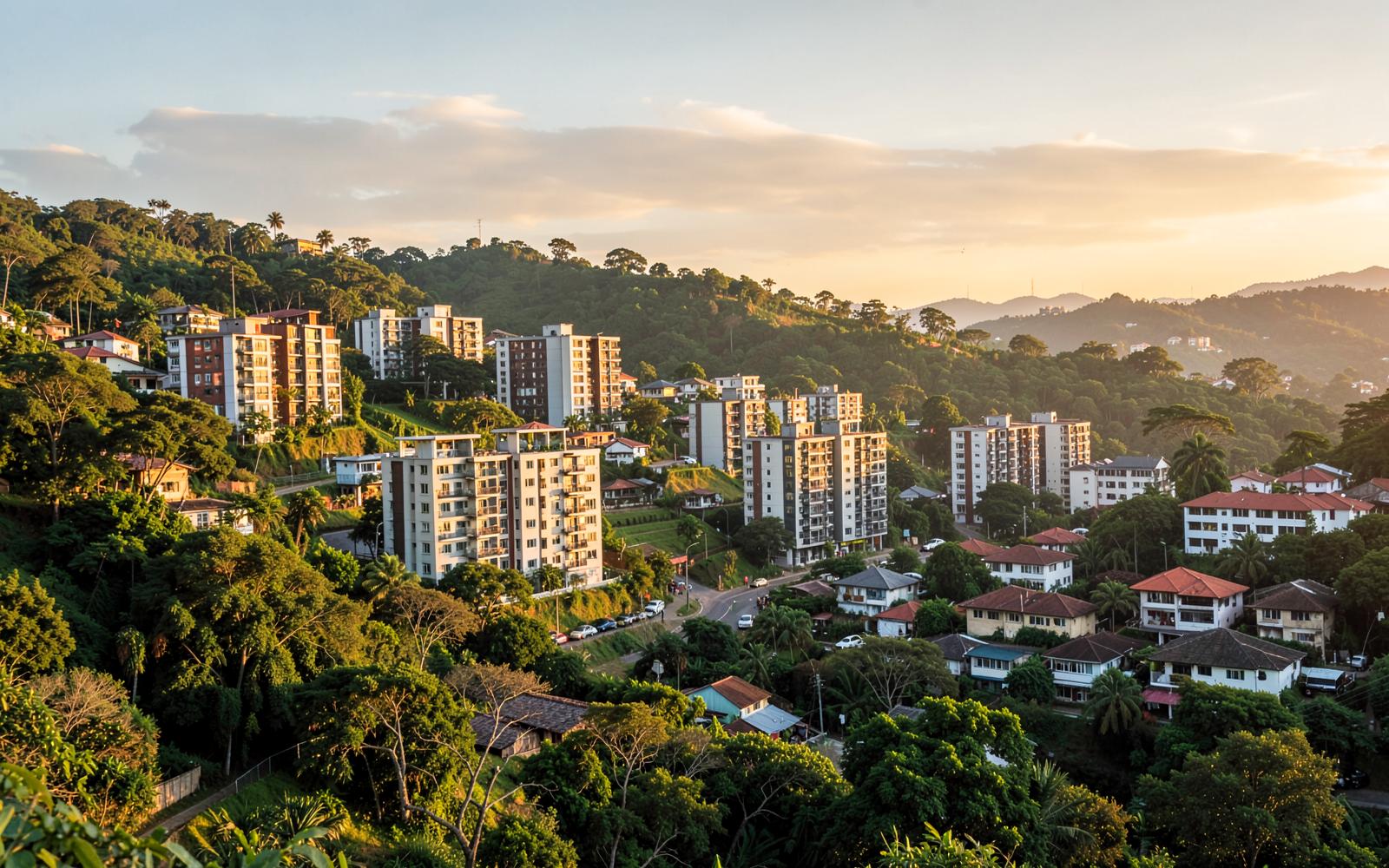
Apartment blocks and houses spread across the green hills of Kigali at golden hour
Kigali's hills: apartment blocks, family compounds and unbuilt plots sitting side by side.
02 · Land and title

Land, leases and reading a title

Land in Rwanda is held on leasehold from the state, typically on long terms, with the use written into the title. Freehold in the sense used in Europe or North America is not how the system works, and that surprises many first-time buyers.

Every registered parcel has a unique plot number (UPI) and a land title showing the holder, the size, the term remaining and the permitted use — residential, commercial, agricultural or industrial. Ask for the UPI early. It lets you verify the parcel independently rather than relying on what the seller says.

Three checks matter more than anything else. Does the name on the title match the person selling? Is the boundary on the ground the same as the boundary on the certificate? And is there a mortgage, caveat or dispute registered against it? A lawyer or a licensed land surveyor can establish all three, and the fee is small against the loss if one of them is wrong.

Agricultural or wetland parcels can carry restrictions on what you may build. Land expropriated for a road or public project is compensated, but the process is slow. If a plot is unusually cheap in a good location, assume there is a reason and go looking for it.

What it costs

A title search and a surveyor's confirmation are modest professional fees — far cheaper than a contested plot.

Common caveat

Never pay a deposit before the title has been verified in the register, however convincing the paperwork you are shown.

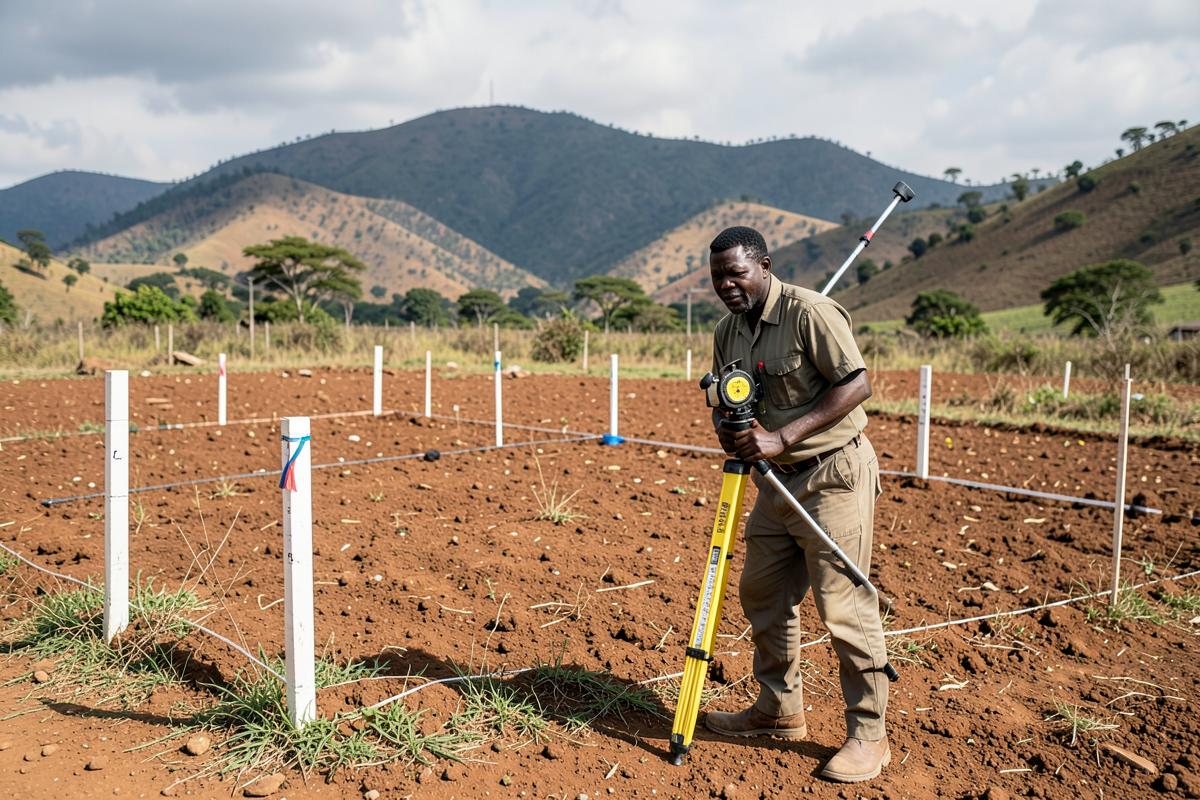
A surveyor measuring a marked-out plot of land with hills behind
A plot marked out and surveyed — the boundary on the ground should match the boundary on the certificate.
03 · Renting

Renting a home: contracts, deposits and what to inspect

Renting is the sensible first move for anyone new to Rwanda. It buys you a year to learn which neighbourhood suits you, how the commute works and what things genuinely cost before you tie up capital.

Expect to be asked for rent in advance — three, six or twelve months is common — plus a deposit. This is negotiable, particularly if you can offer a longer commitment or a company guarantee. Whatever you agree, get it written down: parties, address, rent, period covered, deposit amount and the conditions for getting it back.

Inspect properly. Run every tap and check the pressure, ask where the water tank is and how often the supply is interrupted, test the power sockets, look at the drainage during or just after rain, and check whether the road to the gate is passable in the wet season. Photograph the condition of every room on the day you move in.

Furnished apartments in Kigali cost substantially more than unfurnished houses of the same size, and utilities are usually separate. Ask specifically who pays for water, electricity, rubbish collection, security and any compound service charge — the answers vary from landlord to landlord.

What it costs

Budget the deposit plus the advance rent as one lump sum; that combined figure, not the monthly rent, is what you need on day one.

Common caveat

A verbal agreement is worth exactly what you can prove. Deposits go missing most often where nothing was signed.

A young couple viewing an empty rental apartment with the landlord
The viewing is your one chance to inspect the water, the power and the drainage before you commit.
04 · Buying

Buying a house or apartment, step by step

A purchase in Rwanda runs through a recognisable sequence: agree terms, verify title, sign a sale agreement, pay through traceable channels, then register the transfer so the title moves into your name.

Start with the title search and a valuation. A bank will insist on a valuation if you are borrowing; do one anyway if you are not, because it is the only independent view of the price you will get. Then have a lawyer draft or review the sale agreement, covering the price, the payment schedule, who clears outstanding taxes and utility bills, and what happens if either side pulls out.

Pay through the bank. Traceable payment is your proof of purchase and your protection in any later dispute. Cash handovers, however normal they may seem, leave you with nothing to point to.

The purchase is not finished when you get the keys. It is finished when the transfer is registered and the title is issued in your name. Follow that step through to the certificate, and keep the sale agreement, the payment records and the new title together in one place.

What it costs

Plan for transfer and registration charges, legal fees, valuation and agent commission on top of the price. Use the buying-cost tool below to size them.

Common caveat

Foreign buyers can hold property, but conditions apply to certain land categories. Confirm your position with a Rwandan lawyer before signing.

A buyer and an agent signing property papers across an office desk
The transfer is a registered act, not a handshake — insist on doing it properly.
05 · Building

Building your own house

Buying a plot and building is how a large share of Rwandan households get a home. It is cheaper per square metre than buying finished, and slower and more demanding than almost anyone expects.

The sequence is: buy and verify the plot, commission a design from a registered architect, obtain the building permit from the district or city authority, engage a contractor, then build in stages — foundation, walls, roof, finishing. Many families build over several years, roofing the structure first and finishing rooms as money allows.

Costs are driven by the slope of the plot and the finish level. A steep site needs retaining work and excavation before a single wall goes up, which can add a serious sum to a modest house. Cement, steel and imported fittings are the volatile lines; local brick and labour are steadier.

Supervise or pay someone to. The single most common way self-builders lose money is by leaving a site unsupervised while materials are delivered and stored. Pay contractors in stages against work completed, never fully in advance.

What it costs

Price by stage — plot, permit, foundation, structure, roof, finishing — and add a contingency of at least 15%. Every self-build overruns something.

Common caveat

Building without an approved permit risks a stop order or demolition. Approval first, foundation second.

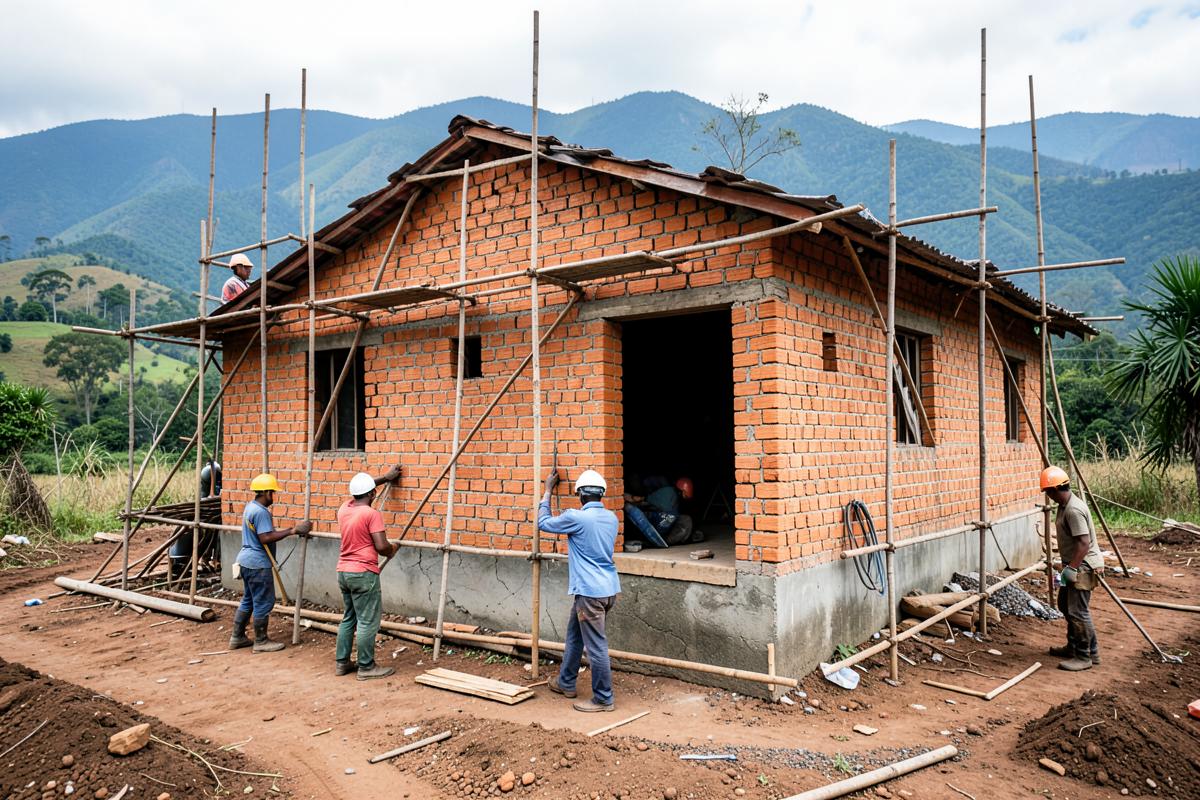
Builders working on a brick house with bamboo scaffolding in the Rwandan hills
Brick, hillside and a bamboo scaffold — the way most Rwandan homes still go up.
06 · Commercial

Offices, shops and warehouses

Commercial space follows a different logic to housing. You are buying customers, staff access and logistics, not comfort — and the wrong address costs more than the rent you saved.

For retail, footfall decides everything: the market street, the mall corridor, the busy junction. For offices, staff commute and client credibility matter most, which keeps demand concentrated in a few Kigali districts. For warehousing and light industry, road access, power supply and the special economic zone are the deciding factors.

Commercial leases run longer than residential ones and are more negotiable in the details. Push on the fit-out contribution, the rent-free period while you set up, who maintains what, and whether you may sublet or assign the lease if the business changes shape.

Check the permitted use on the title and with the district before you sign. A space zoned residential cannot simply become a restaurant because the landlord says it is fine.

What it costs

Budget the fit-out, not just the rent. Shopfront, signage, power upgrade and furniture routinely exceed a year of rent.

Common caveat

Never sign a commercial lease before your business licence position is clear. Paying rent on premises you cannot legally trade from is an expensive lesson.

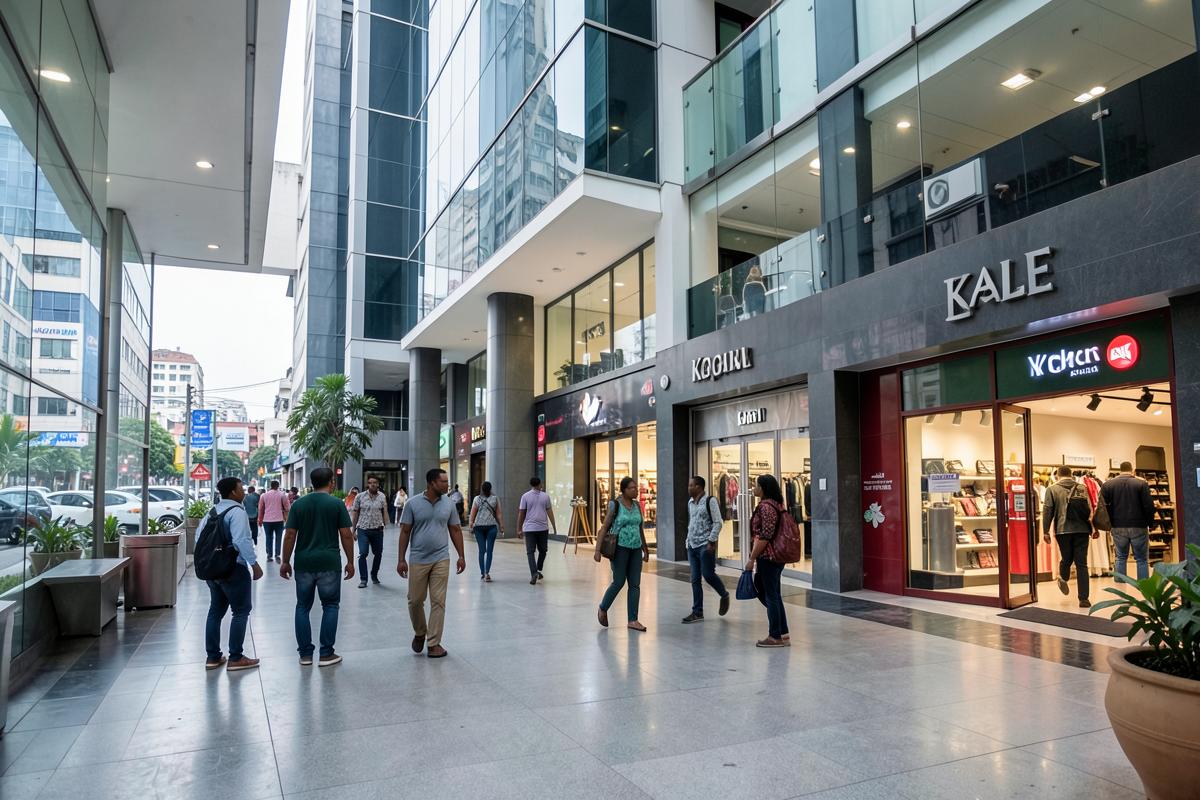
Shopfronts and office space in a modern building in central Kigali
Retail and office space in central Kigali, where footfall and address still command a premium.
07 · Finance

Mortgages, savings and paying for it

Rwandan banks do lend for property, and mortgage products have widened considerably. Terms are shorter and deposits larger than buyers from Europe or North America expect.

Lenders look at documented, regular income, an existing banking relationship, the valuation of the property being financed and your other debts. Self-employed applicants face more scrutiny and should expect to produce business accounts and tax filings, not just bank statements.

Two features shape affordability more than the headline rate: the deposit percentage and the term. A shorter term means a larger monthly payment for the same loan, and lenders here generally offer shorter terms than the 25 or 30 years common elsewhere. Use the affordability tool below to see what that does to the monthly figure.

Savings cooperatives, staff schemes and employer loans are a real alternative for smaller amounts, particularly for buying a plot to build on. Compare the effective total cost, not just the interest rate — arrangement fees, insurance and valuation add up.

What it costs

Beyond interest, expect arrangement fees, mandatory property insurance, valuation and legal costs at drawdown.

Common caveat

Rates and deposit requirements vary by bank and move over time. Get written offers from at least two lenders before committing.

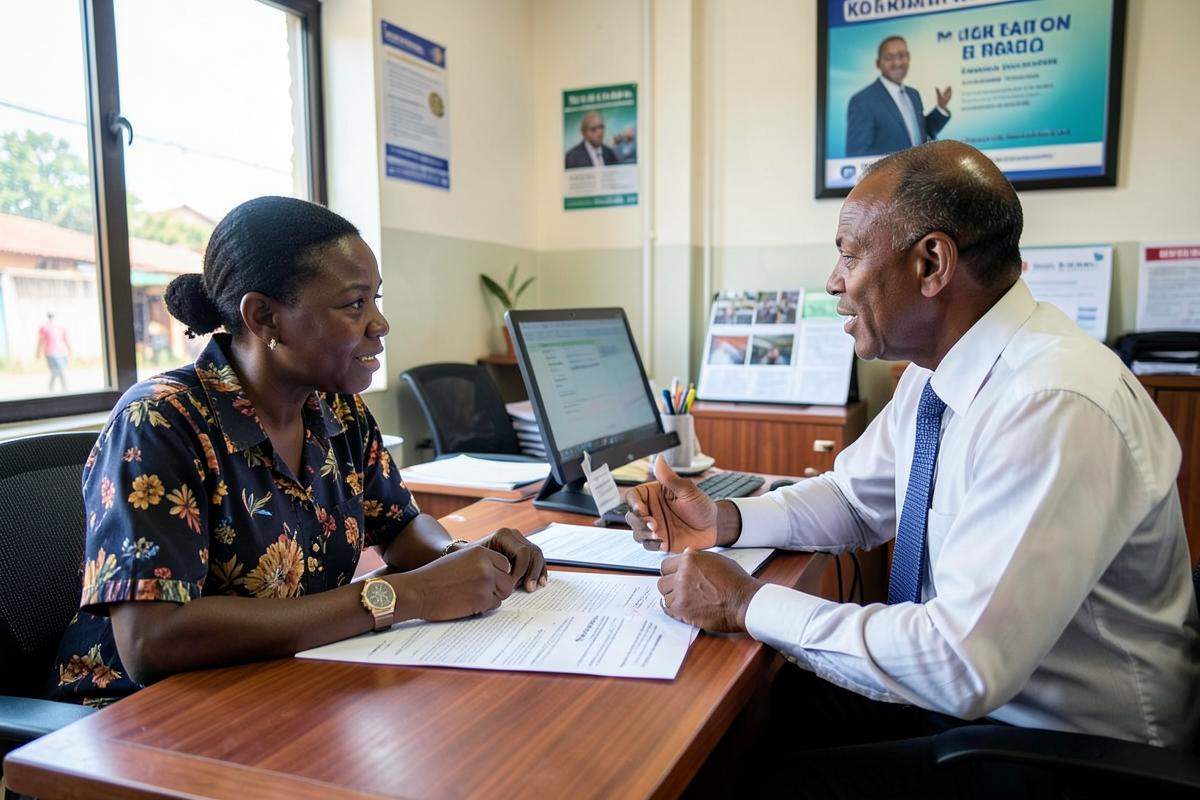
A customer discussing a home loan with a bank officer at a branch desk
Mortgage lending exists in Rwanda, but the deposit and the paperwork requirements are demanding.
08 · Taxes and rules

Taxes, landlord duties and who to ask

Owning property in Rwanda brings recurring obligations: an annual charge on immovable property, tax on rental income if you let it, and transfer-related charges when the title moves.

Rental income is declared to the Rwanda Revenue Authority. Keep every tenancy agreement, receipt and repair invoice — deductible costs only help you if you can evidence them. Register the tenancy properly rather than treating rent as informal cash.

The annual immovable property tax is administered locally and calculated on the property, with rates and reliefs set in law and revised from time to time. Do not budget on a figure a neighbour quotes you; get the current basis from RRA or your district.

On a sale, transfer and registration charges apply, and there may be tax consequences depending on how you held the property and for how long. This is the point to pay for an hour of professional advice rather than guess.

Landlords have duties as well as income: a habitable property, a written contract, proper notice, and returning a deposit where the property is left in agreed condition. Disputes go through the local authorities and the courts, and written evidence decides them.

What it costs

Treat annual property tax, insurance and maintenance as a permanent line — commonly a meaningful share of gross rent.

Common caveat

Tax rates and thresholds are revised. Every figure here is a planning aid; confirm the current position with the Rwanda Revenue Authority.

Property paperwork and a calculator laid out on a wooden desk
Rental income and property ownership both carry declarations — keep the paperwork from the start.
Don't miss

The plot number and the title register settle more arguments than any amount of confidence from a seller. Verify first, pay second — in that order, every time.

Planning desk

Work out your own numbers

Four calculators for the decisions that cost the most: what a mortgage really costs each month, what rent you can carry, what a purchase adds up to with fees, and what a rental actually returns. Everything stays on your device.

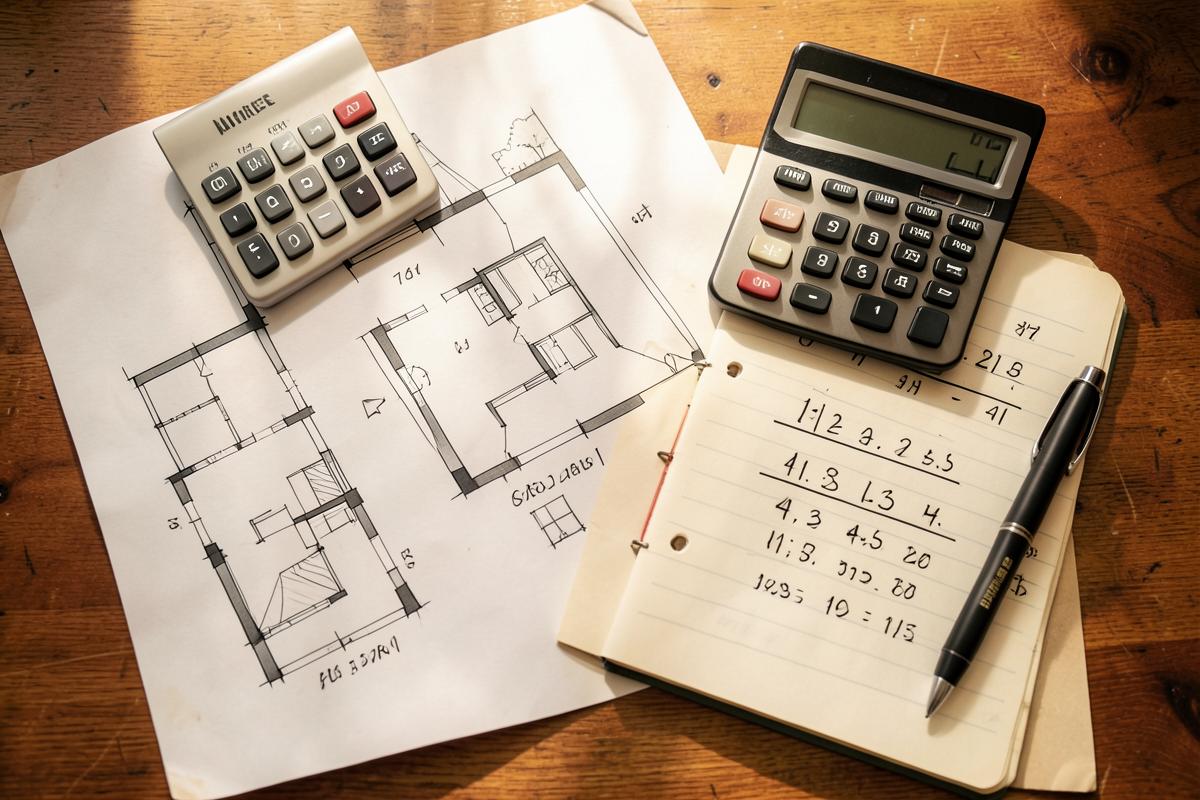
A house floor plan, a notebook of figures and a calculator on a desk
Enter figures in USD. Converted at about Rwf 1,450 to $1, checked September 2026 — the day's bank rate will differ.
Tool 01

Mortgage and affordability

What a loan of this size costs each month, and what share of your income that takes.

  • Deposit you needUSD 24,000
  • Amount borrowedUSD 96,000
  • Total repaid over the termUSD 259,841

USD 1,444 a month

That is 58% of your monthly income. Most lenders would consider this stretched. Increase the deposit, lengthen the term or look at a lower price.

Starting figures follow Rwandan home loans in 2026: roughly 15–19% a year, deposits of 20–30%, and terms of 10 to 20 years from Bank of Kigali, BPR, Equity and I&M. The central bank rate stood at 8.75% in August 2026, so mortgage pricing sits well above it. Every rate is quoted per applicant — get written offers from two banks.

Tool 02

Rent budget planner

A sensible monthly rent, and the lump sum you need on the day you sign.

USD 360 a month

The common planning benchmark: rent around a third of take-home pay.

USD 2,880 is what you need available on signing day — 6 months in advance plus a 2-month deposit.

In Kigali six to twelve months of rent up front is normal, plus a deposit of one or two months — the lump sum, not the monthly figure, is what catches people out. Advance rent is negotiable, especially on a longer lease. Put whatever you agree into a signed contract, including how the deposit is returned.

Tool 03

Buying cost estimator

The charges that land on top of the purchase price, all at once.

  • Title transfer and registrationA fixed registry charge, not a percentage. Plots under Rwf 5 million are exempt; commercial and industrial transfers cost more.USD 14Rwf 20,000 fixed
  • Notary support feePaid directly to the sector land manager or private notary who notarises the sale agreement. Private notaries charge more than sector offices.USD 21Rwf 30,000 fixed
  • Lawyer: title search and contractOptional but sensible. Covers the register check, the UPI verification and the sale agreement.USD 1,2001.0% of price
  • Valuation by a licensed valuerCompulsory where a bank is lending; usually quoted as a small percentage with a minimum fee.USD 6000.5% of price
  • Agent commissionTypically 3% in Kigali, negotiable and often paid by the seller.USD 3,6003.0% of price

USD 5,434

Total to budget alongside the price: USD 125,434.

Registry and notary charges are fixed amounts set by the land authority; professional fees are the negotiable part. The seller, not the buyer, carries capital gains tax on the profit. Fixed charges are the published land-authority amounts; professional fees are planning assumptions, so ask each professional for a written quote.

Tool 04

Rental yield calculator

What a property actually returns once voids and running costs are taken out.

  • Rent collected a yearUSD 8,492
  • After tax, repairs and managementUSD 5,945
  • Gross yield8.7%

5.4% net yield

A reasonable return if the property holds its value and the tenant stays.

Kigali long lets commonly show a gross yield of roughly 6–10%, and furnished or short-let places more with much higher running costs and emptier months. Running costs should include rental income tax, immovable property tax, insurance, repairs, agent management (usually around a tenth of rent) and any service charge.

Mistakes to avoid

Six ways property deals go wrong here

Paying a deposit before the title check

The cheapest hour you will ever spend is the one a lawyer takes to confirm the seller is the registered holder.

Trusting a boundary that was never surveyed

Fences move. Certificates do not. Have a licensed surveyor confirm the two agree.

Paying in cash

Bank transfers create the paper trail that protects you if the deal is later disputed.

Budgeting only the price

Transfer charges, legal fees, valuation and commission are real money and always arrive at once.

Building before the permit

An unapproved structure risks a stop order, a fine, or worse, at the point you have spent the most.

Letting informally

Undeclared rent with no written contract leaves you exposed to both the tenant and the tax authority.

Questions buyers ask

Straight answers

Can a foreigner own property in Rwanda?

Foreign nationals and foreign-owned companies can hold property in Rwanda, subject to conditions that depend on the land category and its registered use. Because those conditions matter in practice, confirm your specific position with a Rwandan lawyer before you sign anything.

What is the difference between a title and a sale agreement?

A sale agreement is the contract between you and the seller. The title is the state's record of who holds the land. You are not the owner until the transfer is registered and the title is issued in your name.

How much deposit do I need for a mortgage?

Lenders in Rwanda typically require a substantial deposit and offer shorter terms than buyers from Europe or North America are used to. Requirements differ between banks and change over time — get written offers from at least two.

Is it cheaper to build than to buy?

Per square metre, usually yes — and it takes far longer and demands supervision. Steep plots, imported finishes and unsupervised sites are what erase the saving.

How much rent should I pay in advance?

Several months up front is common and often a year is asked for. It is negotiable, especially with a longer commitment. Whatever you agree, put the amount and the period in a signed contract.

Where do I check that a plot is genuine?

Ask for the plot number (UPI) and have the title verified in the national land register through a lawyer or the land authority. Confirm the boundary on the ground with a licensed surveyor.

Source desk

Where to verify

Fees, tax rates and land rules are revised. Confirm the current version with the institution responsible before you commit money.

Rwanda Land Management and Use AuthorityLand titles, plot numbers, registration and transfer of land.
District and City of Kigali one-stop centresBuilding permits, zoning, permitted use and local property charges.
Rwanda Revenue AuthorityRental income tax, immovable property tax and transfer-related charges.
Rwanda Development BoardCompany registration for property-holding companies and investment questions.
Licensed banks and microfinance institutionsMortgage terms, deposit requirements and property insurance.
Rwanda Bar Association members and licensed surveyorsTitle verification, sale agreements and boundary confirmation.
Property desk

Looking for a place, a plot or a professional?

Tell us what you are trying to do — rent, buy, build or let — and we point serious enquiries towards the right Rwandan agent, lawyer or surveyor. We do not sell property, hold deposits, or promise prices or approvals.

Ask a property question

Share the town and what stage you are at so we can point you to the right help.

We share enquiries only with providers relevant to your request.