Before you fill in any form, decide what you are actually creating: a one-person enterprise, a company limited by shares, a partnership, or a branch of a foreign company. That choice follows you into tax, banking and liability.
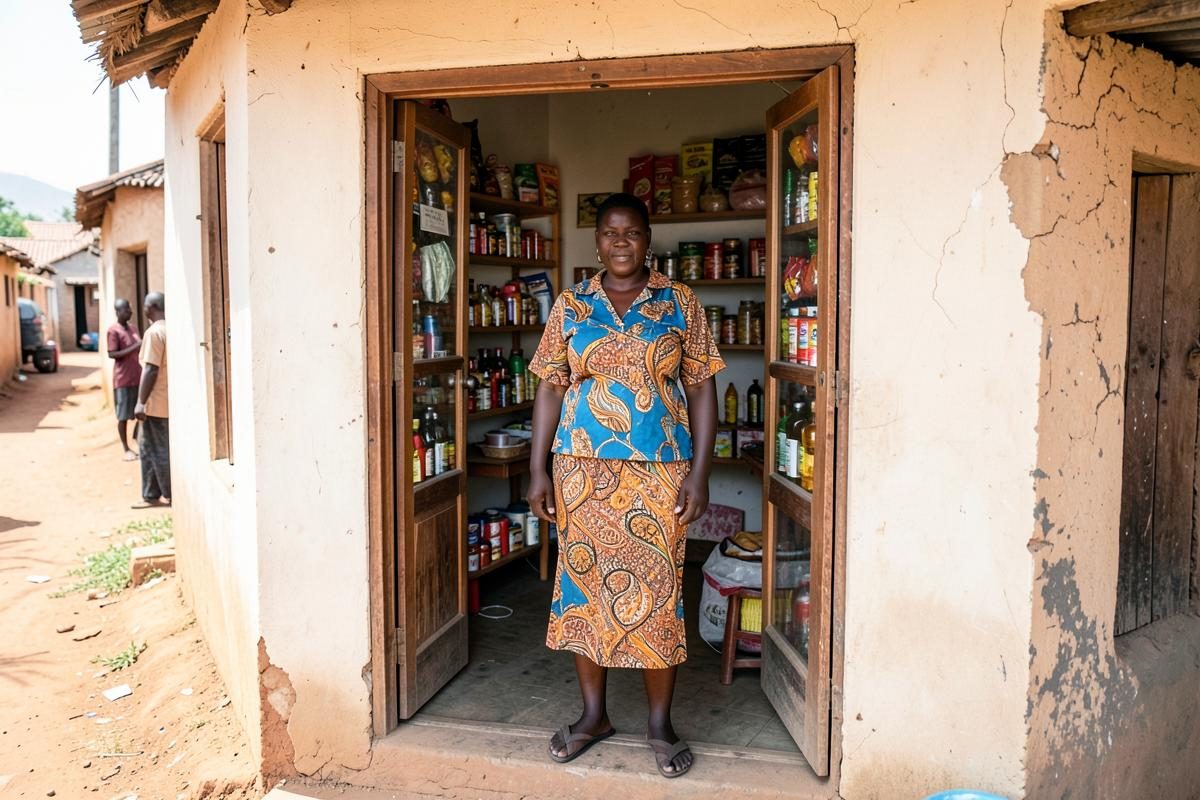
An enterprise registered in your own name is the fastest and cheapest route, and it suits a market stall, a salon or a single-person consultancy. Its weakness is that there is no line between your money and the business's money — a debt or a court claim reaches your personal assets.
A domestic company limited by shares takes slightly longer to set up and expects proper books, but it separates you from the business, makes shareholding and investment possible, and reads better to banks, landlords and tender committees. Most ventures that intend to hire, borrow or bid should start here.
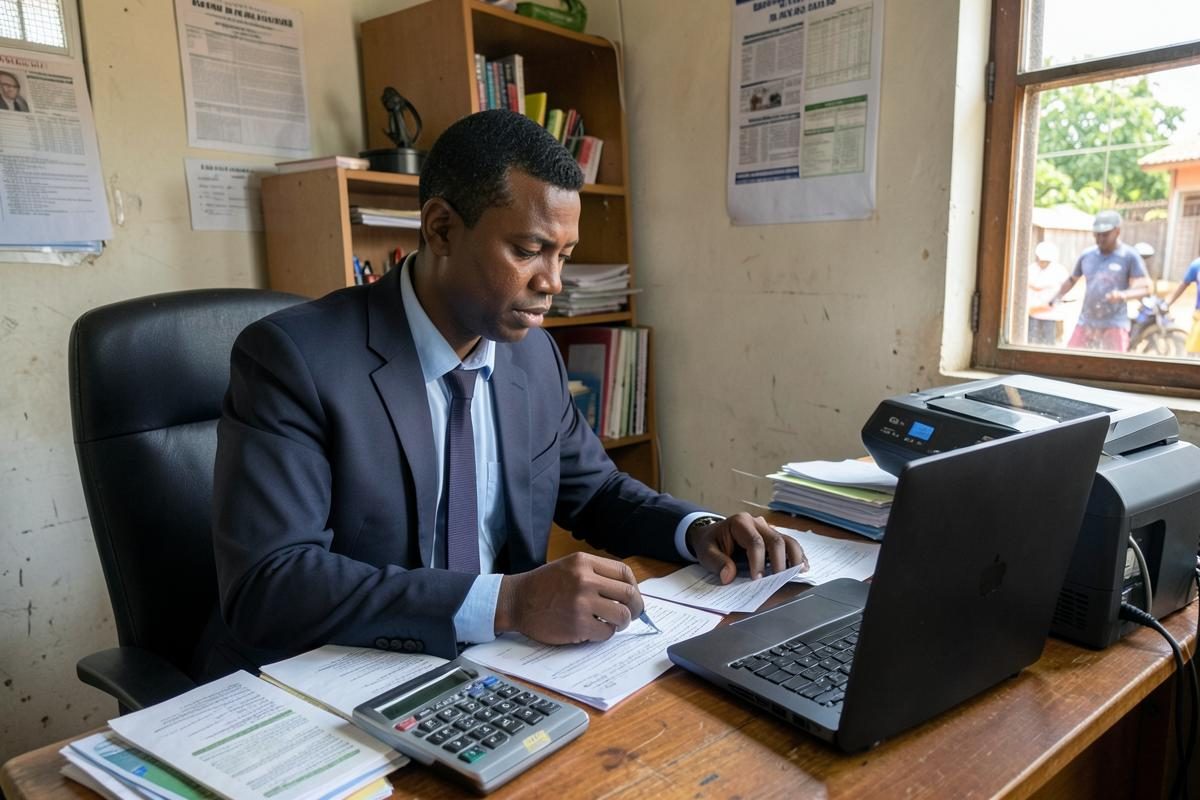
Registration runs through the Rwanda Development Board's online business registration service. You reserve a name, submit the details of directors and shareholders, and receive a certificate of incorporation together with a taxpayer identification number. Keep the certificate, the TIN and the memorandum in one folder — almost every step that follows asks for one of them.
Straight after registration, open a bank account in the business name, register with the Rwanda Social Security Board if you will have staff, and only then start signing leases or ordering equipment.