
A road winding through the hills of Rwanda
Back to Travel & Tourism

Rwanda · Practical tips

Visas, laws, safety and health: what to know before you land

The rules Rwanda actually enforces, the entry regime as it stands today, and the health precautions worth arranging at home — each section sourced to the official body that sets it.

Entry rules and health advice change. Treat this as a briefing, then confirm against your own government's advisory and the Rwandan immigration site before you book. Last reviewed September 2026.

Entry

Visas and entry requirements

Rwanda runs one of the most open entry regimes on the continent. Nobody is turned away for lacking a visa in advance — the only question is what you pay and how long you get.

Visa on arrival for everyone

Since January 2018, nationals of all countries receive a visa on arrival at Kigali International Airport and at every land border. You can still apply online through the Directorate General of Immigration and Emigration if you prefer a printed approval.

Free 30 days for many nationalities

Citizens of African Union, Commonwealth and Francophonie member states are waived the visa fee for visits of up to 30 days. East African Community citizens receive a free entry pass, normally valid six months.

Standard paid visas

Everyone else pays the published fee on arrival: a single-entry visit visa of up to 30 days, or a multiple-entry visa of up to 90 days at a higher fee. Fees are payable by card or in US dollars at the border desk.

East Africa Tourist Visa

If you are combining Rwanda with Kenya and Uganda, the joint East Africa Tourist Visa gives 90 days multiple-entry across all three countries and must be applied for through the first country you enter.

At the desk

Carry a passport valid at least six months with a blank page, proof of onward travel, and an address for your first night. Yellow fever certificates are checked when you are arriving from a risk country.

Sources: Rwanda Directorate General of Immigration and Emigration · Rwanda Development Board — Entering Rwanda

Local law

Laws and customs that catch visitors out

Rwanda enforces a handful of rules far more strictly than neighbouring countries. None of them are hard to follow once you know they exist.

No plastic bags

Single-use plastic bags and most plastic packaging are banned nationwide. Bags are removed from luggage at the airport, so repack in cloth or paper before you fly.

Photography restrictions

Do not photograph government buildings, the airport, military or police personnel and installations, or prisons. Ask before photographing people, especially at memorials, where photography is usually forbidden entirely.

Umuganda

On the last Saturday of every month, from 8am to 11am, the country stops for community work. Shops close, traffic is restricted and tourist activity is limited. Plan travel days around it.

Genocide memorials

Genocide denial and revisionism are criminal offences. Dress and behave conservatively at memorial sites, keep phones away and follow guides' instructions.

Drones, drugs and smoking

Drones require prior authorisation from the civil aviation authority. Drug offences carry heavy sentences, and smoking is banned in public indoor spaces.

LGBT travellers

Same-sex relations are not criminalised in Rwanda, but public attitudes remain conservative and open displays of affection between any couple attract attention.

Sources: UK FCDO Rwanda travel advice — local laws and customs · Government of Canada — Rwanda travel advice

Safety

Staying safe on the ground

Rwanda is among the safest countries in the region for visitors, and most trips pass without incident. The sensible precautions are ordinary ones.

Crime

Violent crime against tourists is rare. Pickpocketing and bag snatching happen in Nyabugogo bus park, crowded markets and busy nightlife areas. Keep phones out of sight in traffic and use hotel safes.

Border regions

Several governments advise against travel to areas along the border with the Democratic Republic of the Congo and Burundi. Check your own government's advisory before booking anything in the far west or south-west.

Roads and motos

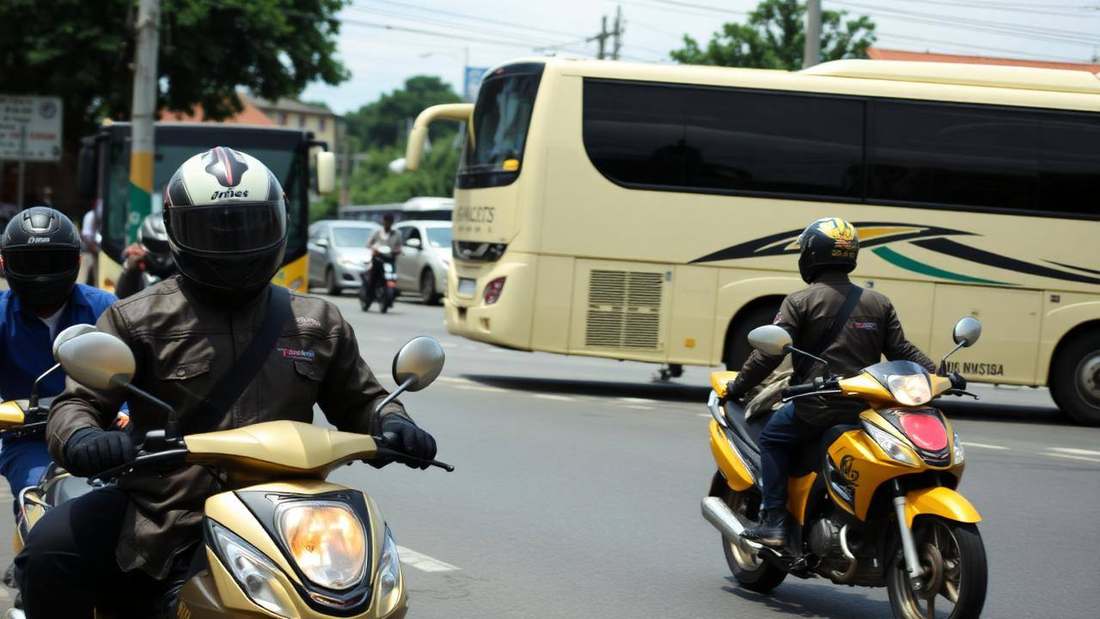
Road traffic is the biggest practical risk. Moto taxis must provide a helmet — insist on it, use metered apps where possible, and avoid intercity motorbike travel after dark.

Money and scams

Change money at banks or licensed forex bureaux, never on the street. Mobile money and card payments are widely accepted in Kigali; carry small franc notes upcountry.

Emergencies

Dial 112 for police and 912 for medical emergencies. Register with your embassy if you are staying for an extended period.

Sources: UK FCDO Rwanda travel advice — safety and security · Government of Canada — Rwanda safety

Health

Vaccinations, malaria and medical care

Kigali has good private clinics and pharmacies; rural districts do not. Arrange cover before you travel rather than after something happens.

Yellow fever

A yellow fever certificate is required for travellers arriving from, or transiting more than 12 hours through, a country with risk of transmission. Carry the card with your passport.

Routine and recommended vaccines

Health authorities recommend being up to date on routine immunisations plus hepatitis A and typhoid for most travellers, with hepatitis B, rabies and meningitis considered for longer or rural stays.

Malaria

Malaria is present throughout the country year round, with higher risk in the eastern lowlands around Akagera and the Kivu shoreline. Take prophylaxis as prescribed, use repellent at dusk and sleep under a net where one is provided.

Water and food

Drink bottled or filtered water. Cooked food from busy buffets is generally safe; be more careful with unpeeled fruit and cold dishes outside the main towns.

Altitude and trekking fitness

Volcanoes and Nyungwe treks start above 2,000 metres and involve steep, muddy climbs. Allow a day to acclimatise and be honest with the park about your fitness.

Insurance and evacuation

Take travel insurance that explicitly covers gorilla trekking, high-altitude hiking and medical evacuation. Serious cases are usually flown to Nairobi.

Sources: US CDC — Rwanda traveller health · Rwanda Ministry of Health

Quick answers

Do I need a visa before flying to Rwanda?

No. Nationals of every country are issued a visa on arrival at Kigali International Airport and at all land borders. African Union, Commonwealth and Francophonie citizens pay nothing for a 30-day visit, East African Community citizens get a free six-month pass, and everyone else pays the standard fee on arrival or applies online through the immigration portal beforehand.

Is Rwanda safe for solo and female travellers?

Rwanda has one of the lowest violent-crime rates in Africa and walking in central Kigali at night is normal. The realistic risks are petty theft in crowded markets and bus parks, road traffic, and the western border areas near the DRC, which several governments advise against visiting.

Are there laws tourists commonly break?

Yes, three: single-use plastic bags are banned and confiscated at the airport, photographing government buildings, airports, military sites and police is prohibited, and Umuganda community service on the last Saturday of each month closes shops and roads from 8am to 11am.

What vaccinations do I need?

A yellow fever certificate is required if you are arriving from or transiting a country with risk of transmission. Health authorities also recommend being current on routine vaccines plus hepatitis A and typhoid, and taking malaria prophylaxis, which is advised for the whole country year round.

Need help with the paperwork side of a trip?

Tell us your dates and nationality and we'll route you to licensed Rwandan operators who handle permits and transfers.

We share enquiries only with providers relevant to your request.