
Wildlife · Reintroduced
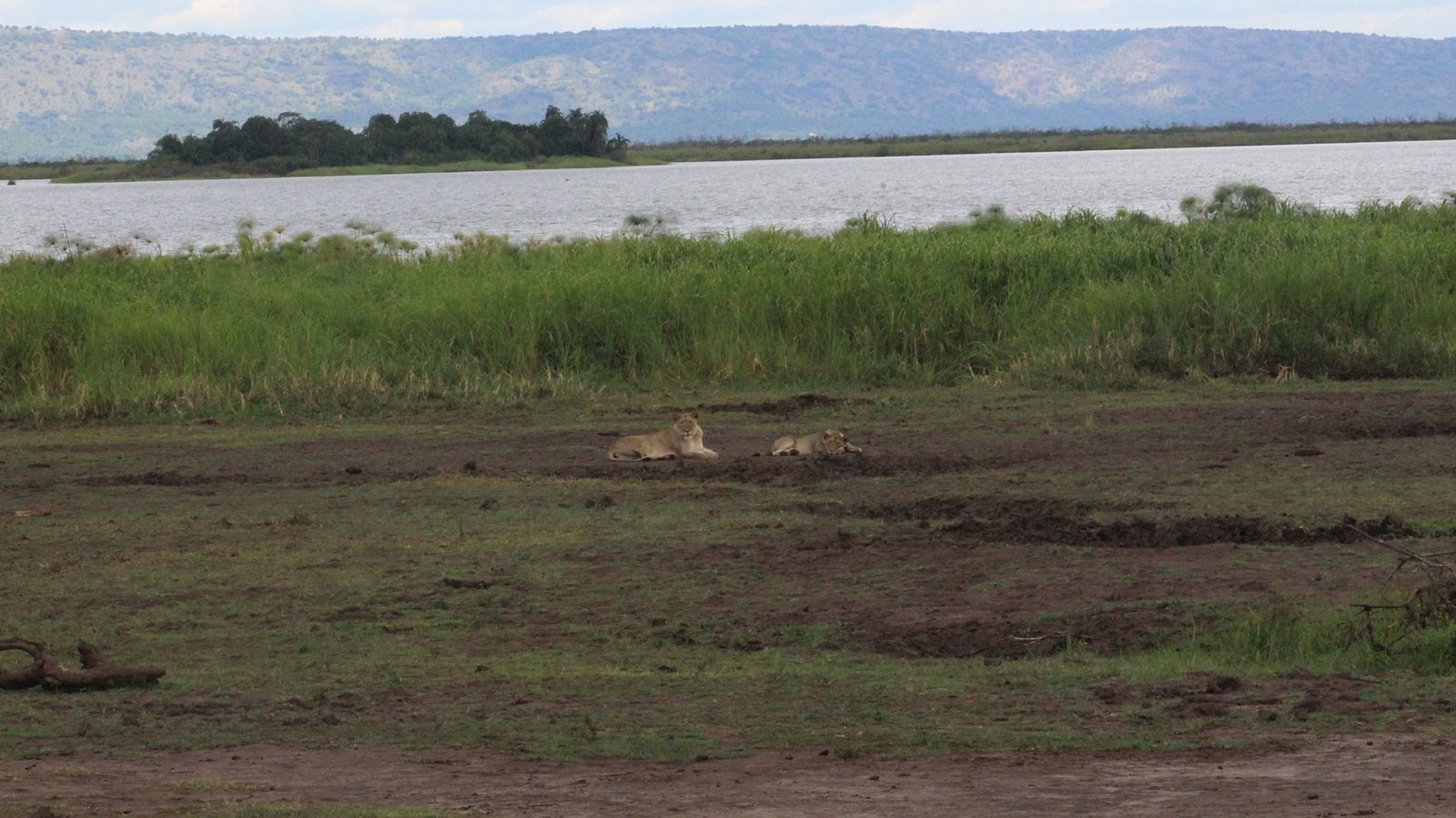
Lion
Look early and look under trees. Akagera's lions often disappear into shade as the day warms, then become active again late in the afternoon.
Where
Eastern Rwanda, on the Tanzania border
From Kigali
About 2.5–3.5 hours to the southern gate
Landscape
Lakes, papyrus, woodland and open savannah
Ideal length
2 nights / 3 days
Signature scene
Lake Ihema at sunset
Wildlife
Big Five, hippos and 490+ bird species
Roads
Mostly dirt tracks; 4x4 recommended
Best first drive
Early morning from the south
Akagera changes the picture most visitors carry of Rwanda. The north is volcanoes and cloud forest; here, near the eastern border, the country opens into long grass, papyrus wetlands and a chain of lakes that catches the late light. You are still in the land of a thousand hills, but the hills have stepped back to make room for sky.
The park is small enough to feel navigable and wild enough to keep its secrets. A morning drive may bring giraffe, zebra and impala in quick succession, then go quiet for an hour before a lion appears under an acacia. On Lake Ihema, the boat gets you below the horizon line: hippos, crocodiles and fish eagles become the soundtrack rather than an item on a checklist.
Akagera is also one of Africa's clearest conservation recovery stories. After decades of pressure, the park's restoration has brought back lions and black rhinos, strengthened protection and built a more deliberate relationship with neighbouring communities. Come for the animals; pay attention to the work that makes the animals possible.
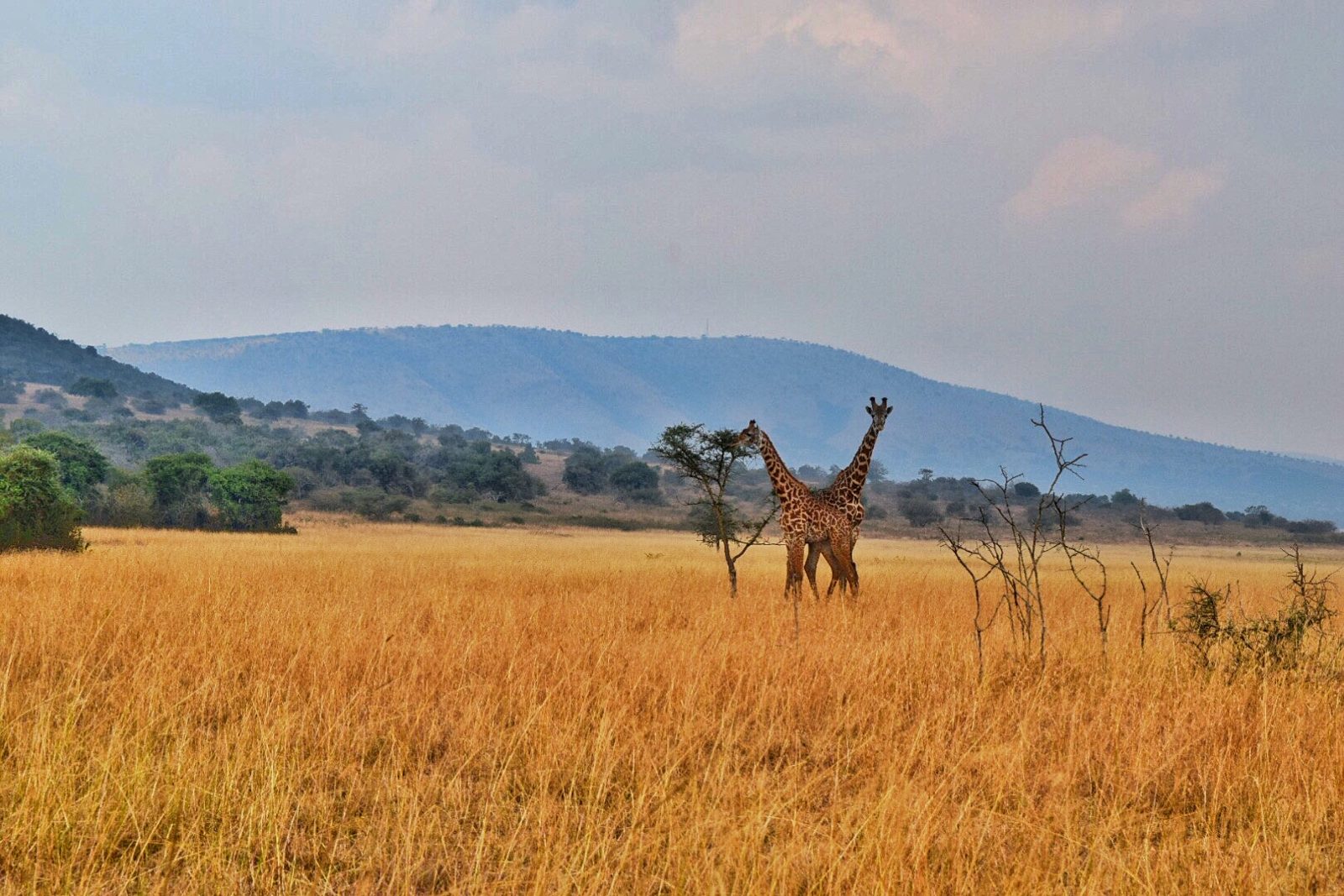
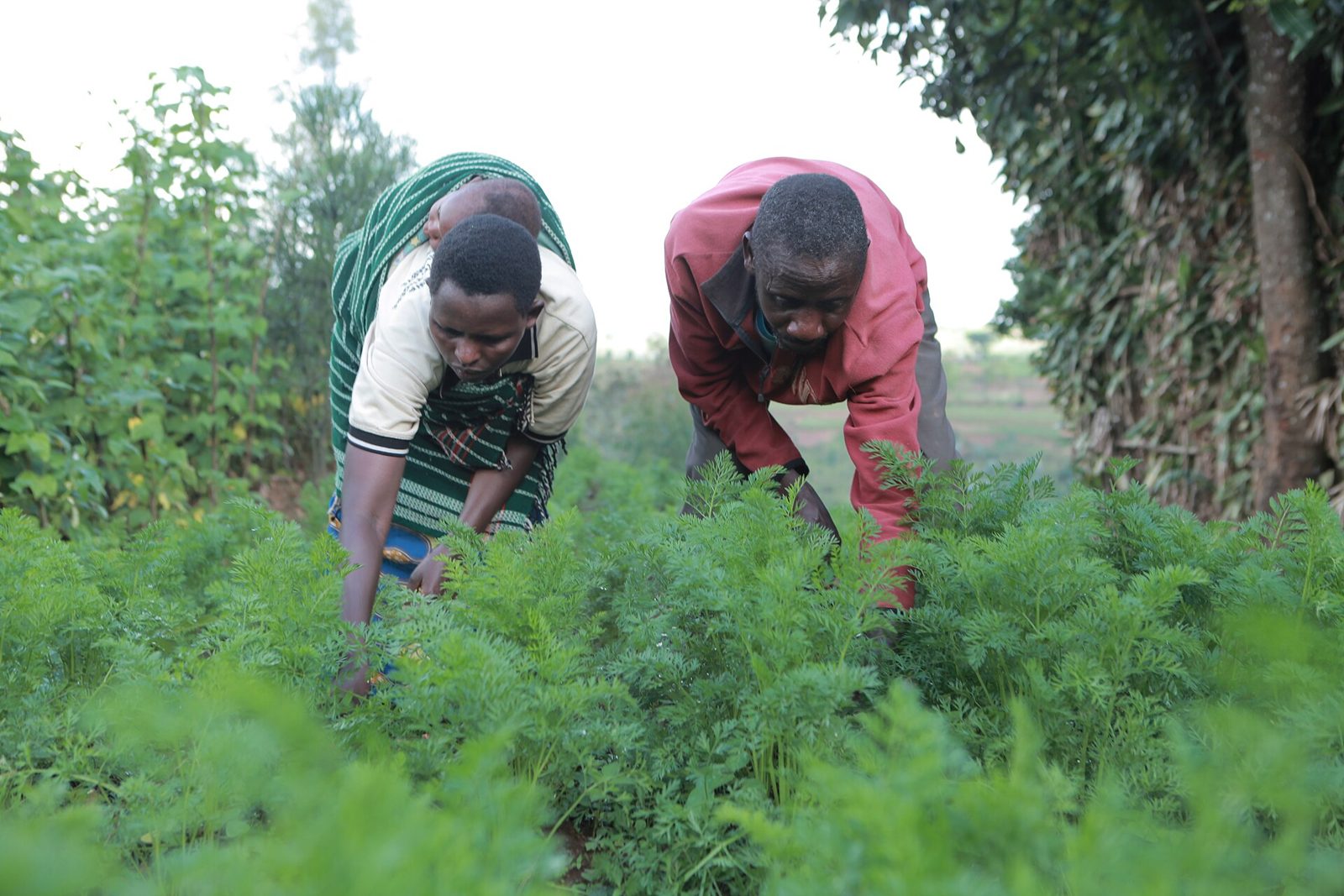
Akagera is managed as a working conservation landscape, not a scenery backdrop. The park's story is about restoration, patient protection and finding a practical way for tourism to support people living at its edge.
Akagera's appeal is not only the possibility of a lion in the grass. It is the visible result of a long conservation effort: a protected landscape made more secure, wildlife brought home and tourism shaped around a park that has to work for its neighbours.
That context changes the way the safari feels. A guide is not simply searching for a photograph; they are reading a recovered ecosystem. The healthiest morning is one where you see many small signs before you see a headline animal.
2009
African Parks began working with the Rwanda Development Board to restore management, wildlife protection and park infrastructure.
2015
Seven lions were reintroduced, followed by a growing population that has made the park a true Big Five destination again.
2017
Eighteen eastern black rhinoceros were reintroduced, reconnecting Akagera with a species absent from Rwanda for more than a decade.
Today
Rangers, researchers and community partners continue to protect the park while tourism helps fund jobs, services and coexistence.
The joy is in the variety: open grassland, papyrus marsh, woodland and water all within one park.
Wildlife · Reintroduced
Look early and look under trees. Akagera's lions often disappear into shade as the day warms, then become active again late in the afternoon.
Wildlife · Resident herds
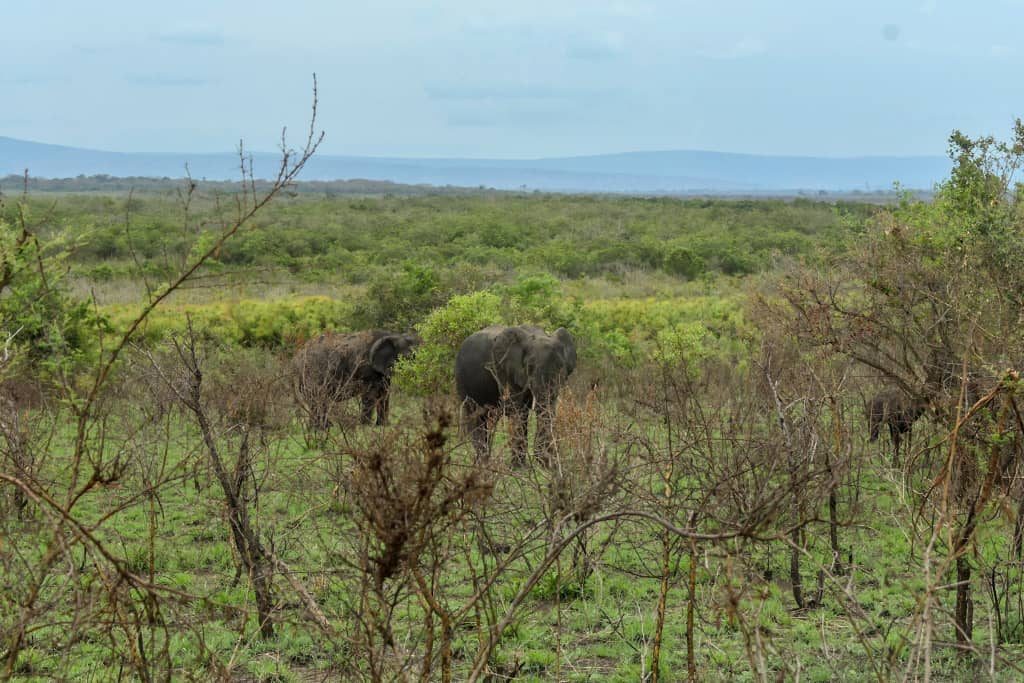
Elephants move between woodland and water. Give them space on narrow tracks and let the guide position the vehicle rather than chasing the herd.
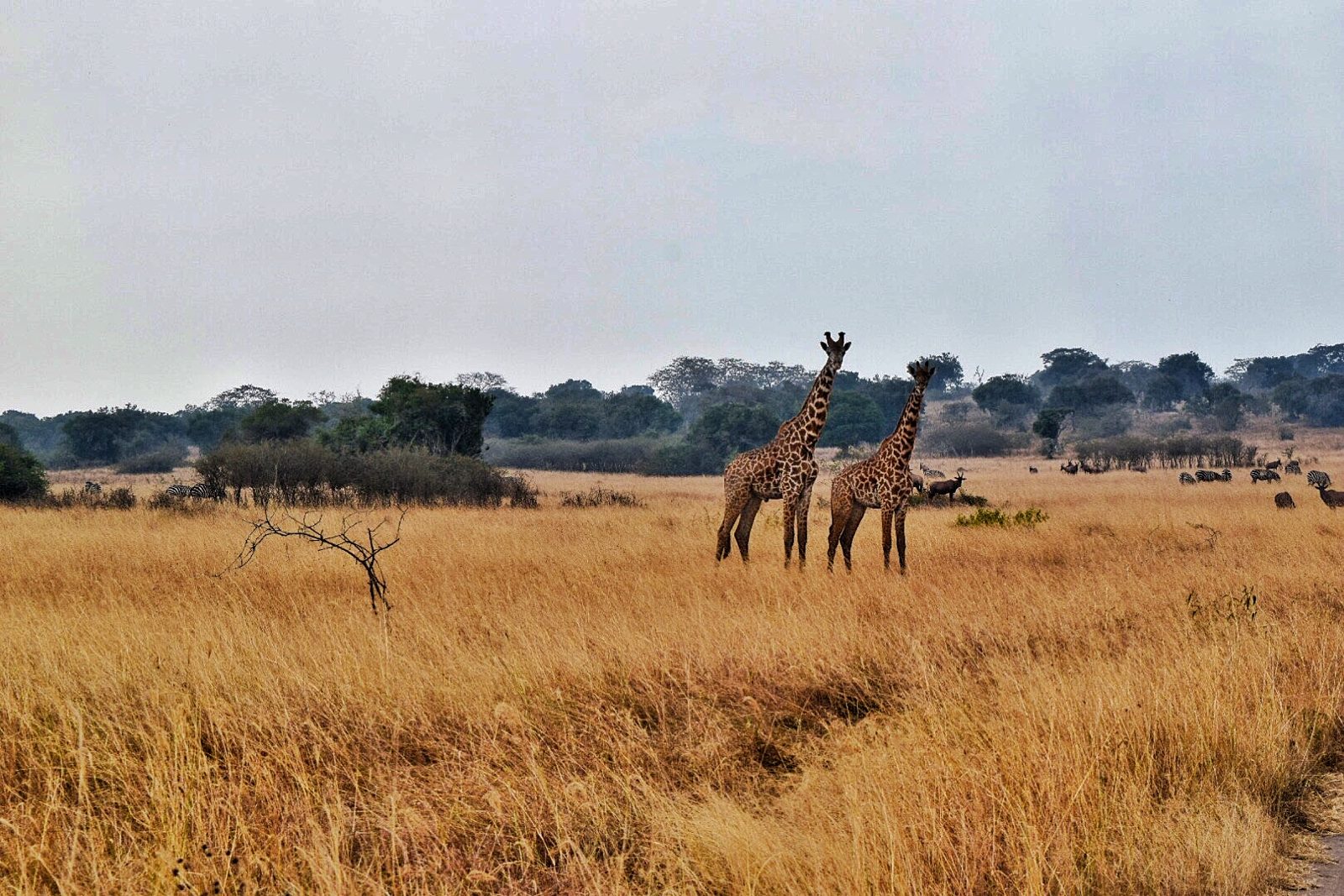
Wildlife · Easy to spot
The giraffe is Akagera's reliable skyline: scan beyond the nearest bushes and you will often find a family moving between the trees.
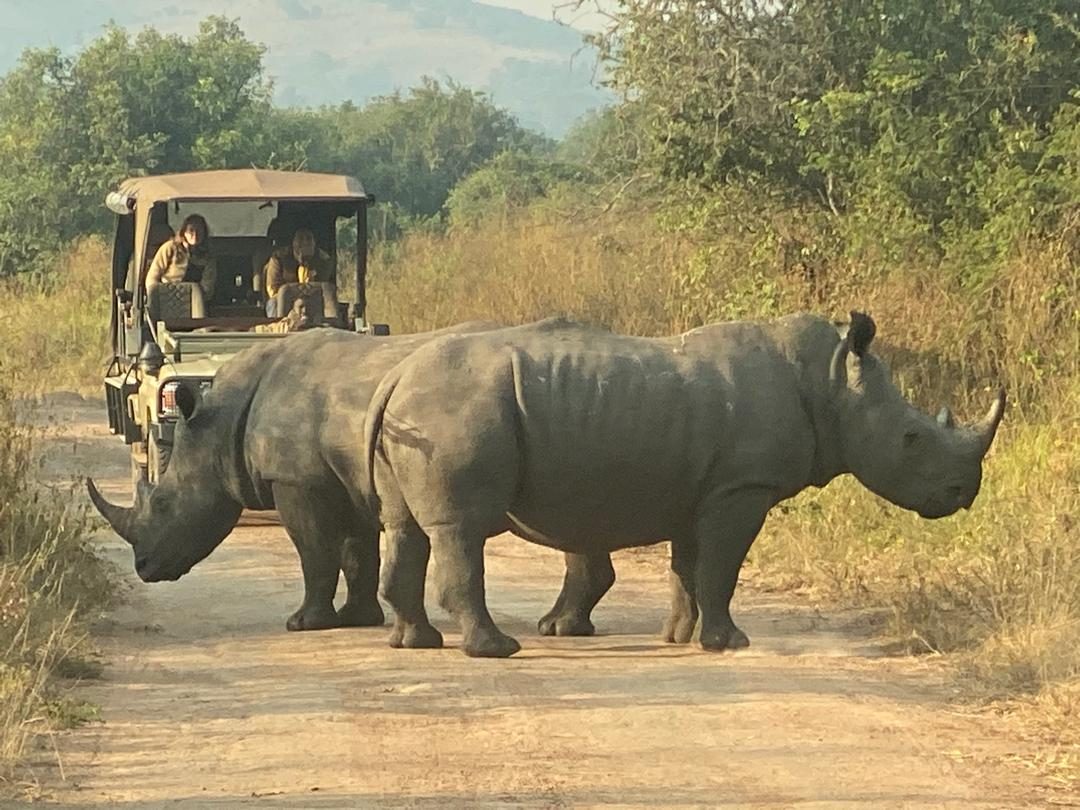
Wildlife · Reintroduced
Rhino sightings are never guaranteed. A quiet vehicle, a skilled guide and a willingness to wait matter more than a packed schedule.
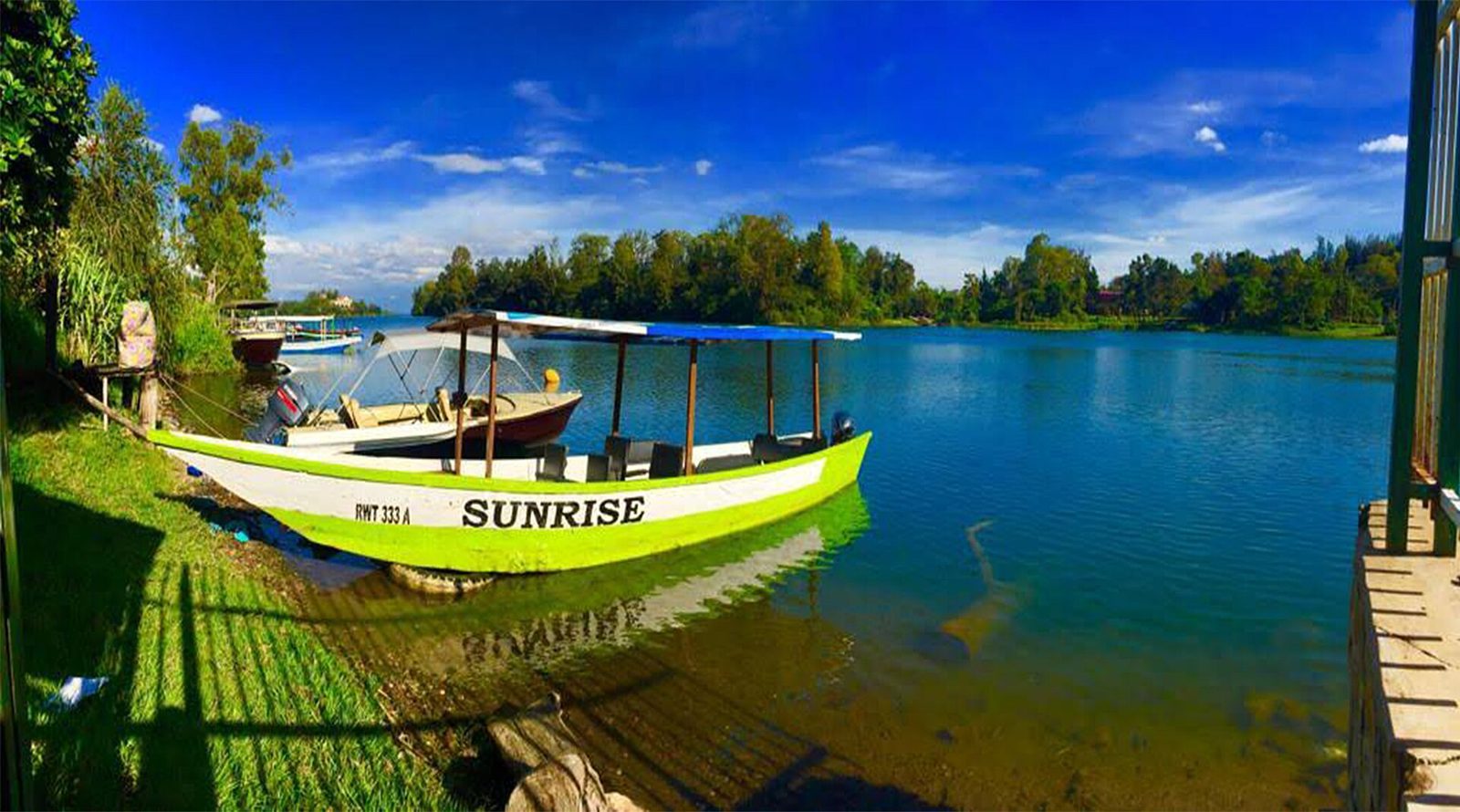
Wildlife · Lake specialists
The Ihema boat is the best way to see hippos at eye level, crocodiles on the banks and waterbirds threading through the papyrus.
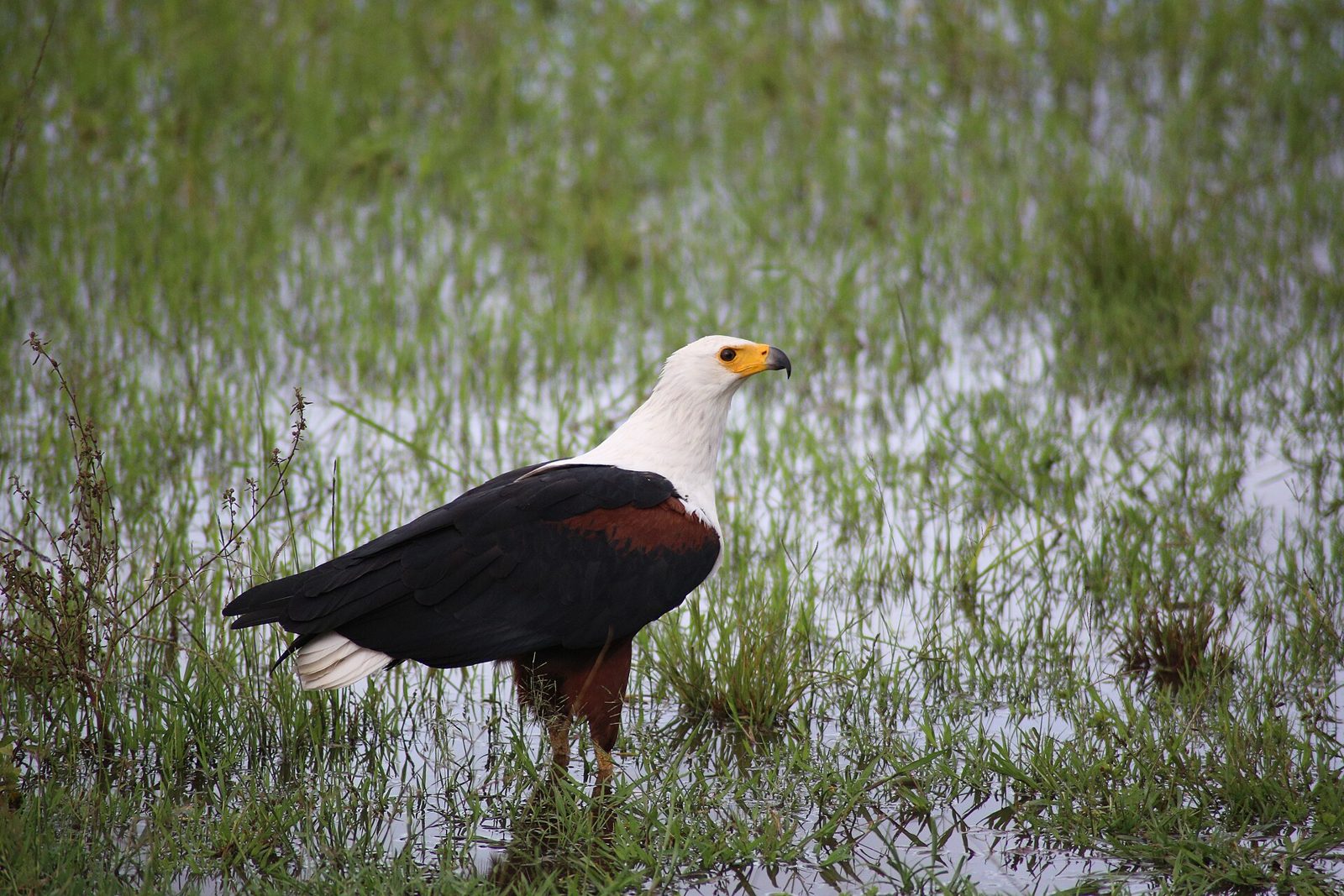
Wildlife · 490+ species
Akagera is one of Rwanda's essential birding stops. The papyrus swamps hold shoebill, papyrus gonolek, fish eagles and a long list of migrants.
A good Akagera day is not all driving. Change your pace, change your angle and let the park breathe between sightings.
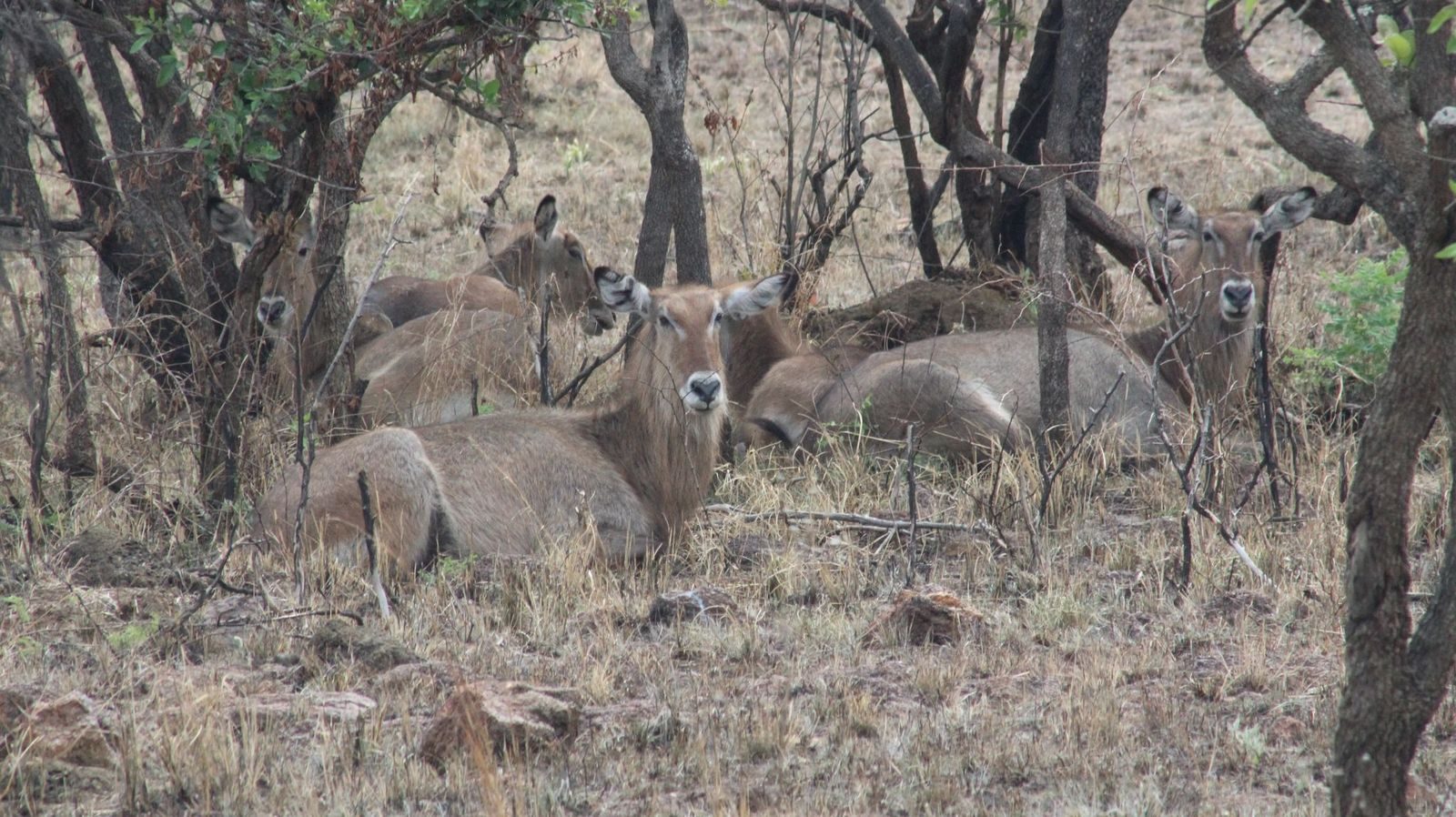
Safari · Day game drive
4–7 hours
The classic Akagera day starts before the heat. With a guide, you read fresh tracks, follow the lakes and stop for the small things as much as the headline animals.
Planning note
Ask for an early start and a packed breakfast. The first two hours are usually the most productive.
Boat safari · Lake Ihema
About 2 hours
Leave the vehicle behind and move slowly along the lake edge. Hippos, crocodiles and fish eagles are close, while the shore regularly delivers zebra and buffalo views.
Planning note
Sunset departures are beautiful but fill quickly. Reserve the boat when you book your park day.
Safari · Night drive
2–3 hours
A spotlight reveals a different park: genet, bushbuck, hare and the reflective eyes of predators. Night drives are guided and follow designated routes.
Planning note
Bring a warm layer. The open vehicle cools quickly after sunset, even in the east.
Birdwatching · Wetlands
Half or full day
Papyrus swamps, lakes and woodland create a remarkable mix of habitats. Specialist birding is rewarding here even when mammals are quiet.
Planning note
A local bird guide and a pair of binoculars will add more to the day than a longer drive.
Conservation · Behind the scenes
Half day
Where available, conservation experiences offer a closer look at monitoring, ranger work and the decisions behind keeping a restored park healthy.
Planning note
Book through the park's official channels and ask what is operating in your travel season.
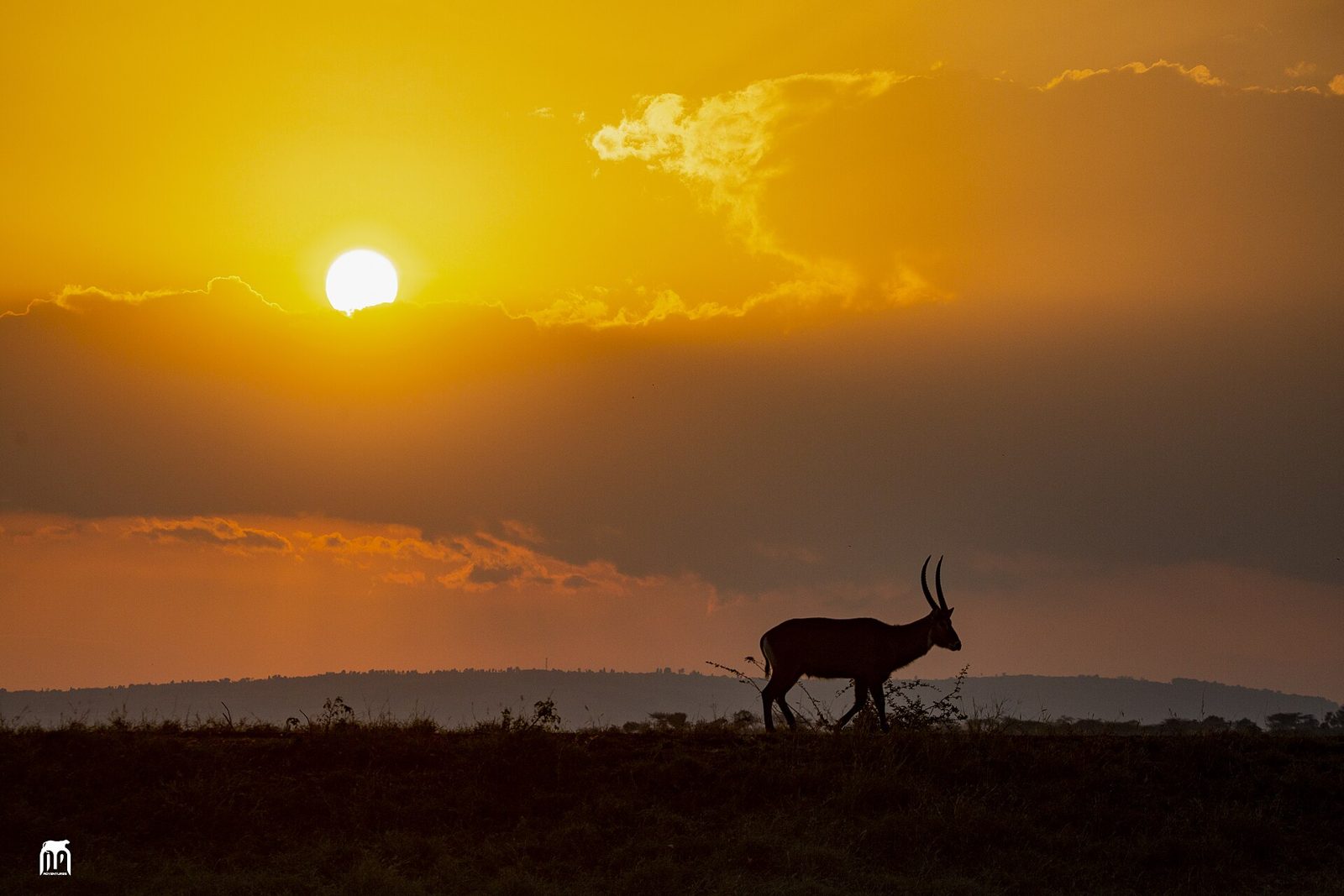
Fishing · Designated waters
Half day
Fishing is a calm alternative to a full safari day, usually focused on catch-and-release tiger fish in designated waters and with local guidance.
Planning note
Confirm seasonal rules, permitted lakes and equipment arrangements before leaving Kigali.
These are planning ranges in USD, not live quotations. Entry categories, activity fees, accommodation rates and vehicle arrangements vary by season and nationality; confirm the current tariff with Akagera Management Company, your lodge or a licensed operator before paying.
Private 4x4 with driver-guide, two nights, a boat safari and relaxed park time.
Fees vary by nationality, activity, lodge and season. Ask for a line-by-line quote that separates park entry, vehicle, guide, boat, accommodation, meals and transfers. Last checked: August 2026
Choose your base by the kind of morning you want: inside the park, beside the lake or close to the southern gate.
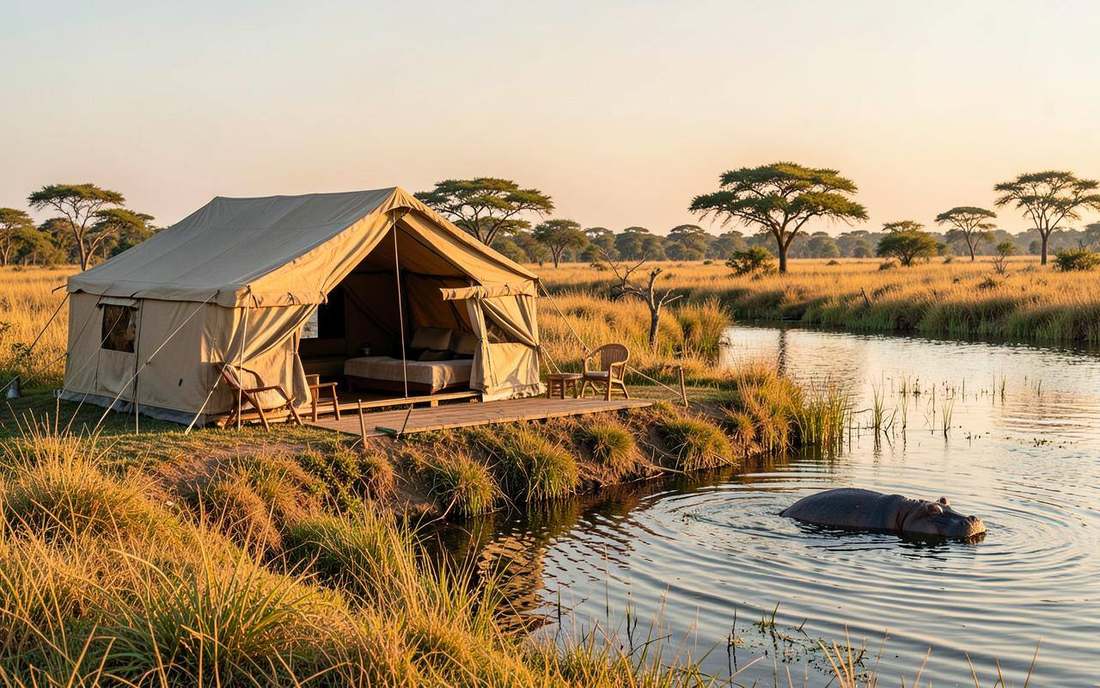
Where to stay · Signature
Northern lakes / private concession
A small, design-led camp with a strong sense of place, guiding and views of the northern lakes. Choose it for a quieter safari stay; request a quote that explains transfers, activities and meals rather than comparing room prices alone.
Illustrative stay setting · confirm property photos before booking.
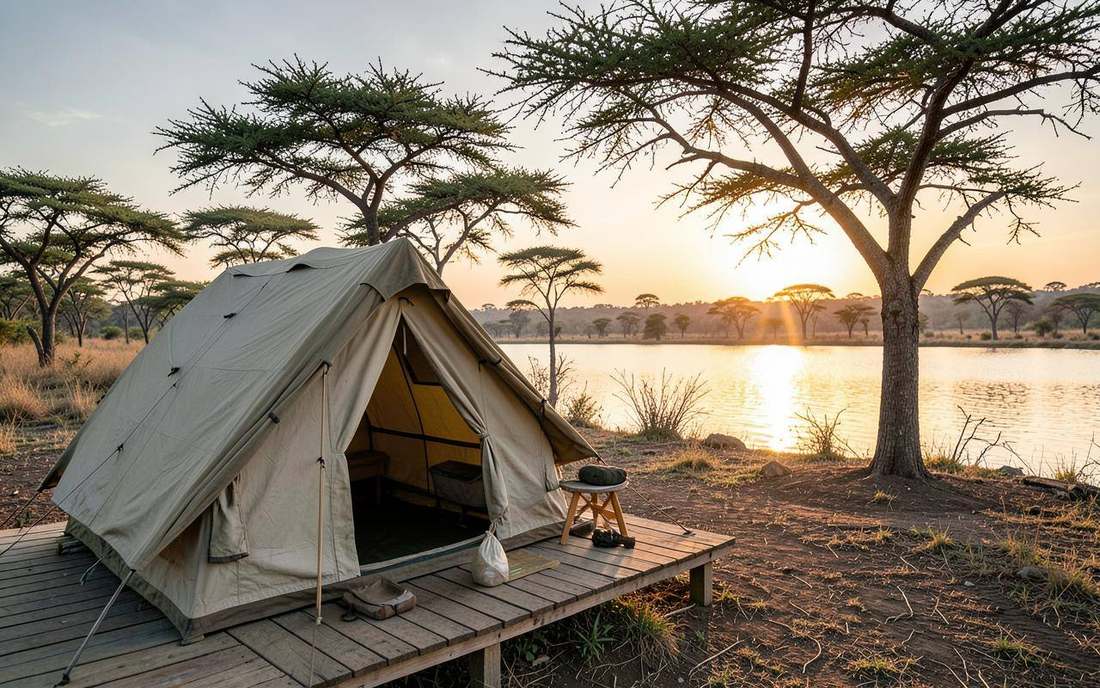
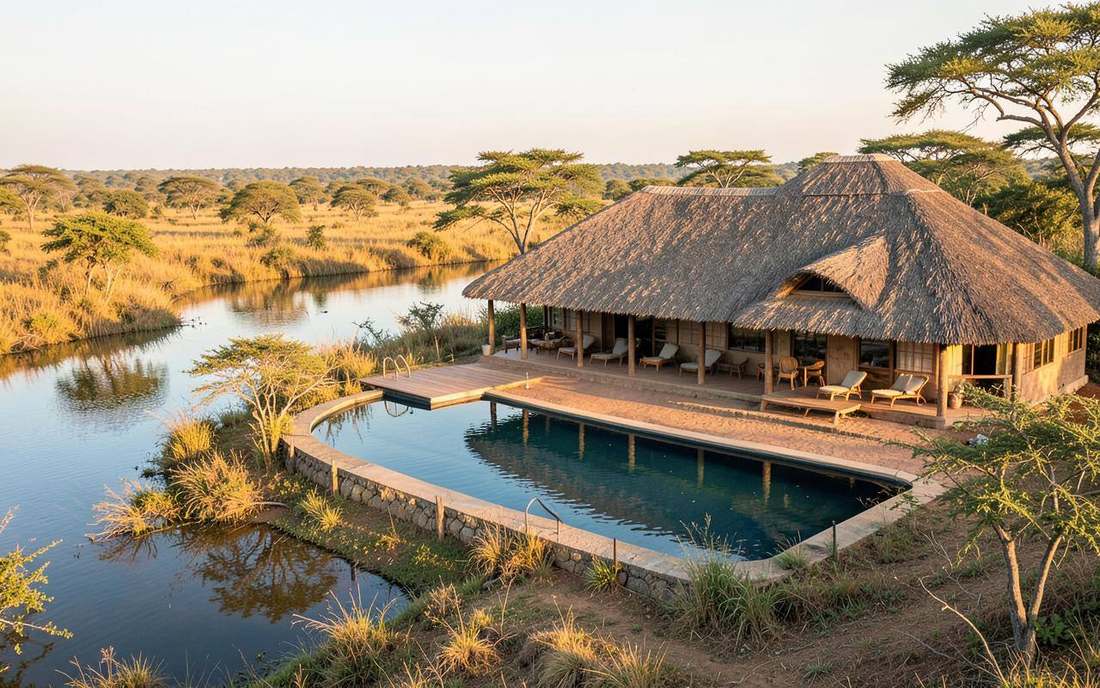
Where to stay · Comfortable
Lake Ihema / park interior
The location makes water and wildlife part of the stay. Tented rooms and a lakeside setting suit an unhurried two-night safari. Coordinate your game drive and boat reservations with the lodge before arrival.
Illustrative stay setting · confirm property photos before booking.
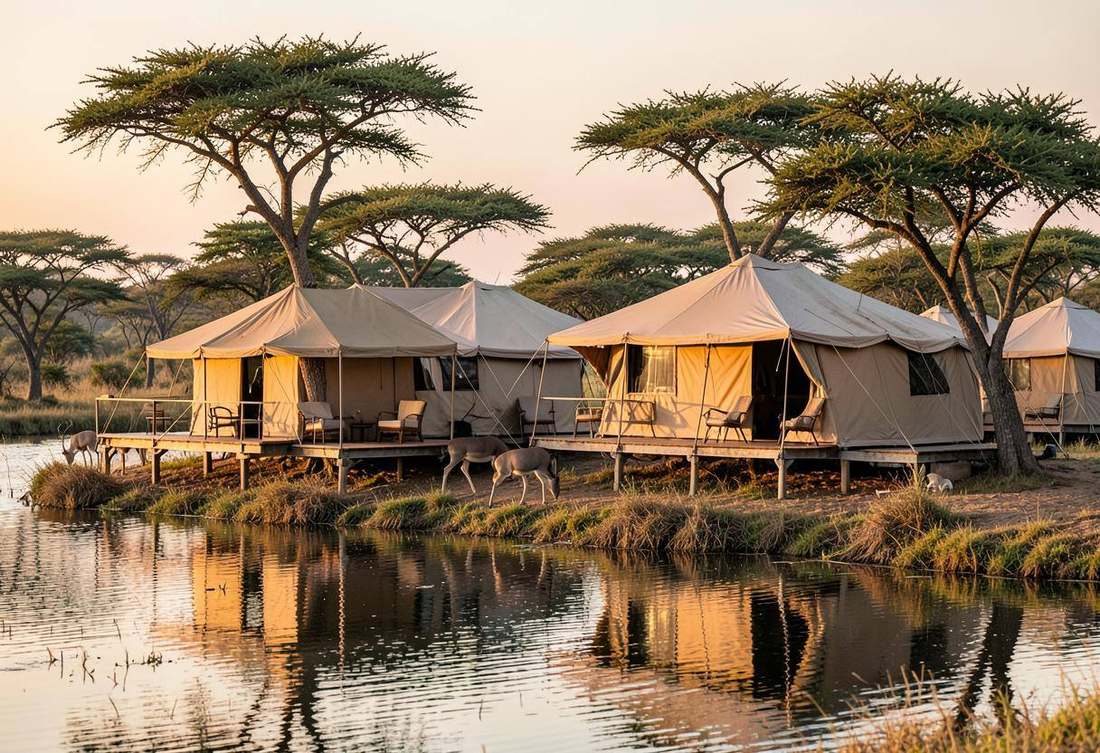
Where to stay · Comfortable
Southern park area
A practical base for early starts and more conventional hotel facilities. Confirm the route to your first game drive and whether vehicle, guide, park entry and meals are included in the quoted stay.
Illustrative stay setting · confirm property photos before booking.
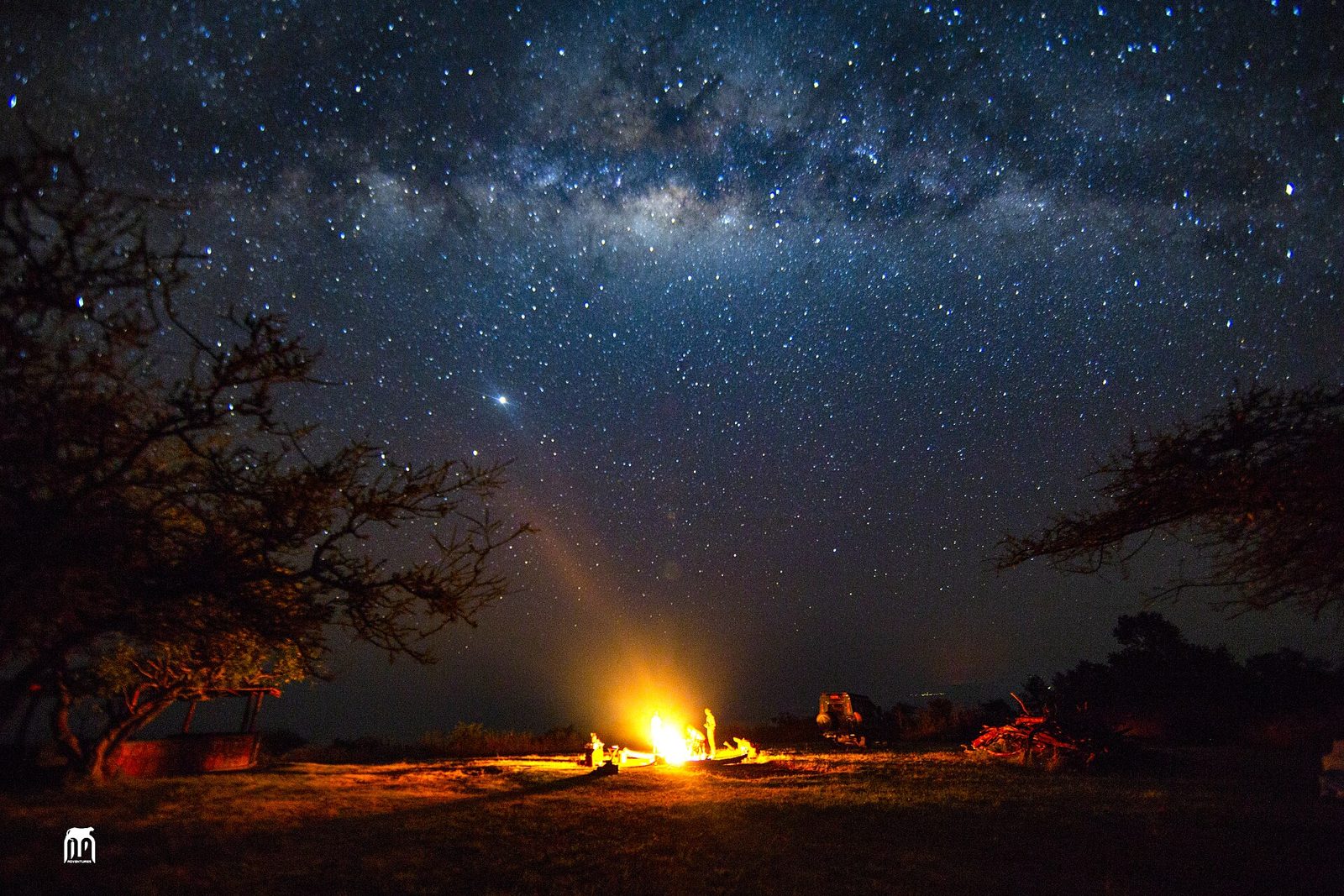
Where to stay · Simple / seasonal
Park interior
A low-key bush camp for travellers who want to sleep inside the park and keep the focus on the landscape. Confirm operating dates, sleeping arrangements and meal inclusions before building your safari around it.
Illustrative stay setting · confirm property photos before booking.
Where to stay · Lean
Official park sites
A budget-conscious way to stay close to the park. Bring a proper sleeping system, arrange food ahead and check facilities at your chosen official site. Confirm access and supplies rather than assuming a campsite has lodge services.
Illustrative stay setting · confirm property photos before booking.
Private transfer
Allow roughly 2.5–3.5 hours from Kigali to the southern entrance, depending on traffic, stops and the final lodge. This is the smoothest choice for a first visit.
Self-drive
Possible for confident drivers, but the park's tracks are not city roads. A high-clearance 4x4 is the sensible choice, especially after rain; download offline maps and carry water.
Public transport
Buses can take you towards Kayonza or the Akagera area, but the final connection to the gate and a full day inside the park still need to be arranged in advance.
Inside the park
A guided 4x4 is the best value for a short stay: the driver knows the tracks, reads signs and can coordinate with other guides without turning the drive into a convoy.
Weather changes the tracks, the light and the density of wildlife around water. There is no bad month, only a different trade-off.
| Months | Wildlife | Roads | Birding | Notes |
|---|---|---|---|---|
| January–February | Good | Generally firm | Good resident birds | Warm, clear mornings and a useful short-dry-season window. |
| March–May | Variable | Wet in places | Excellent migrants | Green landscapes, fewer visitors and more challenging tracks after rain. |
| June–September | Very good | Firmest | Good | The classic safari season. Book camps, guides and boats ahead. |
| October–November | Good | Variable | Excellent migrants | Short rains refresh the park; mornings can still be beautifully clear. |
| December | Good | Usually good | Good | Holiday demand rises. Reserve Christmas and New Year stays early. |
Three days gives you room for a game drive, a boat, and the possibility of a slow morning when the park asks you to wait.
Day 1
Leave Kigali early, stop for supplies, check in near the southern gate and take an afternoon drive towards Lake Ihema. Finish with a sunset boat if timings allow.
Day 2
Start before breakfast for the best light and cooler temperatures. Follow the northern tracks for giraffe, elephant and lion habitat, return for lunch, then choose a slower afternoon drive or night experience.
Day 3
Take a short morning drive or a birding session, then leave for Kigali or continue towards Nyagatare and the eastern circuit. Keep the return day flexible for wildlife delays.
The details that keep an open vehicle day comfortable, observant and respectful.
Binoculars
The best sightings are not always close, especially across open water and grassland.
Sun protection
Hat, sunscreen, sunglasses and a long sleeve make the open vehicle much more comfortable.
Water and snacks
Distances inside the park are longer than the map suggests and shops are limited.
Neutral layers
Mornings can be cool; afternoons are hot; bright colours are distracting around wildlife.
Closed shoes
Dust, thorns and uneven ground make sandals a poor choice away from the lodge.
Rain shell
A short storm can arrive quickly in the wet season and vehicles are open-sided.
Power bank
Long drives and camera batteries are not a good match for limited lodge sockets.
Small soft bag
It is easier to carry in a safari vehicle than a hard suitcase.
Stay in the vehicle unless your guide says otherwise
Wild animals read a person on foot differently. The vehicle is your safe viewing platform.
Give animals the right of way
Switch off the engine when appropriate and never block a route to force a photograph.
Keep voices and music low
Quiet vehicles see more and make the park feel like a habitat rather than a theme park.
Do not feed or approach wildlife
Food and close contact change animal behaviour and put future visitors at risk.
Take rubbish back with you
Plastic and food waste damage wetlands and can be dangerous to animals.
Follow current park instructions
Routes, access, weather restrictions and activity rules change for safety and conservation.
Two nights and three days is the sweet spot for a first visit. It gives you a full game-drive day, time on Lake Ihema and enough flexibility for weather or a slow wildlife morning. One night can work if Akagera is one stop on a tight Rwanda circuit.
Tell us your dates, party size and safari priorities. We will pass your enquiry to a licensed Rwandan operator.
How this guide is verified
Last checked: August 2026. Activity availability, park rules, tariffs and access conditions change; confirm before travelling.