
Getting around Rwanda
Driving side
Right-hand side
City moto ride
About $0.80–$2.50
Kigali → Musanze
Coach ~$4 · about 2h15
Airport → city centre
About $12–$20 · 15–30 min
Best for parks
High-clearance 4x4
Last reviewed
7 September 2026
Prices and timings are indicative. Fares move with fuel, and rain changes journey times more than any timetable does. Treat every figure here as a planning band and confirm on the day.
01 — Moving around Kigali
A city of motorcycles, tap cards and very good manners
Kigali spreads across a handful of ridges, which means almost every trip involves a descent and a climb. Walking looks tempting on a map and rarely feels that way in the afternoon heat. Locals move by moto, and so should you.
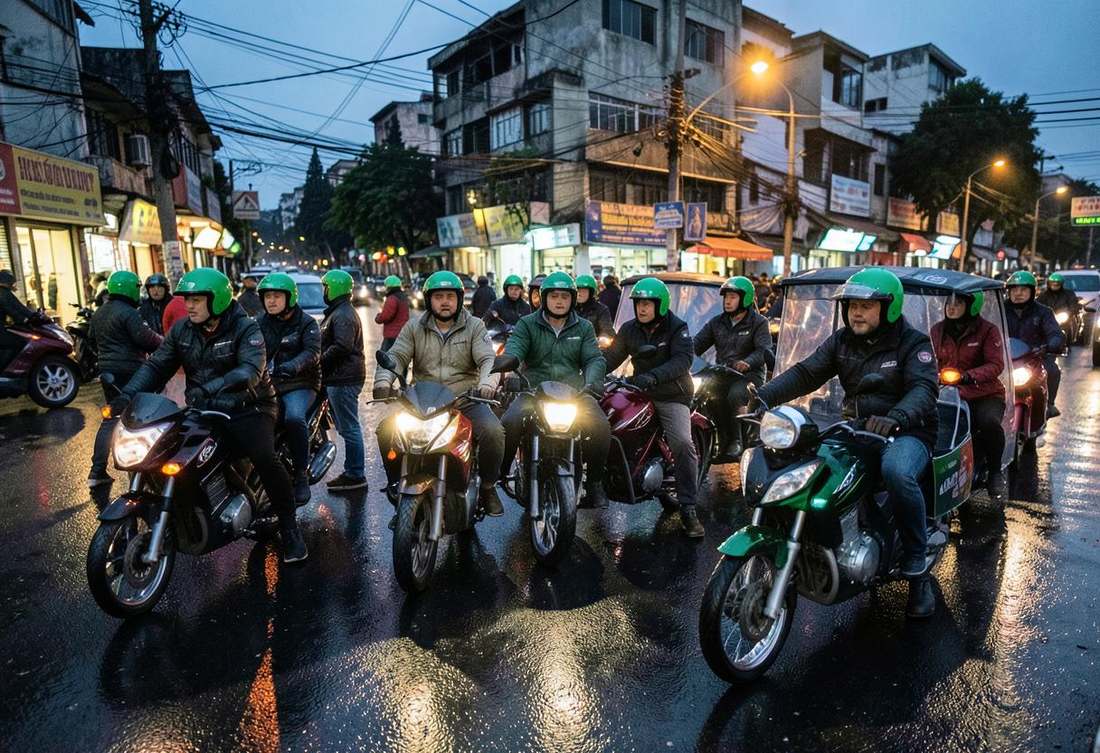
Moto-taxis
Registered riders wait at fixed corners in a numbered vest and carry a spare helmet for you — take it, and expect it to be checked. Short hops cost 500 to 1,500 francs; a long cross-city ride rarely tops 3,000. Use an app if you would rather not haggle, and keep your bag in front of you.
Ride-hailing and taxis
Cars are the sensible choice in rain, after dark, or with luggage. App pricing is transparent; street and hotel taxis are not metered, so agree the fare before you set off rather than after you arrive.
City buses
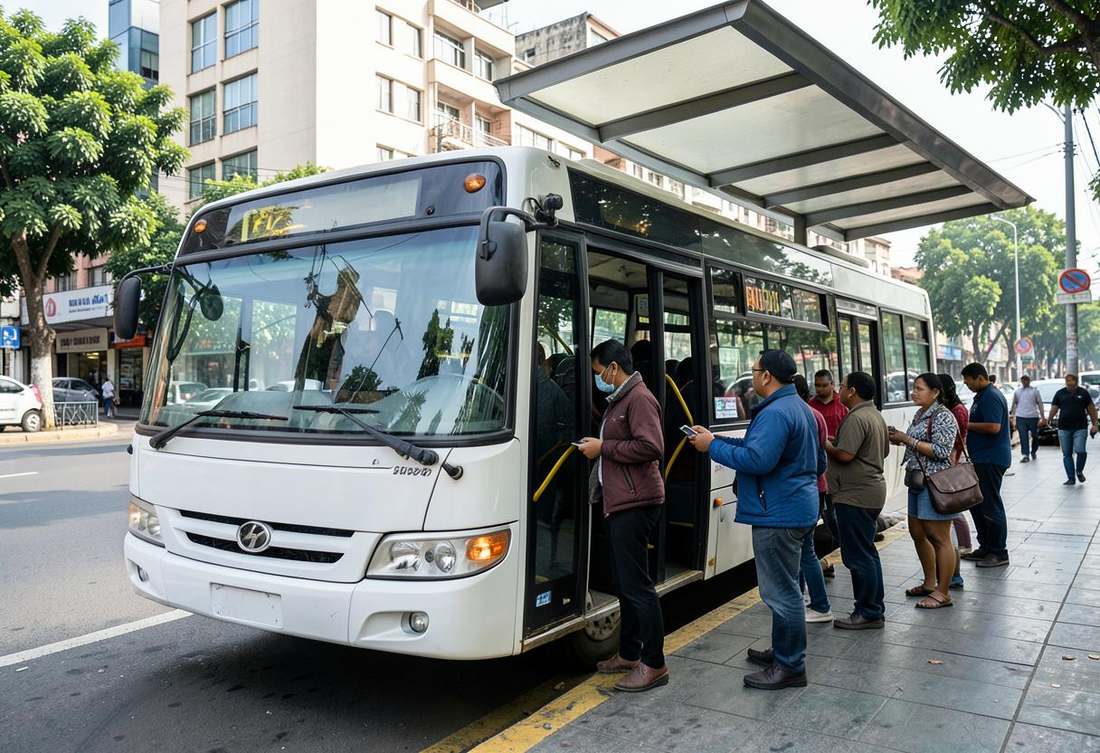
Clean, cheap and fixed-route, paid by tap card bought at kiosks and stations — drivers do not accept cash. Routes are dense but poorly signed for newcomers; ask which number serves your destination and where it terminates.
Walking and evenings
Kigali is one of the calmest capitals in Africa to walk in, day or night, and pavements in the centre are good. The limits are hills, gaps in street lighting on residential roads, and the last Sunday of the month, when Umuganda community work closes traffic until midday.
Planning tool 01
Plan a journey between towns
Pick where you are and where you are heading. You get the real driving time, the coach fare, what a private transfer costs and which one we would actually book.
Distance
106 km
Driving time
2h 15m
Coach fare
$4.0
Private transfer
$110
Road: Tarmac, mountain climbs. The gorilla road. Coaches leave Nyabugogo every 30 minutes from dawn.
We would take: the coach. It is frequent, cheap and comfortable enough for this distance.
02 — Between towns by coach
The cheapest good decision you will make here
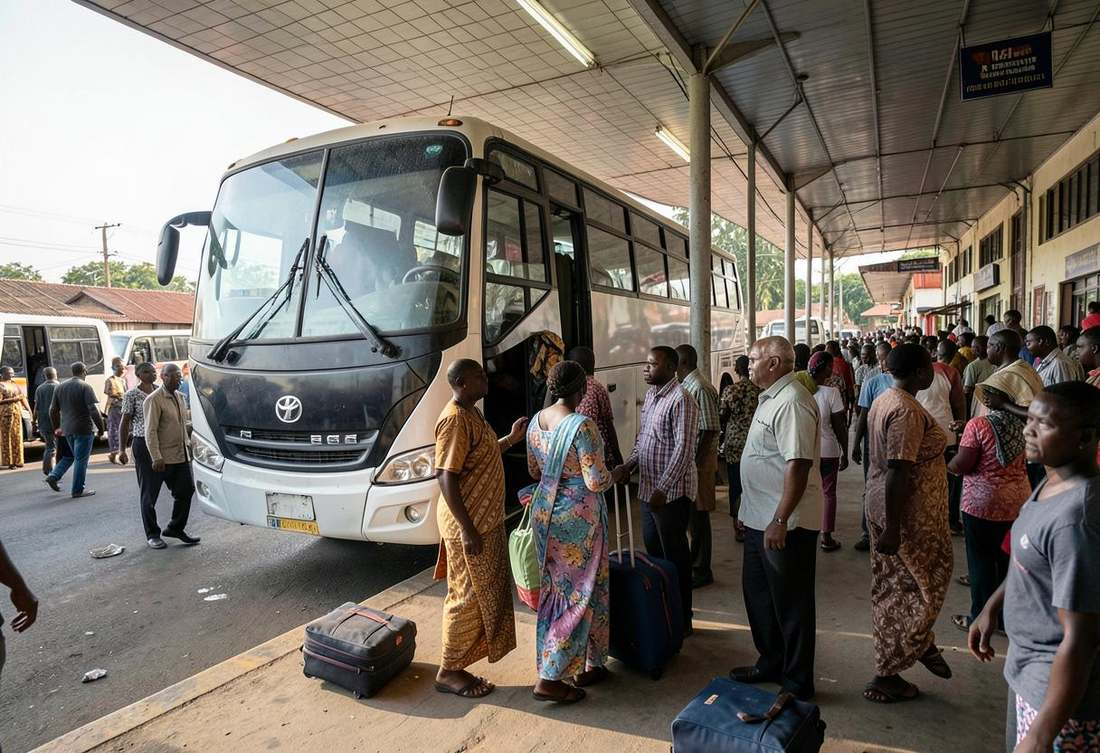
Rwanda's intercity coaches are licensed, speed-limited and startlingly cheap. Kigali to Musanze, the road most visitors need, costs around four dollars and leaves roughly every half hour from Nyabugogo, the capital's main station.
Buses do not leave late here. They leave when the last seat is sold — which is often earlier than the ticket says.
Buy at the operator's window, keep the ticket, and sit in the seat printed on it. Luggage goes in the hold with an attendant; bring anything valuable on board. There is no refreshment service, so carry water for anything over two hours, and expect the aisle to fill with passengers boarding at roadside stops.
The busy corridors are Kigali to Musanze and Rubavu in the north-west, Karongi and Rusizi along Lake Kivu, Huye and Nyanza in the south, and Kayonza and Nyagatare in the east. Cross-border coaches run to Kampala, Bujumbura and Dar es Salaam.
Planning tool 02
What should this ride cost?
Rwanda is cheap to move around, but almost nothing is metered. Knowing the fair band before you open your mouth is the whole game.
Expect to pay
$1.6–2.4
Indicative bands, not quoted prices. Fuel, park entry and driver expenses are separate.
Best for: Short hops across Kigali, beating traffic, one person with a small bag.
Watch out: Agree the price or use an app before you sit down. Insist on the passenger helmet.
03 — Cars, drivers and 4x4s
Hire the vehicle for the days that need it, not the trip
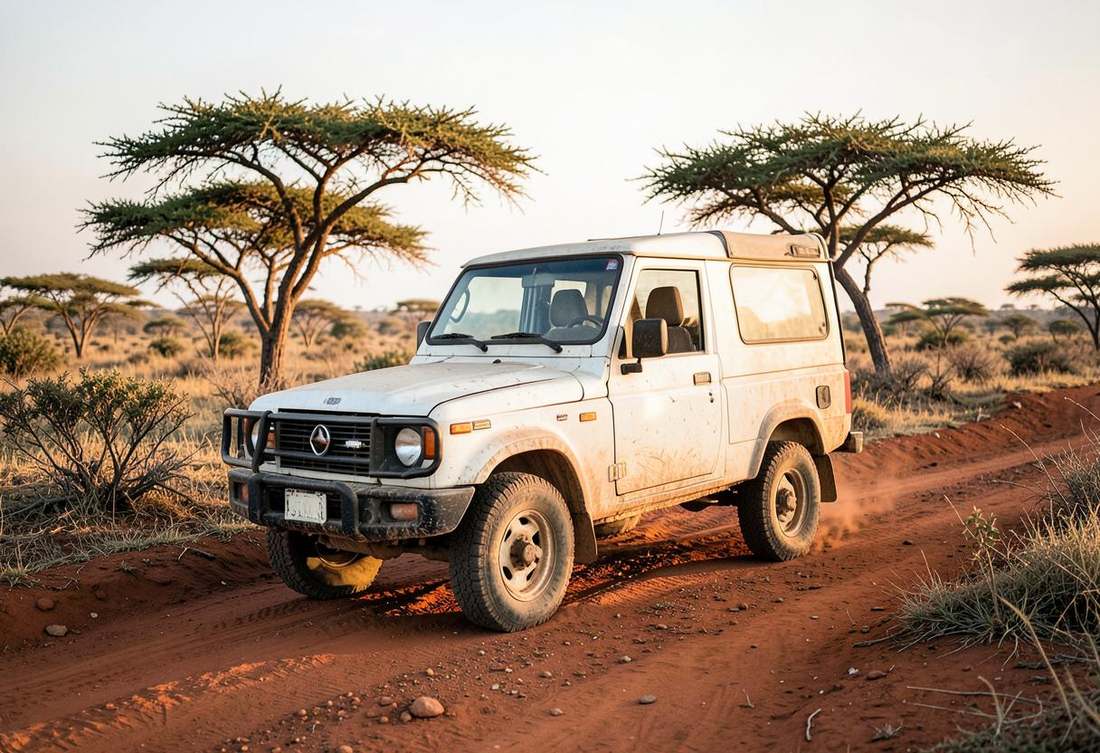
The single most common overspend on a Rwandan itinerary is a 4x4 booked for two weeks and used off tarmac for two days. Every corridor between towns is sealed road; a saloon car manages all of it comfortably.
Car with driver
Roughly $100–$150 a day including the driver, often with fuel extra. Worth every franc on multi-stop days: they know the roads, the police procedure and where to stop for lunch, and you get to look at the hills.
Self-drive
From about $60 a day for a small car, $100 and up for a proper 4x4, plus fuel and insurance. Driving is on the right, roads are well surfaced and signed, and enforcement is strict but predictable.
Papers and police
Carry your national licence, an International Driving Permit, your passport and the vehicle documents. Checkpoints are routine and polite: slow down, greet, hand over the papers. Seatbelts and hands-free are enforced; speed cameras are everywhere.
Fuel and parking
Stations are plentiful on the main corridors and thin in the far west and around the parks — fill up before you leave a big town. In Kigali, guarded parking costs a few hundred francs and saves a great deal of circling.
04 — Roads and journey times
Short distances, long hours
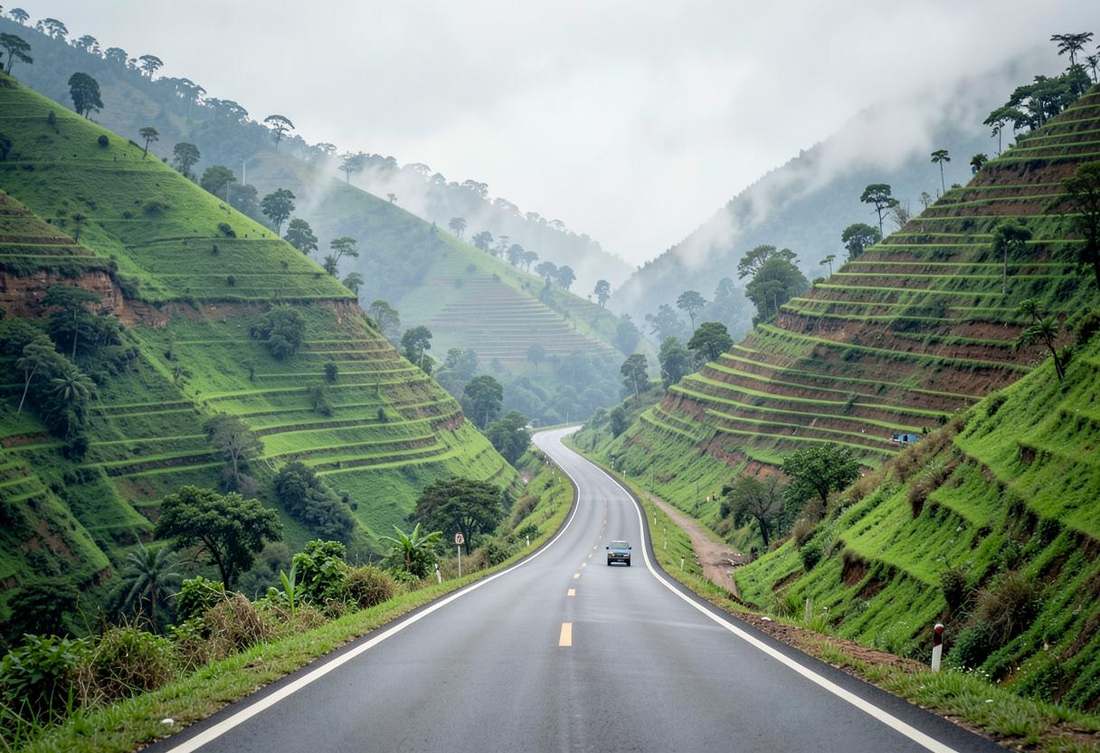
Rwanda is smaller than Belgium and almost entirely vertical. A road that measures 130 km on paper can take four hours if it follows the shoreline of Lake Kivu, and the same distance south to Huye takes two and a half on a fast, straight highway.
Two rainy seasons — roughly March to May and October to December — put mud and occasional landslips on unsealed feeder roads and slow everything in the west. Add a generous margin in those months, especially on park mornings when you cannot be late.
Avoid rural driving after dark. Sunset is close to 18:00 all year, roads are unlit, and they are shared with pedestrians, cyclists carrying improbable loads and livestock. Use the journey planner above to work in daylight arrivals.
Planning tool 03
Work out your transport mix
Most trips need two or three ways of moving, not one. Answer five questions and we'll sketch the combination that fits your party, budget and nerve.
- Coaches for the long legs, ride-hailing in townYou keep the cost of the big distances low and spend on comfort where it actually matters.
- A high-clearance 4x4 for the park daysAkagera's tracks and the Volcanoes trailhead roads need clearance. Hire it for those days rather than the whole trip.
- Do not self-driveSteep switchbacks, night pedestrians and unfamiliar checkpoints make a driver the cheaper mistake to avoid.
- Build in a lake boat legThe Rubavu–Karongi–Rusizi boats are slower than the road but far kinder than the switchbacks.
05 — Air, water and everything else
When the road is not the answer
There is no passenger railway in Rwanda, but two alternatives to the road are worth planning around, and both turn a punishing day into a pleasant one.
Domestic flights
RwandAir links Kigali with Rusizi in the far south-west in about half an hour, against six hours by road. On a short trip that single flight can buy back a whole day. Schedules are limited, so book early and keep a road plan in reserve.
Lake Kivu boats
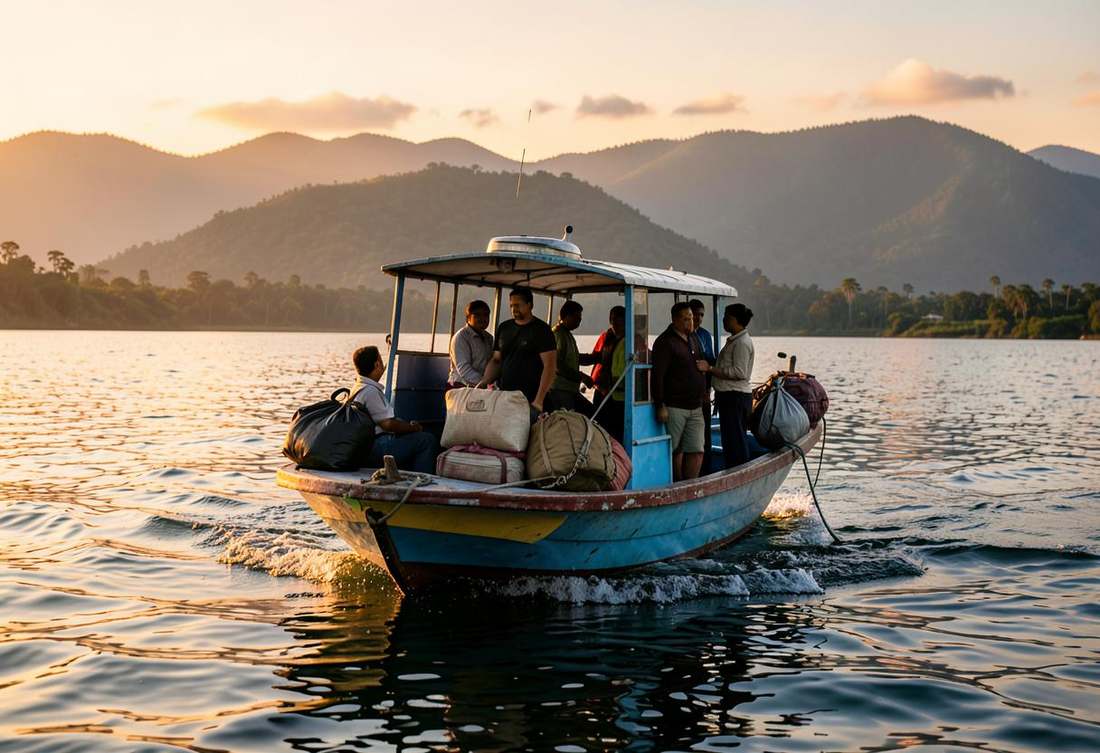
Scheduled and private boats connect Rubavu, Karongi and Rusizi. They are slower than driving but infinitely kinder than the switchbacks, and the lake at dawn is one of the best sights in the country. Private transfers can be chartered where the schedule does not suit.
Bicycles and cross-border routes
The Congo Nile Trail draws cyclists along the lake, and bike hire is easy in Rubavu and Karongi. Overland, coaches run to Uganda, Tanzania and Burundi, and Rubavu has a walk-across border for Goma — check current visa and security advice before committing.
06 — Costs and paying
Cash, mobile money and a card for the hotel
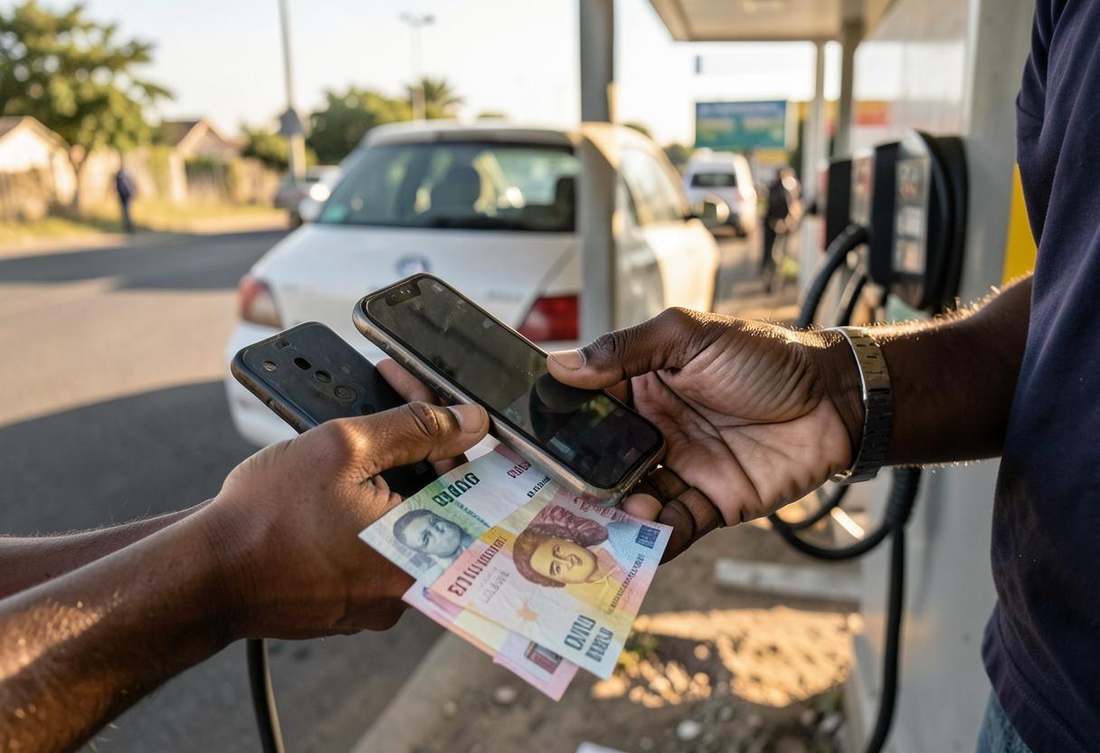
Cards work in hotels, established restaurants and car-hire offices. Almost nothing else in the transport chain takes them. Coach windows, motos, market taxis and rural fuel stops run on Rwandan franc notes and mobile money.
- Carry small notes. A moto rider with no change is a genuine negotiation; 1,000 and 2,000 franc notes solve most days.
- Get a local SIM. Registered at the airport with your passport, it unlocks mobile money and ride-hailing apps for a few dollars.
- Tap cards for city buses. Buy and top up at kiosks and stations; drivers cannot sell you one.
- Tipping. Not expected on motos or coaches. A driver on a multi-day trip is normally tipped $10–$20 a day between the group.
- Bargaining. Normal for motos and unmetered taxis, out of place on coaches, in shops or with app pricing.
Planning tool 04
Build your travel day
Transfer days are where itineraries fall apart. Tell us where you are going and when you need to arrive, and we'll work backwards to the hour you should leave.
Leave at
12:25
Kigali → Musanze, arriving by 16:00.
- 12:25Leave for the bus stationNyabugogo and the regional stations are busy. Buy or collect the ticket, find the bay, and keep valuables in a small bag on your lap.
- 13:25On the roadKigali to Musanze — about 2h 15m over 106 km on tarmac, mountain climbs.
- 14:33Comfort and food stopHighway towns have clean toilets, samosas, brochettes and fruit. Carry small notes — nothing here takes cards.
- 16:00Arrive in MusanzeAgree onward transport before you step off — motos gather at every drop-off point and prices are best settled first.
07 — Families, bags and accessibility
What works when you are not travelling light
Rwandans are unfailingly helpful with luggage, children and anyone who needs a hand, but the infrastructure asks more of you than a European city does.
With children
Motos are not for children. Book a car with a driver and ask specifically for child seats — they exist, but only if requested in advance. Coach journeys over three hours test small passengers; break the west into two legs.
With big bags
Coach holds are modest and sometimes charge for a second large item. A soft duffel travels far better than a hard case, on buses and on park tracks alike.
Limited mobility
Kerbs are high, gradients are severe and coaches have steep steps and no lift. A private vehicle with a driver is the practical answer; tell operators exactly what you need when you book, and expect willing improvisation rather than fixed equipment.
Motion sickness
The lakeside and Musanze roads are a long sequence of bends. Take remedies before you leave, sit forward, and consider the boat between Rubavu and Karongi instead.
08 — Airport transfers, Kigali
Twelve kilometres, and almost no drama
Kigali International sits inside the city at Kanombe, which is the single kindest fact about arriving in Rwanda. Nowhere in town is more than forty minutes away, most flights land in the evening, and the terminal is small enough that you are outside within half an hour of the wheels touching.
The arrivals hall, in order
Immigration first — visas on arrival are issued at the desk, and the queue moves. Then baggage, then customs, and only then the public hall, where a mobile network counter will register a SIM against your passport in about ten minutes and a bank window will change money at a fair, if unexciting, rate. Do both before you leave the building; the SIM is what makes ride-hailing and mobile money work.
Where the cars are
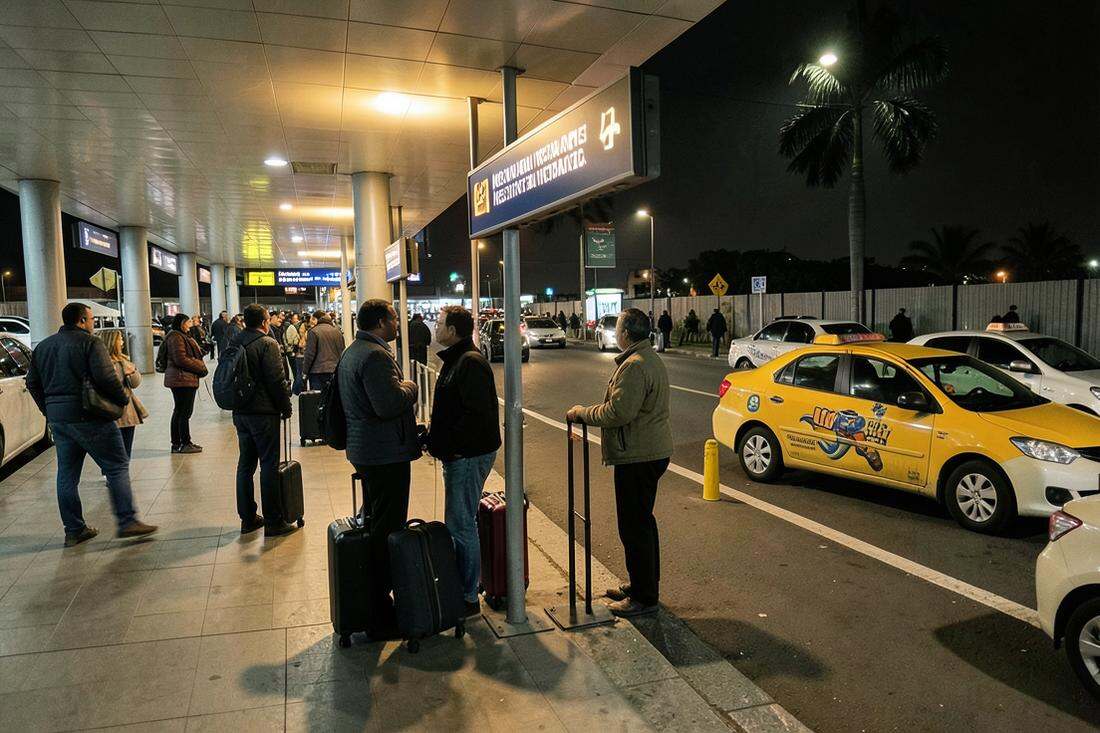
Official taxis queue in a marked rank directly outside the arrivals door and charge a fixed-ish 12,000 to 25,000 francs into town depending on the district. Ride-hailing cars cannot enter the rank; they collect from the short-stay car park, a two-minute walk, and cost roughly half. Hotel shuttles wait with name boards inside the hall, and mid-range hotels upwards will send one for around $15–$25 if you ask when you book.
Late arrivals
The roads are empty after 22:00 and the run into town takes fifteen minutes, but the app queue thins out too. Pre-book, get the plate and the driver's phone number by message, and confirm the price in writing. It is the cheapest peace of mind you will buy on the trip.
Going the other way
Check-in closes an hour before departure and security is quick. Be at the terminal two hours ahead internationally, 75 minutes for the Rusizi flight, and leave the city early if you are travelling through the 07:00–09:00 or 16:30–19:00 crush — that is the only time Kigali traffic genuinely bites.
Planning tool 05
Plan the airport run
Kigali's airport sits inside the city, which makes transfers short and cheap — as long as you know which queue you are looking for and when to leave.
Ride-hailing car
$8.5–13
In daylight, with a small party, the app price is roughly half the rank fare and the car comes to you.
Drive time
30 min
Door to door
30 min
- Clear immigration, collect bags, then buy a SIM and change a little money in the arrivals hall before you step outside — both counters are past customs and open for every scheduled flight.
- Official taxis queue immediately outside arrivals in a marked rank; ride-hailing cars wait in the short-stay car park, a two-minute walk to your right.
- Motos are not sensible with checked luggage, and riders often refuse airport runs with big bags.
09 — The coach board
Who runs what, and from which window
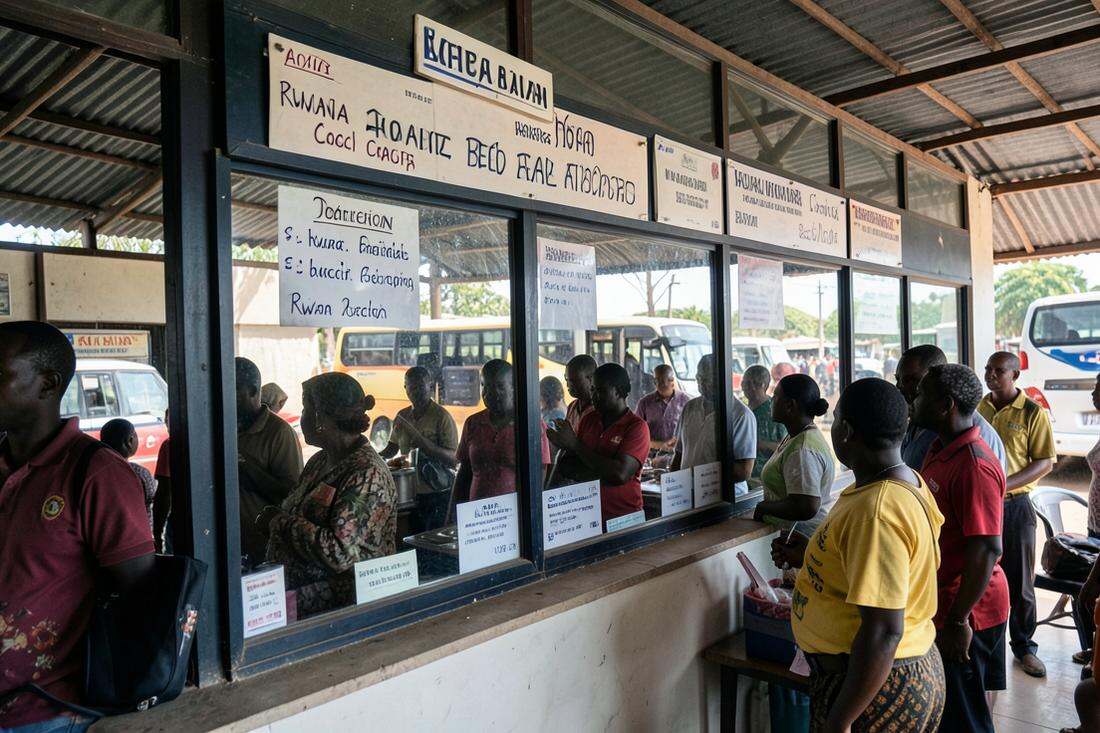
Nyabugogo, on the northern edge of the city centre, is where almost every intercity journey begins. It looks like chaos and is nothing of the sort: each company has its own ticket window with the timetable hand-painted above it, and its own numbered boarding bay in the yard behind.
The operators
Volcano and Virunga Express own the north-west run to Musanze and Rubavu. Ritco, the state operator, runs the biggest coaches on the long southern and western corridors. Horizon is fast and popular to Huye and Rusizi, Capital and the Kivu Belt lines serve Karongi, Trinity and Alpha cover the east and Nyanza, and Jaguar takes you to Kampala.
Buying the ticket
Cash or mobile money at the window, on the day or the evening before. Online sales barely exist. Fridays, Sunday afternoons and the days around public holidays sell out — buy ahead then, and note that a printed seat number is a real allocation, not a suggestion.
Luggage and comfort
One large bag in the hold is normally included; a second may cost a small fee. There are no toilets on board and no refreshment service, but every long route pauses at a highway town. Sit at the front on the lakeside roads, and on the right leaving Kigali for the volcanoes.
Planning tool 06
The departures board
Pick where you are heading and see who runs it, when they go, what it costs and which bay to stand at. Times are the daily pattern, not a contract — coaches leave as soon as the last seat sells.
| Departs | Operator | Boarding | Fare | Journey |
|---|---|---|---|---|
| 05:30 | Volcano ExpressEvery 30 minutes in practice | Nyabugogo, bay 3 | $4.0 | 2h 15mCoaster buses, hold luggage, no toilet. |
| 06:00 | Virunga ExpressHalf-hourly at peak | Nyabugogo, bay 5 | $4.0 | 2h 15mFull-size coaches on the busiest departures. |
| 07:00 | Volcano ExpressEvery 30 minutes in practice | Nyabugogo, bay 3 | $4.0 | 2h 15mCoaster buses, hold luggage, no toilet. |
| 08:00 | Virunga ExpressHalf-hourly at peak | Nyabugogo, bay 5 | $4.0 | 2h 15mFull-size coaches on the busiest departures. |
| 09:00 | Volcano ExpressEvery 30 minutes in practice | Nyabugogo, bay 3 | $4.0 | 2h 15mCoaster buses, hold luggage, no toilet. |
| 10:30 | Virunga ExpressHalf-hourly at peak | Nyabugogo, bay 5 | $4.0 | 2h 15mFull-size coaches on the busiest departures. |
| 11:00 | Volcano ExpressEvery 30 minutes in practice | Nyabugogo, bay 3 | $4.0 | 2h 15mCoaster buses, hold luggage, no toilet. |
| 12:30 | Virunga ExpressHalf-hourly at peak | Nyabugogo, bay 5 | $4.0 | 2h 15mFull-size coaches on the busiest departures. |
| 13:00 | Volcano ExpressEvery 30 minutes in practice | Nyabugogo, bay 3 | $4.0 | 2h 15mCoaster buses, hold luggage, no toilet. |
| 14:30 | Virunga ExpressHalf-hourly at peak | Nyabugogo, bay 5 | $4.0 | 2h 15mFull-size coaches on the busiest departures. |
| 15:00 | Volcano ExpressEvery 30 minutes in practice | Nyabugogo, bay 3 | $4.0 | 2h 15mCoaster buses, hold luggage, no toilet. |
| 16:30 | Virunga ExpressHalf-hourly at peak | Nyabugogo, bay 5 | $4.0 | 2h 15mFull-size coaches on the busiest departures. |
| 17:30 | Volcano ExpressEvery 30 minutes in practice | Nyabugogo, bay 3 | $4.0 | 2h 15mCoaster buses, hold luggage, no toilet. |
Arrive twenty minutes early, buy at the operator's own window, and keep the ticket — the seat number on it is taken seriously.
10 — Self-drive, in detail
One of the easier African countries to drive, with conditions
Roads are sealed, signed and startlingly well maintained, traffic policing is strict and consistent, and nobody drives aggressively. What catches visitors out is not the standard of driving but the geometry: blind mountain bends, pedestrians on unlit verges and a fuel network that thins the moment you leave a corridor.
Licence and paperwork
Your national licence plus an International Driving Permit covers short stays; stay longer and you convert to a Rwandan licence. Most companies require you to be 23 or over with two years' experience. Carry passport, licence, IDP, hire agreement and insurance certificate in the car at all times.
What it costs
About $45 a day for a small saloon, $70 for a compact SUV, $130 and up for a Land Cruiser, plus roughly $12 a day for insurance. The excess is typically $500–$1,000 — ask what it is and whether a waiver is available before you sign.
Fuel
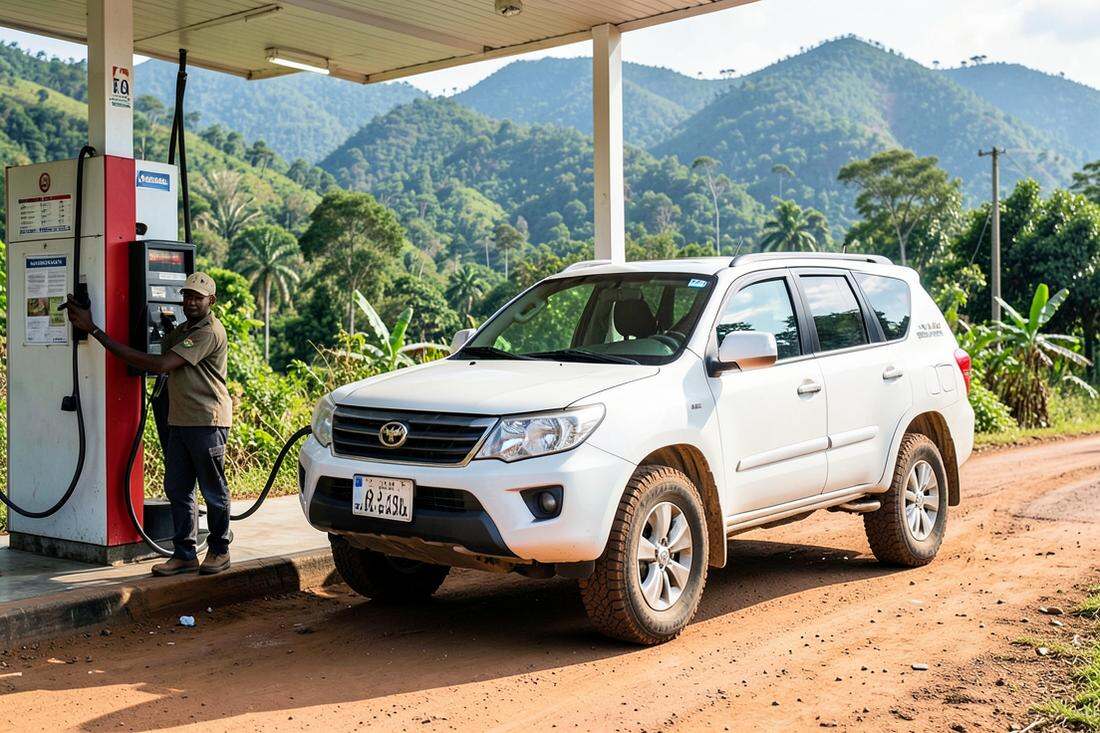
Around 1,700 francs a litre, attendants serve you, and cash or mobile money is safest. Stations line the Kigali corridors and cluster in every district town, then disappear along the Congo Nile road and around the parks. Fill up in the last big town, every time.
Police and speed
Checkpoints are frequent, courteous and quick: slow, greet, hand over the papers. Limits are 40 km/h in towns, 60 on open roads and 80 on some highways, enforced by fixed cameras and handheld radar. Seatbelts front and back, hands-free only, and zero tolerance on alcohol.
Parking
Kigali street parking is managed by uniformed attendants who issue a ticket and collect a few hundred francs an hour. Hotels and malls have guarded lots. Never leave anything visible in the car.
Mountain etiquette
Uphill traffic has priority on narrow bends, trucks crawl and will wave you past when it is safe, and cyclists hold the edge of the lane on descents at remarkable speed. Use the horn as a light announcement, not a complaint — that is how it is read here.
Planning tool 07
What the car really costs
Day rates are the advertised half of the story. Fuel on these hills, insurance and a driver's allowance are the other half — here they all are in one number.
Total for 7 days
$991
Excludes park entry fees, parking and tips.
Vehicle
$490
Driver
$315
Fuel (76 L)
$102
Insurance
$84
The sensible all-rounder: enough clearance for rough lanes, cheap enough to keep for a week. Not suitable for park tracks — hire a 4x4 for those days only.
11 — Crossing the border
Four neighbours, six posts, four sets of rules
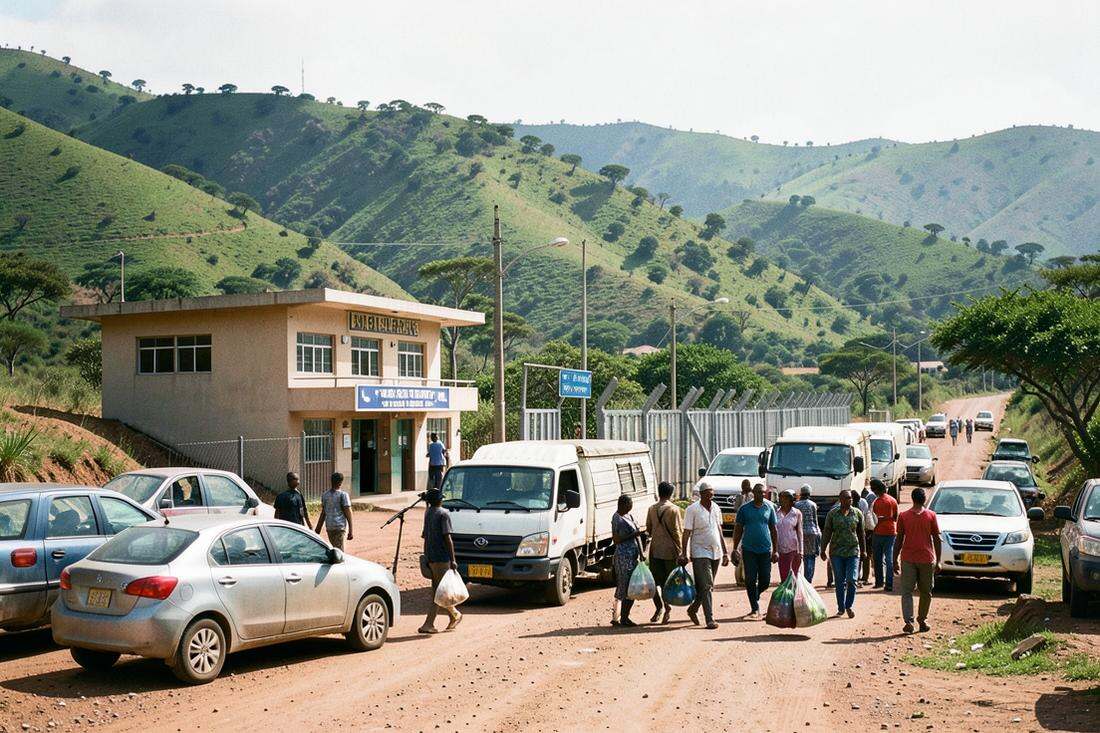
Rwanda is a small country with short borders and, at the main posts, genuinely modern procedure: one-stop halls where both countries stamp you in the same building. The paperwork is straightforward. The variable is the visa regime, which differs at every frontier.
Uganda — Gatuna and Cyanika
Gatuna is the 24-hour main post on fast tarmac from Kigali, and the Kampala coaches run straight through it. Cyanika, north of Musanze, is the quiet shortcut to Kisoro and Bwindi — perfect if you are pairing gorilla treks either side of the border.
Tanzania — Rusumo
Three hours east of Kigali, a one-stop post beside the falls, open around the clock and crossed nightly by the Dar es Salaam coach. Freight queues look alarming and do not concern passengers.
Burundi — Nemba and Ruhwa
Daylight hours only, with daily coaches to Bujumbura. Arrange the visa in advance and read your government's current advice before you commit — most hire companies will not let their cars cross.
DR Congo — Rubavu and Rusizi
You walk across at the Grande and Petite Barrière in Rubavu, minutes from Goma's centre, and again in the south at Rusizi. The formalities are simple; the security position in the eastern Congo is not, and it changes week to week. Check it on the day, and do not treat a walk-across as a casual outing.
Planning tool 08
Check your border crossing
Six land crossings, four neighbours and four different visa regimes. Pick the post you are heading for and see what it wants from you before you get there.
Opening hours
Open 24 hours, one-stop border post
Typical crossing
30–60 minutes on a quiet day; up to two hours behind a full coach
Bring with you
- Passport valid six months
- Uganda visa or East Africa Tourist Visa
- Yellow fever certificate
- Vehicle logbook and COMESA insurance if driving
Through coach: Yes — Jaguar and Trinity run Kigali–Kampala through services and wait for every passenger.
Your own vehicle: Private cars need a temporary import permit and third-party cover bought at the post. Hire companies must give written permission to leave Rwanda.
Money: Change a small amount of Ugandan shillings at the post; rates improve in Kabale.
The busiest and best-organised crossing. The main road from Kigali is fast tarmac the whole way.
The East Africa Tourist Visa costs $100, lasts 90 days and covers Rwanda, Uganda and Kenya on multiple entries. Buy it from the country you enter first, and you can cross to Gatuna or Cyanika without paying again. It does not cover Tanzania, Burundi or DR Congo.
12 — Avoid these
Six mistakes we watch people make
Planning by kilometres
A 130 km lakeside road can take four hours. Read journey times, not distances, and add a margin for market days and rain.
Assuming cards work
Coach offices, motos, market taxis and fuel stops outside cities run on cash and mobile money. Keep small franc notes.
Booking a 4x4 for the whole trip
You need clearance for park tracks and a couple of rural roads. On the tarmac corridors it is money spent on nothing.
Driving after dark in the hills
Pedestrians, cyclists and livestock share unlit roads. Finish rural legs before sunset — it gets dark around 18:00 all year.
Taking a moto with heavy bags
It is uncomfortable, unsafe and often refused. Use a ride-hail car for airport runs and luggage days.
Turning up for a coach at departure time
Buses leave on the minute once seats are sold. Twenty minutes early is normal, not cautious.
13 — Questions
Frequently asked
Is public transport in Rwanda safe for visitors?
Broadly, yes. Coaches are licensed and speed-limited, city buses run fixed routes, and moto riders are registered and required to carry a passenger helmet. The usual precautions apply: keep bags on your lap, avoid unlit rural roads at night, and use metered or app-based cars when you have luggage.
How much does a moto-taxi cost in Kigali?
Short hops are roughly 500–1,500 francs and a long cross-city ride rarely passes 3,000. Ride-hailing apps price motos automatically; if you flag one down, agree the fare before you get on.
Do I need a 4x4 in Rwanda?
Only for national-park tracks, some lakeside and rural feeder roads, and the rainy season in the far west. Every main corridor between towns is sealed tarmac that a normal saloon car handles comfortably.
Can I use my own driving licence?
Visitors normally drive on a valid national licence together with an International Driving Permit for short stays; hire companies also set their own age and experience rules. Confirm with the rental company and carry both documents plus the vehicle papers.
Are there trains in Rwanda?
No. There is no passenger rail network. Regional rail links are under discussion, but for now the country moves by road, with domestic flights between Kigali and the far west.
How do I get from Kigali airport into the city?
The airport is about 12 km from the centre — 15 to 30 minutes. Ride-hailing and airport taxis are both available; agree the fare with a taxi first, and expect roughly 15,000–25,000 francs for a hotel transfer.
Can I cross into Uganda, Tanzania, Burundi or DR Congo by road?
Yes, and cross-border coaches run to Kampala, Bujumbura and Dar es Salaam, with a short walk-across border at Rubavu for Goma. Check the current visa position and the security advice for your destination before booking.
How early should I leave for a flight out of Kigali?
Be at the terminal two hours before an international departure and about 75 minutes before a domestic one. Add the drive — 15 to 40 minutes depending on your district — and half again if you are travelling through the 07:00–09:00 or 16:30–19:00 peaks.
Can I book Rwandan coach tickets online?
Mostly no. A few operators sell through mobile money apps, but the reliable way is still the operator's own window at Nyabugogo or the regional station, on the day or the evening before. Fridays, Sundays and public holidays sell out, so buy ahead then.
What does it cost to hire a car in Rwanda?
Roughly $45 a day for a small saloon, $70 for a compact SUV and $130 and up for a Land Cruiser. Add about $12 a day for insurance, fuel at around $1.35 a litre, and $40–$60 a day if you want a driver, which usually includes their meals and accommodation.
Does the East Africa Tourist Visa cover the borders?
It covers Rwanda, Uganda and Kenya for 90 days on multiple entries, so you can cross at Gatuna or Cyanika without paying again. It does not cover Tanzania, Burundi or DR Congo, each of which needs its own visa.
14 — Source desk
Where we check the details
Fares, licensing rules and flight schedules date faster than anything else on this page. These are the first places our editors look.
Reviewed 7 September 2026
Get a driver or transfer quote
Tell us the route and dates and our trip desk will come back with vetted drivers, transfer prices and the vehicle that actually suits the roads you're taking.